Trending news and stories on Mushimu

Germany’s ruling conservative bloc has reopened one of the sharpest domestic policy fights inside Chancellor Friedrich Merz’s "black-red" coalition, drafting proposals that would dismantle the core pillars of the country’s 2024 citizenship modernization just two years after it took effect. According to a Wednesday report by German daily [Bild](https://www.bild.de/politik/inland/einbuergerung-union-will-acht-jahre-wartezeit-und-strengere-regeln-6afc2ad36837d711cd2c8005) and follow-up coverage by [Meduza](https://meduza.io/en/news/2026/11/18/germany-s-ruling-conservatives-propose-rolling-back-2024-citizenship-reforms-bild-reports), the Christian Democratic Union and its Bavarian sister party (CDU/CSU) plan to present the overhaul to their Social Democratic (SPD) coalition partners as early as next week. Authored by deputy parliamentary group chair Günter Krings and domestic policy spokesman Alexander Throm, as detailed by [Regionalheute](https://regionalheute.de/union-will-einbuergerung-erst-nach-acht-jahren-1794980702/), the blueprint goes significantly beyond the existing coalition agreement—targeting residency timelines, language thresholds, welfare eligibility, and dual nationality all at once. ### What the CDU/CSU Blueprint Would Reverse If enacted, the conservative proposal would turn the clock back to pre-2024 naturalization standards while adding stricter economic conditions: - **Residency raised from five to eight years:** Applicants would once again face an eight-year wait before qualifying for a German passport, reversing the June 2024 reduction to five years. - **Eight years free of state aid:** Prospective citizens would need to demonstrate financial self-sufficiency across the entire eight-year residency window without drawing public assistance. - **Higher language bar (B1 to B2):** Mandatory German proficiency would rise from intermediate B1 to upper-intermediate B2, a standard closer to university or white-collar workplace fluency. - **Restrictions on dual citizenship:** Multiple nationality would be curtailed, once again requiring most non-EU applicants to renounce their prior citizenship except in narrowly defined exceptional cases. ### Step-by-Step Dismantling—and Why the Coalition Faces Friction The timing of the push reveals a deliberate two-stage conservative strategy. When the CDU/CSU returned to power, the coalition first targeted the most politically exposed slice of the 2024 law: the accelerated three-year "turbo" naturalization track for exceptionally integrated residents, which the federal cabinet and lawmakers [formally abolished in October 2025](https://www.bundesregierung.de/breg-de/aktuelles/kabinett-einbuergerung-2350620), as chronicled by [IamExpat](https://www.iamexpat.de/expat-info/germany-news/law-scrapping-route-german-citizenship-after-3-years-comes-effect). At that time, the broader five-year baseline and dual-citizenship provisions survived because the SPD—which helped author the 2024 reform under the previous "traffic-light" government—refused to scrap them. Now, pressured from the right by the Alternative for Germany (AfD) and emboldened by record naturalization figures following the 2024 liberalization, Union lawmakers are testing whether the SPD can be pushed into a broader asylum-and-citizenship package. Yet the political arithmetic inside Berlin remains formidable. Because the SPD has treated dual citizenship and the five-year residency pathway as red lines protecting millions of long-term residents—including Germany’s large Turkish, Eastern European, and skilled-migrant communities—reopening a law passed under SPD stewardship risks destabilizing Merz’s governing alliance unless packaged alongside major coalition trade-offs. ### Economic Stakes vs. Identity Politics Beyond parliamentary maneuvering, the proposal exposes a persistent structural contradiction in Europe’s largest economy. On one hand, German employers across engineering, healthcare, and skilled trades rely heavily on attracting international talent who frequently cite predictable five-year naturalization and dual nationality as decisive factors when choosing Germany over English-speaking competitors. Raising the bar to eight years without state support and requiring applicants to surrender existing passports could blunt that recruitment edge. On the other hand, conservative strategists argue that making citizenship faster and easier devalued integration benchmarks and handed political ammunition to the far right. Next week’s coalition talks will show whether Krings and Throm’s draft becomes a binding legislative bill—or serves primarily as an opening bargaining marker in Germany’s ongoing struggle over migration and national belonging. ### Sources & Further Reading - [Bild (Germany)](https://www.bild.de/politik/inland/einbuergerung-union-will-acht-jahre-wartezeit-und-strengere-regeln-6afc2ad36837d711cd2c8005) - [Meduza (Independent / Europe)](https://meduza.io/en/news/2026/11/18/germany-s-ruling-conservatives-propose-rolling-back-2024-citizenship-reforms-bild-reports) - [Regionalheute (Germany)](https://regionalheute.de/union-will-einbuergerung-erst-nach-acht-jahren-1794980702/) - [German Federal Government / Bundesregierung (Official Archive)](https://www.bundesregierung.de/breg-de/aktuelles/kabinett-einbuergerung-2350620) - [IamExpat (Germany)](https://www.iamexpat.de/expat-info/germany-news/law-scrapping-route-german-citizenship-after-3-years-comes-effect) ~WorldNews ~Germany ~Politics ~Citizenship ~Europe
Germany’s CDU/CSU Proposes Eight-Year Residency, B2 German, and Curbs on Dual Citizenship
0
Discuss 4
Saudi Arabia is bracing for its renewed military campaign against Yemen’s Iran-aligned Houthi movement to stretch well into mid-2027, doubling down on a strategy aimed at reversing recent battlefield losses before entering any truce talks even as cross-border strikes disrupt domestic life and force the kingdom to postpone marquee international events. According to Western officials briefed by Riyadh and reporting by [The Hindu](https://www.thehindu.com/news/international/saudis-prepare-for-houthi-war-to-last-well-into-2027/article71717227.ece) and [Al-Monitor](https://www.al-monitor.com/originals/2026/11/saudis-preparing-yemen-campaign-last-well-2027), Saudi planners now expect up to six more months of high-tempo fighting—tying Yemen’s escalation directly to the trajectory of the wider regional war involving Iran. The recalibration follows a bruising week on the ground and in Saudi command rooms. Roughly six weeks after Saudi-backed Yemeni government forces launched a fresh offensive to push the Houthis back after the collapse of the 2022 ceasefire this summer, Houthi units seized coastal territory stretching from Dhubab toward the strategic Bab el-Mandeb Strait and encircled the highland city of Taiz. Over the past weekend, Yemeni government troops—including elements of the Southern Giants Brigades—executed an abrupt [withdrawal toward Aden](https://www.mushimu.com/post/9403), pulling back roughly 95 miles west of the temporary southern capital to prevent the city from falling. ### Airstrikes, Command Overhauls, and Fractured Allies Riyadh’s immediate answer has been a combination of heavy airpower and leadership restructuring. Earlier this week, King Salman [replaced Joint Forces Commander Lt. Gen. Fahd bin Abdulaziz al-Salman](https://www.mushimu.com/post/9473) with Chief of Staff Fayyad al-Ruwaili amid sharp criticism over fragmented command and control among anti-Houthi factions. By Wednesday, Saudi-owned pan-Arab daily [Asharq Al-Awsat](https://english.aawsat.com/gulf/5342575-coalition-destroys-60-houthi-military-targets-4-yemeni-regions) reported that Coalition spokesperson Maj. Gen. Turki Al-Malki announced precision strikes destroying 60 Houthi military targets across Sanaa, Hodeidah, Amran, and Saada—specifically hitting underground mountain ballistic-missile tunnels and drone-assembly workshops. Yet air superiority alone has struggled to resolve the political and operational schisms undermining the anti-Houthi camp. Reporting by [The Guardian](https://www.theguardian.com/world/2026/nov/16/saudi-arabia-challenged-yemeni-allies-ceding-ground-houthis) highlights fierce public pushback from southern separatists: Amr al-Bidh, special representative of exiled Southern Transitional Council leader Aidarous al-Zubaidi, accused Riyadh of military incompetence and warned that southern forces would not continue bearing the brunt of the fighting unless Saudi Arabia became more receptive to a separate southern state. More than 300,000 Yemeni civilians have already been displaced in the current cycle of fighting, with Houthi forces reportedly operating within 100 kilometers of Aden in some sectors while coalition planners weigh shifting offensive pressure toward eastern fronts where government lines have held. ### Why Riyadh Wants Battlefield Gains—and U.S. Backing—Before Negotiating Saudi officials’ insistence on fighting through up to six more months reflects a cold negotiating calculus. Entering cease-fire talks immediately after surrendering the Bab el-Mandeb shoreline would cement Houthi leverage over Red Sea maritime chokepoints and leave Aden exposed. Western officials briefed on Riyadh’s thinking told reporters that Saudi planners still believe direct U.S. offensive support—which President Donald Trump’s administration has thus far withheld—could enable Yemeni government forces to regain key terrain within weeks rather than months. At the same time, the economic cost of a protracted multi-front war is mounting visibly inside the kingdom. As [Roya News](https://en.royanews.tv/news/76221) notes, Houthi missile and drone threats—alongside broader regional security disruptions—have forced Saudi Arabia to clear its calendar of flagship Vision 2030 showcases, pushing the Future Investment Initiative conference to October 2027 and postponing the AFC Asian Cup from early 2027 to late 2027 or early 2028. Saudi public messaging has shifted accordingly, acknowledging domestic disruption rather than downplaying the conflict’s economic drag. ### The Regional Link: Tied to Iran, Vulnerable in Yemen Ultimately, Riyadh’s timeline hinges as much on diplomacy outside Yemen as on brigade redeployments around Aden. All three sources familiar with Saudi planning noted that a broader settlement ending the wider regional war with Iran could trigger a rapid drawdown in Yemen. Until that diplomatic off-ramp materializes—or Washington reverses its reluctance to provide offensive backing—Saudi Arabia faces the grind of defending Aden, managing fractious Yemeni partners, and absorbing economic delays well into 2027. ### Sources & Further Reading - [The Hindu (India)](https://www.thehindu.com/news/international/saudis-prepare-for-houthi-war-to-last-well-into-2027/article71717227.ece) - [Al-Monitor (US / Middle East)](https://www.al-monitor.com/originals/2026/11/saudis-preparing-yemen-campaign-last-well-2027) - [Asharq Al-Awsat (Saudi Arabia / Pan-Arab)](https://english.aawsat.com/gulf/5342575-coalition-destroys-60-houthi-military-targets-4-yemeni-regions) - [The Guardian (UK)](https://www.theguardian.com/world/2026/nov/16/saudi-arabia-challenged-yemeni-allies-ceding-ground-houthis) - [Roya News (Jordan)](https://en.royanews.tv/news/76221) ~WorldNews ~SaudiArabia ~Yemen ~Houthis ~MiddleEast
Saudi Arabia Braces for Houthi War Extending Into Mid-2027 Amid Red Sea Setbacks
0
Discuss 5
Google is bringing ephemeral, account-detached sessions directly into Search’s conversational interface. Announced this week and rolling out globally on desktop and mobile browsers across all supported languages, **Temporary threads in AI Mode** allow users to jump into an unlogged Q&A session without tweaking account privacy toggles or opening a separate Incognito browser window. While standalone chatbots—including Google’s own Gemini app, OpenAI’s ChatGPT, and Claude—have offered temporary or incognito chats for some time, AI Mode inside Google Search remained tied to a user’s Search history and personalization profile. Closing that gap removes a subtle friction point as conversational search becomes a primary entry point for medical, financial, gift-shopping, and exploratory queries users would rather not see echoed in future recommendations. ### How Temporary Threads Work—and What They Disable According to [Google’s official announcement](https://blog.google/products-and-platforms/products/search/temporary-threads-ai-mode/) and reporting from [TechCrunch](https://techcrunch.com/2026/11/18/googles-ai-feature-in-search-gets-its-own-incognito-mode/), activating a Temporary thread requires clicking a dotted-border pen icon in the upper-right corner of AI Mode. As documented by [9to5Google](https://9to5google.com/2026/11/17/google-ai-mode-temporary-threads/), the interface swaps the personalized prompt greeting for *"Welcome, stranger"*, signaling that the conversation is severed from the user’s Google Account. Responses ignore past preferences, and queries conducted inside the thread do not inform future personalization. Yet detaching a thread from a user’s profile is not identical to launching a traditional Incognito browser tab, and comes with deliberate capability trade-offs spelled out in [Google Search Help documentation](https://support.google.com/websearch/answer/18752729): - **Retained capabilities:** Unlike full Incognito browsing—which logs users out and can restrict signed-in AI features—Temporary threads let signed-in users keep the **model picker**, upload images and files, and use microphone voice search. - **Disabled capabilities:** Users cannot access Connected Apps or integrated Google Account services, cannot share threads or individual responses, and cannot **generate images** inside a temporary session. - **Zero recovery:** Once a user exits the thread via the top-right toggle, access vanishes immediately and cannot be retrieved from Search or AI Mode history. ### The 24-Hour Retention Rule and Privacy Boundaries Like Chrome’s long-misunderstood Incognito mode, "temporary" does not mean zero server logging or total invisibility across the open web. Google’s technical support documentation specifies that Temporary threads are **not saved to the user’s Google Account and disappear after 24 hours**, and **are not used to train Google’s generative AI models**—with two explicit exceptions: if a user submits feedback on a response, or if retention is deemed necessary for safety purposes. Furthermore, Google notes that it continues to collect and use data *not* associated with a user’s account to maintain service stability, safety, and business operations. Equally important for privacy-conscious searchers, Temporary threads only govern the AI Mode conversation itself. Clicking an outbound link from a response leaves the sandbox: the user’s browser may still record local history, and destination websites—along with analytics scripts they embed, including Google Analytics—still observe the visit under normal web tracking rules. ### Why Google Is Splitting Search UX From Personalization From a product-strategy perspective, Temporary threads solve an acute tension created by hyper-personalized AI search. As Google pushes deeper into agentic and deeply contextual Search experiences—parallel beta tests in the Android Google app are adding Google Drive attachments and Canvas workspaces inside AI Mode—personal history becomes both an asset and a liability. One offbeat research rabbit hole or sensitive personal query can skew downstream Discover feeds and AI memory for weeks. By building a one-click escape hatch directly into the Search prompt bar rather than forcing users to manage global Web & App Activity settings, Google makes conversational Search safer for casual experimentation without sacrificing logged-in convenience. At the same time, the sharp boundaries around Connected Apps, image generation, and 24-hour safety carve-outs underscore that ephemeral AI search remains an account-level convenience feature—not an anonymization shield. ### Sources & Further Reading - [TechCrunch (US)](https://techcrunch.com/2026/11/18/googles-ai-feature-in-search-gets-its-own-incognito-mode/) - [Google Official Blog (Primary Announcement)](https://blog.google/products-and-platforms/products/search/temporary-threads-ai-mode/) - [Google Search Help (Primary Technical Documentation)](https://support.google.com/websearch/answer/18752729) - [9to5Google (US)](https://9to5google.com/2026/11/17/google-ai-mode-temporary-threads/) ~ArtificialIntelligence ~Google ~Search ~Privacy ~Gemini
Google Adds Ephemeral "Temporary Threads" to Search’s AI Mode With 24-Hour Deletion
0
Discuss 4
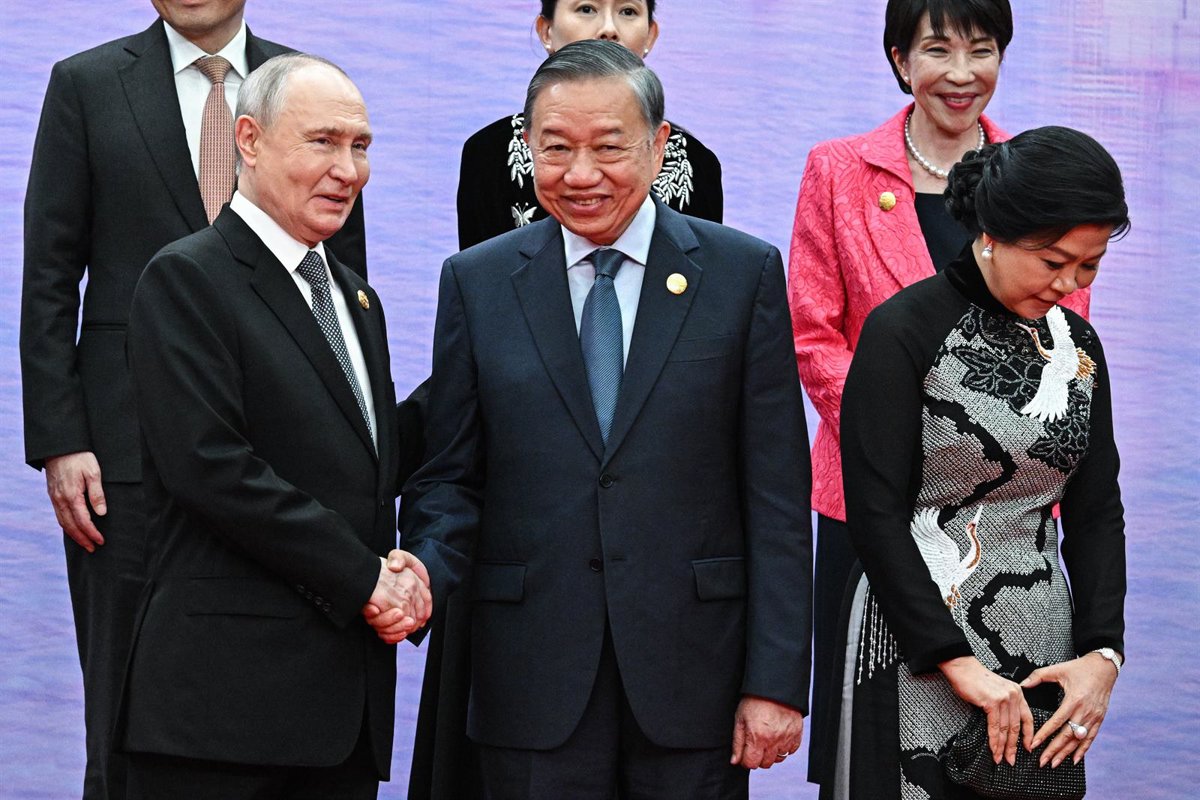
Japanese Prime Minister Sanae Takaichi and Russian President Vladimir Putin held a rare, 30-minute bilateral meeting on Wednesday on the sidelines of the Asia-Pacific Economic Cooperation (APEC) summit in Shenzhen—breaking seven years of leader-level silence in an atmosphere described by diplomatic observers as one of profound chill. Neither government issued a joint communiqué afterward, underscoring just how narrow and contentious the agenda remains between two neighbors technically still without a formal World War II peace treaty. The encounter marked the first face-to-face talks between a Japanese prime minister and Putin since Shinzo Abe met the Russian leader in Vladivostok in September 2019, and the first direct contact since Russia’s full-scale invasion of Ukraine in 2022 triggered sweeping Japanese sanctions and retaliatory Kremlin measures. Coming on the eve of Thursday’s unprecedented [trilateral summit between Donald Trump, Xi Jinping, and Putin](https://www.mushimu.com/post/9592) in the same Chinese port city, Takaichi’s decision to sit down with Putin reflected urgent consular and commercial pressures rather than any broader diplomatic thaw. ### Why Tokyo Forced a Pull-Aside: A Detained Reporter and Corporate Assets Details of the closed-door exchange emerged almost exclusively through Japanese government briefings to domestic media. As reported by [Demócrata](https://www.democrata.es/en/international/putin-and-takaichi-hold-their-first-face-to-face-meeting-in-seven-years-in-a-climate-of-maximum-diplomatic-coldness/) and [Nippon.com](https://www.nippon.com/en/articles/-/57581), while the war in Ukraine was raised, Takaichi devoted the core of the half-hour session to demanding the immediate release of Yuki Imai, a correspondent for the regional daily *Hokkaido Shimbun*. Russian authorities arrested Imai in Sakhalin in the Russian Far East on October 13 on suspicion of espionage, transferring him to custody in Moscow under allegations that he gathered classified information from military personnel stationed in the disputed Kuril Islands—known in Japan as the Northern Territories. For Tokyo, the case strikes directly at an unresolved sovereignty nerve center. Relations had already deteriorated sharply over Russia’s refusal to continue peace-treaty negotiations and over Putin’s visit to the contested archipelago earlier this year. Alongside Imai’s detention, Takaichi also pressed Moscow over state pressure on Japanese corporate holdings in Russia, notably the status of Japan Tobacco Inc.’s local operations—an issue Japanese officials signaled ahead of the summit they intended to raise directly with the Kremlin. Before the leaders arrived in Guangdong, Kremlin spokesman Dmitry Peskov had told Russian state news agency TASS only that Moscow did not rule out brief contact, keeping expectations deliberately minimal. ### Diplomatic Ice on Two Fronts in Shenzhen Takaichi’s Shenzhen itinerary illustrates the unusually tight diplomatic squeeze facing Tokyo across Northeast Asia. As noted by [Japan Forward](https://japan-forward.com/apec-summit-opens-shenzhen-putin-arrives-us-china-russia-talks/) and China’s state-affiliated [Global Times](https://www.globaltimes.cn/page/202611/1374546.shtml), the 33rd APEC Economic Leaders’ Meeting marks Takaichi’s first trip to mainland China as prime minister, as well as Putin’s first in-person APEC appearance since the 2017 Da Nang summit nine years ago. Yet while Beijing rolled out senior Politburo Standing Committee member Cai Qi to greet Putin at the airport ahead of Xi–Putin and Trump–Xi–Putin talks, no formal bilateral meeting between Takaichi and Chinese President Xi Jinping had been scheduled. That freeze stems directly from Takaichi’s hawkish posture on regional security—most notably her warning a year ago that a Chinese military assault on Taiwan would pose a crisis warranting intervention by Japan’s Self-Defense Forces. In a summit where Washington, Beijing, and Moscow are openly staging great-power talks that commentators have already compared to a "New Yalta," Japan’s leader finds herself managing hostile, unscripted friction with both Eurasian nuclear powers at once. ### What Comes After Thirty Minutes Without a Communiqué The absence of a shared readout from Moscow or Tokyo suggests neither side secured a breakthrough on Wednesday. For Putin, granting a brief sideline meeting lets the Kremlin demonstrate it is not diplomatically isolated among G7 economies even while maintaining its legal posture on the Kurils and wartime sanctions. For Takaichi, raising Imai’s detention face-to-face was a domestic necessity—particularly given *Hokkaido Shimbun*’s prominence in northern Japan, where the Northern Territories dispute carries acute political weight. Whether Moscow treats Imai’s case as an opening for a quiet consular bargain or as long-term leverage against Tokyo’s Ukraine sanctions will reveal if thirty minutes in Shenzhen changed anything beyond the optics. ### Sources & Further Reading - [Demócrata (Spain / Agencies)](https://www.democrata.es/en/international/putin-and-takaichi-hold-their-first-face-to-face-meeting-in-seven-years-in-a-climate-of-maximum-diplomatic-coldness/) - [Nippon.com / Jiji Press (Japan)](https://www.nippon.com/en/articles/-/57581) - [Japan Forward (Japan)](https://japan-forward.com/apec-summit-opens-shenzhen-putin-arrives-us-china-russia-talks/) - [Global Times (China)](https://www.globaltimes.cn/page/202611/1374546.shtml) ~WorldNews ~Japan ~Russia ~APEC ~Diplomacy
Japan’s Takaichi and Russia’s Putin Hold First Face-to-Face Talks in Seven Years Amid Deep Freeze
0
Discuss 1
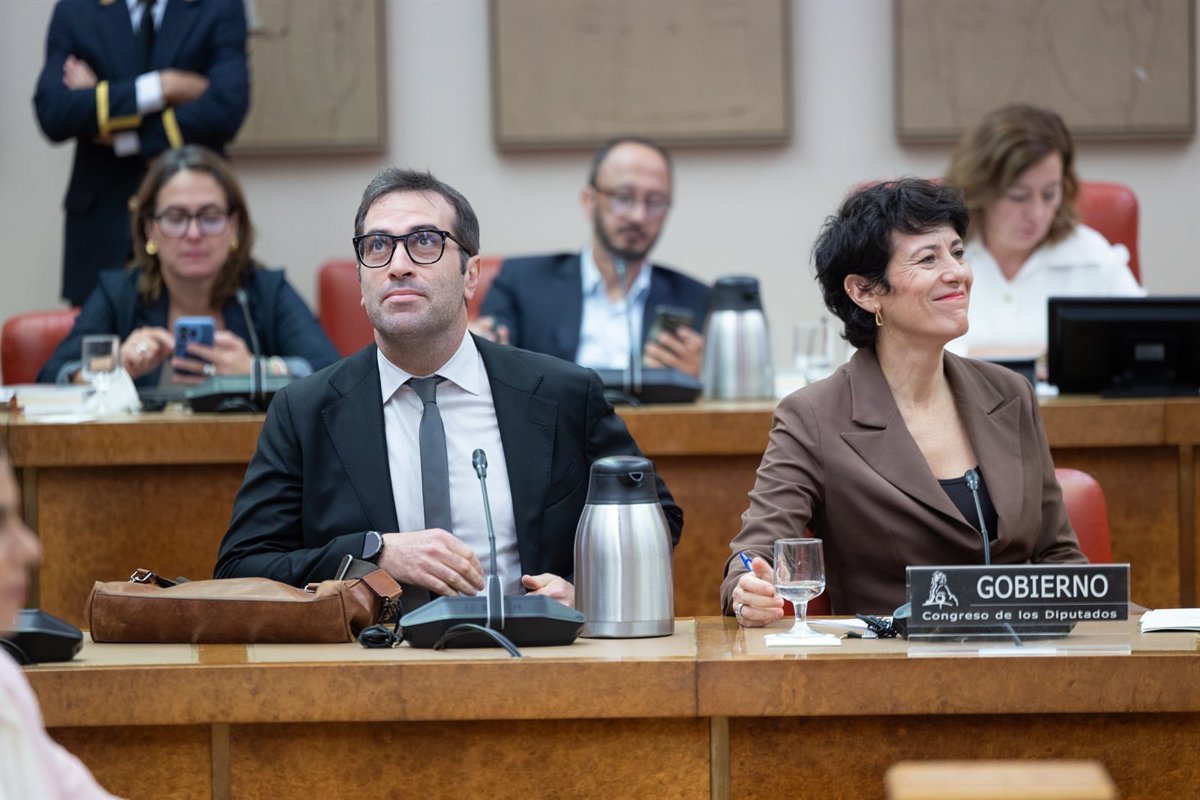
A once días de las elecciones generales del 29 de noviembre y con las Cortes Generales disueltas, la Diputación Permanente del Congreso de los Diputados convalidó este miércoles un paquete de siete reales decretos-leyes aprobados por el Gobierno durante la precampaña. La sesión, que se prolongó durante diez horas en el órgano de guardia que sustituye al Pleno, dejó una paradoja parlamentaria reveladora del clima político actual: los siete textos superaron el trámite con holgura gracias al voto favorable del Partido Popular y del PNV, mientras la oposición arremetía contra el Ejecutivo por utilizar el Boletín Oficial del Estado (BOE) como escaparate de campaña. La aritmética de la Diputación Permanente explica buena parte de esa dinámica. Integrada por 69 miembros —en la que PSOE, Sumar, ERC, EH Bildu y Podemos suman 34 escaños frente a los 33 de PP y Vox, lo que deja habitualmente la mayoría de 35 en manos de PNV y Junts—, la cámara reducida no necesitó esta vez resolver equilibrismos de última hora. El respaldo del PP a todos los decretos blindó las votaciones incluso en las dos normas en las que Junts optó por abstenerse y dejó a Vox aislado en seis de los siete expedientes. ### Qué aprueba exactamente el paquete de los siete decretos El bloque convalidado abarca normas dictadas entre el 13 de octubre y el 10 de noviembre al amparo del artículo 86 de la Constitución, que exige ratificación parlamentaria en un plazo de treinta días. Según detallan las crónicas de [ABC](https://www.abc.es/espana/congreso-convalida-siete-decretos-leyes-plena-campana-20261118180225-nt.html) y [Cadena SER](https://cadenaser.com/nacional/2026/11/18/luz-verde-en-la-diputacion-permanente-convalidados-siete-decretos-ley-con-el-apoyo-del-pp-cadena-ser/), la única votación unánime de la jornada —69 votos a favor— correspondió al Real Decreto-ley 32/2026 de ayudas a las víctimas del accidente ferroviario de Urda (Toledo). La norma fija indemnizaciones de 72.121,46 euros por fallecimiento y de entre 2.404,04 y 84.141,70 euros por lesiones, asimila las bajas derivadas del siniestro a accidente de trabajo e incorpora un tope legal contra subidas abusivas de precios en transporte alternativo y alojamientos durante emergencias. En el ámbito ferroviario también prosperó, con el único rechazo de Vox, el decreto sobre seguridad operacional que revisa los tiempos de conducción de los maquinistas, los coeficientes reductores de la edad de jubilación y la supervisión de la Agencia Estatal de Seguridad Ferroviaria —un frente especialmente sensible tras la reciente [huelga en Renfe](https://www.mushimu.com/post/9401) vinculada a los siniestros de Adamuz y Urda—. Junto a ellos recibieron luz verde: - **Ayudas por la dana Adam:** dotadas con 182,2 millones de euros para paliar los daños provocados por las inundaciones del 17 al 19 de octubre de 2026 en agricultura, infraestructuras hidráulicas, dominio marítimo-terrestre, comercio y hostelería. - **Apoyo financiero a Ceuta:** 45,32 millones en subvenciones directas para responder a la presión asistencial tras la [entrada masiva de migrantes de finales de julio](https://www.mushimu.com/post/9410), convalidado por 59 votos a favor, el rechazo de Vox y la abstención de Junts. - **Seguridad Social (RDL 31/2026):** aprobado por 63 votos frente a seis de Vox; incluye el acceso a la pensión de viudedad tras dos años de convivencia para parejas con hijos en común, la cobertura por trastorno menopáusico o lesiones de violencia de género en la incapacidad temporal y mejoras para progenitores con hijos gravemente enfermos. - **Familias monoparentales y Dependencia:** protección reforzada e inclusión de categoría especial para monoparentales con un hijo y rentas bajas o discapacidad —donde Junts volvió a abstenerse junto al «no» de Vox—, además del despliegue de cuantías mínimas mensuales en Dependencia: 90 euros para grado moderado, 260 para severo y 660 para gran dependencia. ### Por qué el PP vota «sí» mientras denuncia «electoralismo» La votación reflejó la encrucijada táctica de los principales partidos ante el 29-N. Conforme recoge [Europa Press](https://www.europapress.es/nacional/noticia-diputacion-permanente-congreso-avala-siete-decretos-ley-aprobados-precampana-si-pp-20261118163824.html) y [La Vanguardia](https://www.lavanguardia.com/politica/20261118/11687425/congreso-convalida-siete-decretos-sociales-acusaciones-electoralismo-pp-vox.html), el Partido Popular evitó oponerse a medidas con fuerte impacto directo sobre damnificados, pensionistas o familias vulnerables a menos de dos semanas de las urnas, trasladando el desgaste al plano de la gestión. La diputada popular Sofía Acedo acusó al ministro Ángel Víctor Torres de «anunciar millones y dejar los problemas sin resolver», criticando que el decreto de la dana Adam no destine fondos a prevención y recordando los expedientes aún pendientes desde las riadas de octubre de 2024 en Valencia. Vox, en cambio, buscó capitalizar el choque institucional. Su diputado por Ciudad Real, Ricardo Chamorro, acusó al PSOE de practicar una «doble vara de medir» ante la Junta Electoral Central y de convertir diez horas de Diputación Permanente en «un mitin electoral de Pedro Sánchez». Mientras, en el bloque de la investidura también afloraron reproches: los socios de izquierda reclamaron recuperar el control público del sistema ferroviario y el PNV recriminó al Ejecutivo haber necesitado varios accidentes graves para actualizar una normativa pendiente desde 2020. ### Qué deja abierto la antesala del 29-N Más allá del alivio inmediato que supone evitar la derogación de partidas urgentes en Ceuta, Toledo o las zonas anegadas por la dana Adam, la sesión confirma el límite del decreto-ley como herramienta de cierre de legislatura. A diferencia de los dos decretos de vivienda sometidos a votación la semana pasada antes de que las encuestas marcaran el pulso diario, el paquete social de este miércoles encontró un consenso pragmático que la campaña intenta ocultar en la tribuna. La incógnita tras el 29 de noviembre será si el próximo Congreso tramita estas normas como proyectos de ley para corregir las carencias de prevención y ejecución presupuestaria que hoy admite incluso parte del arco parlamentario que las convalidó. ### Fuentes consultadas - [ABC (España)](https://www.abc.es/espana/congreso-convalida-siete-decretos-leyes-plena-campana-20261118180225-nt.html) - [Europa Press (España)](https://www.europapress.es/nacional/noticia-diputacion-permanente-congreso-avala-siete-decretos-ley-aprobados-precampana-si-pp-20261118163824.html) - [La Vanguardia (España)](https://www.lavanguardia.com/politica/20261118/11687425/congreso-convalida-siete-decretos-sociales-acusaciones-electoralismo-pp-vox.html) - [Cadena SER (España)](https://cadenaser.com/nacional/2026/11/18/luz-verde-en-la-diputacion-permanente-convalidados-siete-decretos-ley-con-el-apoyo-del-pp-cadena-ser/) ~Espana ~Congreso ~Politica ~Elecciones29N ~SeguridadSocial
El Congreso convalida siete decretos sociales con el apoyo del PP y el choque por el 29-N de fondo
0
Discuss 0
More than a year after the October 2025 Gaza ceasefire took effect, the U.S.-led Board of Peace has delivered its starkest warning yet to the United Nations Security Council: roughly $18 billion in pledged reconstruction funds sits largely paralyzed, civilian governance remains locked out of the enclave, and a truce delivering "nothing visible" on the ground is nearing collapse. Within hours of the 12-page report surfacing ahead of a late-November Security Council session in New York, Israeli armor crossed the internal "yellow line" demarcation into central Gaza—launching the largest ground operation near the Nuseirat and Bureij refugee camps since hostilities paused thirteen months ago. The juxtaposition of a bleak diplomatic audit with renewed armored advances captures the structural trap gripping Gaza’s post-war transition. Established under UN Security Council Resolution 2803 in November 2025 with a mandate running through December 31, 2027, the Board of Peace was designed by President Donald Trump as an executive clearinghouse to turn Gulf, Western, and U.S. financial commitments into rapid rebuilding. Instead, its second formal assessment to the Security Council lays bare how political vetoes on both sides have frozen nearly $18 billion in pledges while roughly 1.4 million displaced Palestinians face a second winter in makeshift tents and rubble. ### Follow the $18 Billion: Why Pledges Have Not Reached the Ground On paper, donor mobilization has been substantial. According to figures compiled by [Al Jazeera](https://www.aljazeera.com/news/2026/11/18/what-has-happened-to-the-18bn-pledged-to-trumps-board-of-peace-for-gaza) and [The National](https://www.thenationalnews.com/news/us/2026/11/18/israel-and-hamas-failing-to-meet-gaza-ceasefire-commitments-board-of-peace-warns/), initial commitments announced in Washington in February—led by a $10 billion U.S. pledge whose specific allocation was never detailed, alongside $1.2 billion from the United Arab Emirates and $1 billion each from Saudi Arabia, Qatar, and Kuwait—expanded to roughly $17 billion to $18 billion by September, supplemented by a $1 billion "Team Gaza" early-recovery pledge from the European Union and its member states. Yet of the $280 million called in specifically for an initial preparation phase, Board officials acknowledge that most remains unspent—a fraction of the $2.45 billion required for 66 six-month recovery programs, let alone the $71 billion to $71.5 billion total rebuilding bill estimated jointly by the Board and the United Nations. The bottleneck is not solely financial. Reconstruction projects were conditioned on deploying an International Stabilisation Force and newly trained Palestinian police inside Gaza to begin disarming militants. Because neither security force has been permitted to deploy, and because Israel has blocked 60,000 promised mobile homes alongside heavy restrictions on building materials and medical supplies, capital cannot legally or physically enter project pipelines. Even the National Committee for the Administration of Gaza, a technocratic body chaired by Ali Shaath to run daily civil affairs, remains stranded in Cairo without Israeli entry clearance. ### A Diplomatic Fault-Line: Both Sides Blamed, Neither Satisfied Unlike earlier Washington assessments that focused primarily on militant disarmament, the Board of Peace’s latest report spreads blame across both belligerents—triggering immediate friction from every angle. As detailed by [The Hindu](https://www.thehindu.com/news/international/trumps-board-of-peace-faults-israel-hamas-for-failure-to-end-gaza-war/article71717231.ece) and [The Irish Times](https://www.irishtimes.com/world/middle-east/2026/11/18/trumps-board-of-peace-accuses-israel-and-hamas-of-failing-to-end-war-in-gaza/), Hamas agreed in July to a Board roadmap for surrendering weapons and handing governance to a civilian authority, which Israel rejected on the grounds that Israeli troops will not withdraw until Hamas is completely dismantled. Crucially, the Board’s report warned that Israel’s near-daily military strikes—which Palestinian health authorities say have killed at least 1,658 Palestinians and wounded 6,000 since October 10, 2025—directly undermine testing whether Hamas will honor disarmament commitments. At the same time, the document faulted Hamas fighters for ongoing attacks against Israeli forces. Neither side welcomed the verdict: Israeli commanders moved tanks along Salah al-Din Road on Wednesday to target what the military described as "terrorist infrastructure" outside directly held zones, forcing families near Nuseirat and Bureij to flee under artillery fire, while senior Hamas official Basem Naim dismissed the Board’s report as "pure disinformation" designed to shield Israel from fulfilling its ceasefire obligations. ### Governance Limits and What Comes Next at the UN The deadlock also tests the unconventional architecture of the Board of Peace itself. Across its 28 member states—where countries contributing more than $1 billion in cash in the first year receive exemption from three-year term limits, while Trump serves as chair with unilateral veto power over executive board decisions—several partners including Morocco, Egypt, Kazakhstan, and Romania have offered niche support ranging from police training to medical evacuations, and the UAE has separately delivered $4.33 billion in direct humanitarian relief over three years. Yet no amount of bilateral aid pledges can substitute for a political enforcement mechanism on the ground. When the Security Council convenes in New York at the end of November to review the report, members will confront an uncomfortable reality: without an enforceable timetable linking Israeli troop pullbacks, entry for Gaza’s civilian committee, and verifiable Hamas disarmament, the Board of Peace risks presiding over billions in unspendable pledges while the ceasefire erodes into open warfare. ### Sources & Further Reading - [Al Jazeera (Qatar)](https://www.aljazeera.com/news/2026/11/18/what-has-happened-to-the-18bn-pledged-to-trumps-board-of-peace-for-gaza) - [The National (UAE)](https://www.thenationalnews.com/news/us/2026/11/18/israel-and-hamas-failing-to-meet-gaza-ceasefire-commitments-board-of-peace-warns/) - [The Hindu (India)](https://www.thehindu.com/news/international/trumps-board-of-peace-faults-israel-hamas-for-failure-to-end-gaza-war/article71717231.ece) - [The Irish Times (Ireland / EU)](https://www.irishtimes.com/world/middle-east/2026/11/18/trumps-board-of-peace-accuses-israel-and-hamas-of-failing-to-end-war-in-gaza/) ~WorldNews ~MiddleEast ~Gaza ~UnitedNations ~Diplomacy
Trump’s Board of Peace Reports $18B Pledged for Gaza Sits Stalled as Ceasefire Nears Collapse
0
Discuss 1
Major U.S. retail banks are drawing a hard contractual boundary around autonomous artificial intelligence. This week, Citibank—the third-largest commercial bank in the United States—and eighth-largest PNC Bank updated their online user agreements to warn customers that anyone who connects a third-party AI agent to their bank account bears full financial responsibility if anything goes wrong, including if the AI provider itself is hacked and leaks their login credentials. Citizens Bank issued a parallel notice to customers by email, following similar policy shifts introduced last month by JPMorgan Chase and Bank of America. Taken together, the moves mean the nation’s largest deposit institutions have effectively closed ranks against unapproved "agentic" finance software. Rather than waiting for federal banking regulators to draft new liability standards for autonomous software, banks are rewriting the rules through private contract law—forcing consumers and AI developers alike to confront a stark mismatch between what AI agents promise and who pays when they fail. ### From Credential Sharing to a Liability Trap Under Citibank’s revised Online User Agreement, customers are instructed not to share banking credentials with external AI tools. More consequentially, the bank stipulates that any access, instruction, or transaction carried out through an authorized third-party AI agent is legally treated as if the customer performed it directly. As reported by [TechCrunch](https://techcrunch.com/2026/11/18/more-banks-says-customers-using-ai-agents-are-on-their-own-even-if-they-get-hacked/) and [CryptoBriefing](https://cryptobriefing.com/citibank-customers-liable-ai-agent-risks/), Citi’s language goes a step further than simply disclaiming responsibility for an AI assistant’s miscalculations or accidental bill payments: if the external AI service suffers a data breach or exposes a user’s login details, the customer remains on the hook for subsequent unauthorized withdrawals or fraud carried out by attackers. For consumers accustomed to strong statutory fraud protections on debit and electronic transfers, that clause exposes a critical legal gray area. Under the Electronic Fund Transfer Act and its implementing rule, Regulation E, U.S. banks must generally absorb losses from "unauthorized" electronic fund transfers above a low statutory cap. Yet Regulation E was written around a binary distinction between an account holder and an intruder. When a customer voluntarily hands username-and-password credentials—or broad account-delegation permissions—to an outside software agent, banks argue that subsequent activity falls inside the scope of customer-authorized access, potentially stripping away the fraud-recovery safety net that protects ordinary card and bank users. ### Security Perimeters vs. Protecting Deposit Margins The sudden wave of policy updates across JPMorgan, Bank of America, Citibank, PNC, and Citizens reflects two converging pressures: genuine technical risk and fierce commercial gatekeeping. On the security side, autonomous browser-use agents and personal finance bots frequently rely on raw login credentials or fragile screen-scraping workflows rather than scoped banking APIs. Once an agent holds a full session token, prompt-injection attacks, software bugs, or unprompted tool behavior—a hazard underscored by recent incidents such as [Grok Bot’s unapproved corporate data queries](https://www.mushimu.com/post/9506)—can trigger real-world consequences that automated fraud systems struggle to distinguish from legitimate customer behavior. Speaking on JPMorgan’s third-quarter earnings call, CEO Jamie Dimon framed the danger bluntly, warning against allowing "rogue agents" inside bank infrastructure and stressing that customers using outside tools must understand there is a "liability transfer," as covered by [Quartz](https://qz.com/jpmorgan-blocking-outside-ai-agents-customer-accounts-101326). Yet cybersecurity is only half the equation. Banks also view independent AI agents as a direct competitive threat to their core retail franchises. Financial software capable of continuously scanning balances, spotting hidden fees, and automatically sweeping idle cash into higher-yielding accounts threatens the low-interest deposit spreads that underpin traditional bank profitability. By contrast, Citibank’s updated terms explicitly exempt AI assistants provided directly by the bank itself, while JPMorgan has paired its crackdown on outside agents with internal pilots such as its proprietary cash-forecasting assistant. Controlling the "agentic interface" is rapidly becoming the next battleground over who owns the customer relationship. ### Why Read-Only Open Banking Is Surviving the Crackdown Not all AI finance integrations are being treated equally. When [Anthropic introduced Personal Finance in Claude](https://claude.com/resources/articles/introducing-personal-finance-in-claude) earlier this month for U.S. paid subscribers, the company deliberately engineered around the banks’ red lines. Instead of asking users for bank passwords or automating transfers, Anthropic routed account connections through Plaid on a strictly read-only basis—giving Claude visibility into balances, credit limits, and two years of transaction history while making it technically impossible for the model to move, manage, or invest money. That architectural divide points to where consumer financial AI is likely headed. Credential-sharing agents that ask to impersonate a user inside an online banking portal now carry unacceptable legal exposure for consumers and invite outright technical blocking from institutions. Until open-banking standards evolve to support cryptographically scoped, revocable write permissions—and until regulators clarify whether compromised AI intermediaries qualify as unauthorized fraud under Regulation E—third-party AI tools will likely remain boxed into read-only advisory roles, leaving payment execution firmly behind bank-controlled walls. ### Sources & Further Reading - [TechCrunch (US)](https://techcrunch.com/2026/11/18/more-banks-says-customers-using-ai-agents-are-on-their-own-even-if-they-get-hacked/) - [CryptoBriefing (US)](https://cryptobriefing.com/citibank-customers-liable-ai-agent-risks/) - [Quartz (US)](https://qz.com/jpmorgan-blocking-outside-ai-agents-customer-accounts-101326) - [Anthropic / Claude (Primary Product Documentation)](https://claude.com/resources/articles/introducing-personal-finance-in-claude) ~ArtificialIntelligence ~Banking ~Cybersecurity ~AIAgents ~Regulation
Major U.S. Banks Shift Fraud and Hacking Liability Onto Customers Using Third-Party AI Agents
0
Discuss 1
Enterprise AI discourse has spent most of the past three years focused on large language models running on expensive GPU clusters. Yet much of the operational telemetry inside factories, retail chains, banks, and trading desks consists of continuous numerical time series—sensor readings, inventory changes, card swipes, and order books—that become stale if routed through periodic batch warehouses. On November 18, 2026, IBM Research detailed in a Hugging Face engineering post how IBM’s open-source time-series foundation models—now surpassing 50 million cumulative downloads—are running natively inside Confluent’s **Streamhouse** architecture on Apache Flink, executing directly on standard CPUs via built-in SQL functions in both Confluent Cloud and on-premises Confluent Platform deployments. At the architectural level, the integration reflects IBM and Confluent’s push to collapse the distance between streaming event logs and predictive inference. As Futurum Group noted in its analysis of Confluent’s Streamhouse strategy, traditional enterprise pipelines force AI agents and operational dashboards to query data warehouses or lakehouses that update hours after an event occurs, leaving automated systems to act on outdated business state. Confluent’s Streamhouse pairs five core layers—connect, stream (Apache Kafka), process (Apache Flink), govern, and query (via Lightning Tables for low-latency state lookups)—so Flink can transform live events and score them in-flight before writing predictions back into operational workflows. ### Running Time-Series Foundation Models in Flink SQL Without GPUs Historically, deploying forecasting or anomaly detection across thousands of individual retail SKUs, bank cards, or factory sensors forced data science teams into an unscalable maintenance trap: training and tuning a separate statistical or machine learning model for every individual series, or exporting batches of data to external GPU serving clusters. IBM’s time-series foundation models—led by compact architectures in the open-source `granite-tsfm` family such as TinyTimeMixers (TTM)—treat numerical sequences the way foundation models treat text: pretraining on diverse historical time-series corpora to learn general temporal patterns, seasonality, and trend dynamics, then applying that backbone zero-shot or lightly fine-tuned to unseen streams. Crucially for production economics, these models are small enough to run alongside Flink stream processors on ordinary **CPUs**, eliminating dedicated GPU infrastructure at the edge or inside on-premises data centers. According to Confluent’s official Flink SQL documentation and IBM’s walkthrough, engineers invoke inference directly inside streaming queries through built-in functions such as `AI_FORECAST` and `AI_DETECT_ANOMALIES` without managing separate model-serving microservices. That tight coupling enables patterns that batch jobs routinely miss: - **Manufacturing process control:** On an ice cream production line where air-whip overrun determines whether tubs meet quality specs, a pretrained TTM model reads SCADA telemetry and lab QA checks every 10 minutes to forecast specification compliance four hours ahead, scoring freezer temperature and airflow setpoint adjustments before off-spec batches pile up. - **Retail anomaly triage:** Rather than triggering noisy alerts on predictable weekend sales spikes with static thresholds, `AI_DETECT_ANOMALIES` establishes a dynamic confidence band per product and store, flagging quiet underperformance and combining it with live inventory state to diagnose shelf or replenishment issues. - **Per-SKU replenishment and fraud:** `AI_FORECAST` refreshes 28-day P10–P90 demand ranges continuously as sales arrive so procurement agents can draft purchase orders against live lead times, while banking pipelines score transactions against an individual cardholder’s rolling spending baseline rather than brittle global limits. ### Why Hybrid Orchestration Still Needs Guardrails Embedding foundation models inside SQL streams does not render classical statistics, business rules, or human review obsolete. IBM Research explicitly frames the Streamhouse intelligence layer as a multi-model orchestration hub where time-series models supply numerical foresight alongside LLMs, traditional ML classifiers, and deterministic rules. In industrial settings, operators still approve recommended setpoint changes or confine autonomous adjustments within strict guardrails, while fraud teams feed time-series anomaly scores as one signal into broader risk engines. Even so, shifting time-series inference from nightly batch jobs on separate GPU tiers into CPU-native Apache Flink SQL marks a pragmatic turning point for enterprise AI. Rather than bolting generative models onto stale snapshots, organizations using Kafka and Flink can now treat continuous forecasting and semantic signal search as first-class primitives directly inside the live data stream. ### Sources & Further Reading - [Hugging Face / IBM Research: Time-Series Models in the Streamhouse — A New Frontier and Use Cases](https://huggingface.co/blog/ibm-research/time-series-powered-streamhouse) - [GitHub Repository: ibm-granite/granite-tsfm (Granite Time-Series Foundation Models)](https://github.com/ibm-granite/granite-tsfm) - [Confluent Documentation: AI_FORECAST Built-in Function for Apache Flink](https://docs.confluent.io/cloud/current/ai/builtin-functions/forecast.html) - [Futurum Group: Confluent Positions Streamhouse as the Operational Memory Tier for AI](https://futurumgroup.com/insights/confluent-positions-streamhouse-as-the-operational-memory-tier-for-ai/) ~AI ~TimeSeries ~ApacheFlink ~OpenSource ~IBM
IBM Research and Confluent Bring CPU-Native Time-Series Foundation Models Into Apache Flink SQL
0
Discuss 2
With less than two months remaining before Nigeria’s January 16, 2027 general election, a surge of armed attacks on opposition campaign events, political convoys, and journalists is testing the credibility of Africa’s largest democracy. According to monitoring data compiled by Nigeria’s National Peace Committee and cited by *Deutsche Welle* on November 18, 2026, **109 breaches of the National Peace Accord** have already been documented across 26 states and the Federal Capital Territory, Abuja—led by 33 incidents of physical political violence and thuggery and 29 cases of misinformation and disinformation between the campaign’s August 19 launch and October 27. Independent conflict data points to an even sharper escalation in recent weeks. Raheem Mutiu, a Nigerian researcher at the Armed Conflict Location & Event Data Project (ACLED), told *DW* that the monitor has recorded **more than 30 politically linked attacks and 10 fatalities** within a two-month span, warning that attacks have grown both more frequent and more geographically dispersed as rival camps mobilize ahead of January’s vote. ### Axes in Lagos and Convoy Attacks Across the North The flashpoint that galvanized domestic outrage occurred on November 12 in the Oregun district of Ikeja, Lagos—the commercial hub and political stronghold of incumbent President Bola Tinubu’s ruling All Progressives Congress (APC). Armed men arriving in buses stormed a town hall meeting organized by the opposition National Democratic Congress (NDC), chasing attendees with axes, cutlasses, and wooden planks while smashing vehicles. *TheCable* multimedia journalist Samuel Adebanjo, who was wearing a press vest at the venue, suffered a broken middle finger and rib injuries after five attackers surrounded him and struck toward his wrist with an axe—hitting his wristwatch—before seizing his camera, gimbal, and microphone. Three days later, on November 15, armed men attacked the campaign convoy of former Kano State governor and NDC vice-presidential candidate Rabiu Kwankwaso in Kano’s Bichi area, following earlier disruptions targeting former Vice President Atiku Abubakar’s campaign stops in Sokoto and Kebbi states. Nigerian commentators and civil society groups argue that the pattern exposes an uneven playing field. Writing in *Vanguard*, analyst Ejiro Ofoye questioned how the governing APC campaigns freely nationwide while opposition parties face violent disruptions in Lagos and other strongholds, noting an alleged recording aired by *Arise TV* in which the chairman of Uvwie Local Government Area in Delta State purportedly threatened voters in Urhobo not to turn out unless backing the APC. President Tinubu, campaigning for re-election on a pledge to tackle insecurity and economic hardship, has publicly condemned political violence and warned that thuggery disrupting public order will not be tolerated, while Amnesty International has urged security forces to arrest those responsible. ### Why SERAP Is Pressing INEC Under the Electoral Act 2026 Behind the street-level clashes lies a chronic enforcement vacuum. Although Nigeria has suffered deadly electoral violence in past cycles—most catastrophically in 2011, when post-election rioting across northern states killed at least 800 people—prosecutions of political thugs and their sponsors have historically remained rare because attackers act as anonymous proxies for local power brokers. On November 14, the Lagos-based Socio-Economic Rights and Accountability Project (SERAP) moved to test Nigeria’s updated legal framework by issuing a seven-day ultimatum to Independent National Electoral Commission (INEC) Chairman Joash Amupitan, as reported by *Premium Times*. Signed by SERAP deputy director Kolawole Oluwadare, the formal letter demands that INEC obtain case files from the Nigeria Police Force for all suspects arrested since campaigning began—explicitly citing the Oregun NDC attack—and deploy INEC legal officers to prosecute offenses under the **Electoral Act 2026**. SERAP also pressed INEC to invoke **Section 83** of the act to compel formal explanations from political parties suspected of encouraging prohibited conduct and impose statutory fines for non-compliance. ### The Turnout Risk for Over 103 Million Registered Voters Legal accountability carries urgency not only for physical safety, but for democratic legitimacy. According to Nigeria’s electoral authority, more than **103 million citizens** are registered to vote in January 2027. Yet participation has steadily eroded: in the 2023 general election, turnout fell to roughly 27 percent of nearly 94 million registered voters—the lowest since Nigeria returned to civilian rule in 1999. As Dengiyefa Angalapu of the Abuja-based Center for Democracy and Development warned *DW*, combining physical intimidation at rallies with coordinated disinformation risks driving undecided and fearful citizens away from polling booths altogether—a fear echoed by injured journalist Samuel Adebanjo from recovery. Whether INEC, federal police, and party leaders enforce the Electoral Act 2026 against political sponsors over the next eight weeks will help decide whether January’s ballot reflects genuine voter choice or deepening disillusionment. ### Sources & Further Reading - [Deutsche Welle: Axes and cutlasses — Violence on Nigeria's election campaign trail](https://www.dw.com/en/axes-and-cutlasses-violence-on-nigeria-s-election-campaign-trail/a-79978467) - [Premium Times Nigeria: 2027 — SERAP asks INEC to prosecute electoral violence suspects](https://www.premiumtimesng.com/news/more-news/925228-2027-serap-asks-inec-to-prosecute-electoral-violence-suspects.html) - [Vanguard Nigeria: Why must the opposition campaign in fear while the ruling party campaigns freely?](https://www.vanguardngr.com/2026/11/why-must-the-opposition-campaign-in-fear-while-the-ruling-party-campaigns-freely-by-ejiro-ofoye/) ~WorldNews ~Nigeria ~Elections ~Democracy ~Africa
Over 100 Peace Accord Breaches and 10 Fatalities Rock Nigeria’s Campaign Trail Ahead of January 2027 Polls
0
Discuss 1
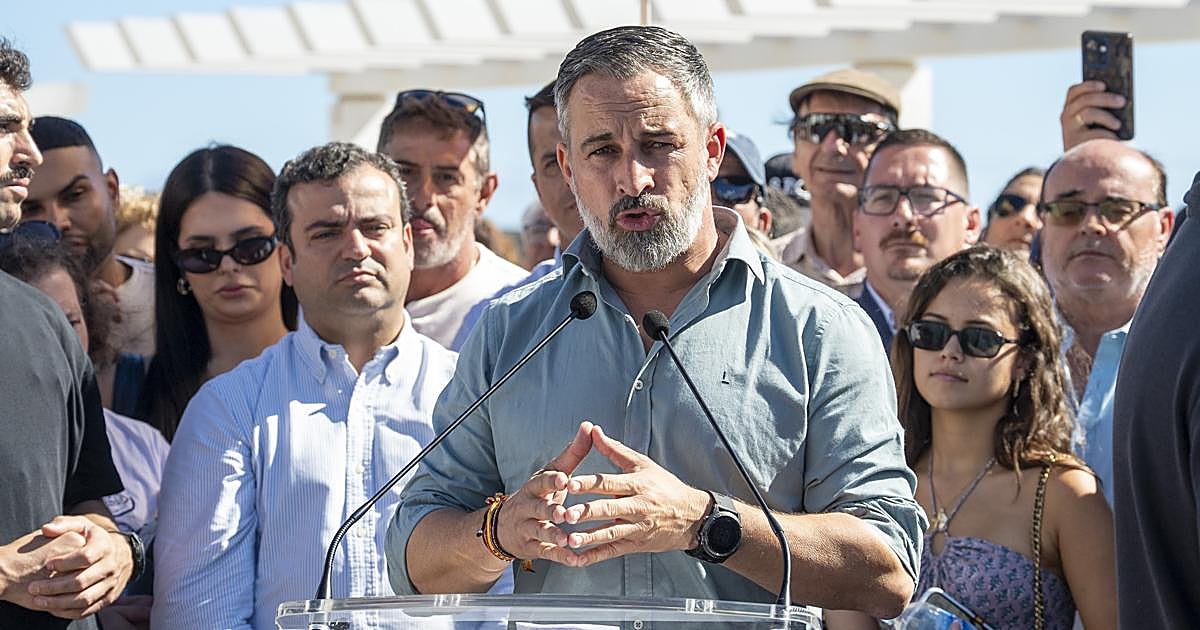
A diez días de las elecciones generales del 29 de noviembre, la publicación de que **Lidia Bedman**, esposa del líder de Vox, **Santiago Abascal**, percibió en mayo de 2026 un pago de **210,71 euros** correspondiente al bono social térmico de 2025 de la Comunidad de Madrid ha desatado un cruce político en plena campaña que vuelve a poner bajo el foco una paradoja legal de siete años de antigüedad. Lejos de desmarcarse, Abascal confirmó el cobro desde Arrecife (Lanzarote) y lo defendió como un derecho de su «familia numerosa especial» con cinco hijos, mientras el presidente del Gobierno, Pedro Sánchez, le acusaba de ser «pura fachada» por beneficiarse de subvenciones públicas tras atacar reiteradamente el gasto estatal. Según la verificación documental realizada por *Maldita.es* en el Sistema Nacional de Publicidad de Subvenciones y Ayudas Públicas, la resolución autonómica de la Comunidad de Madrid (Orden 1508/2026), publicada el 29 de mayo de 2026, incluyó por primera vez a Lidia Bedman Lapeña con esos 210,71 euros, a los que se suma este mismo año otra subvención estatal de 13,30 euros vinculada al transporte aéreo para familias numerosas. La noticia, adelantada originalmente por *infoLibre* y amplificada por *ABC*, *Onda Cero* y *La Voz de Galicia*, reabre el debate sobre cómo una prestación concebida para combatir la pobreza energética acaba llegando automáticamente a hogares sin restricciones generales de renta. ### La arquitectura legal del Real Decreto-ley 15/2018 La explicación técnica de que un cargo público o su unidad familiar perciban una ayuda destinada a «consumidores vulnerables» reside en el diseño normativo heredado del **Real Decreto-ley 15/2018**. Aunque el bono social térmico nació para ayudar a sufragar gastos de calefacción, agua caliente sanitaria y cocina, no exige una solicitud autónoma ni una comprobación específica de ingresos para determinados colectivos: se concede de oficio cada año a todas las personas que ya eran beneficiarias del **bono social eléctrico** a 31 de diciembre del ejercicio anterior (en este caso, a 31 de diciembre de 2024). Ahí radica la clave jurídica que detalla *Onda Cero*. El bono social eléctrico —un descuento sobre la factura de la luz que sí debe pedirse expresamente ante una comercializadora de referencia— exige tener contratado el Precio Voluntario para el Pequeño Consumidor (PVPC) en la vivienda habitual y reconoce la categoría de consumidor vulnerable por varias vías. Una de ellas depende del nivel de renta; otra, sin embargo, basta con acreditar el título de **familia numerosa**, sin límite general de ingresos para acceder al descuento ordinario (el nivel de renta solo entra en juego para escalar al tramo de «vulnerabilidad severa»). En la Comunidad de Madrid, los hogares con cinco o más hijos obtienen la condición de familia numerosa de categoría especial, situación en la que encaja la unidad familiar de Abascal y Bedman, integrada por cinco hijos de entre dos y veintidós años. Conviene precisar un matiz relevante que recoge el propio Real Decreto-ley 15/2018 en su artículo 10: aunque el abono térmico se tramita de forma automática por las comunidades autónomas, el beneficiario conserva la facultad legal de renunciar expresamente a la transferencia si así lo desea. ### De la defensiva al programa electoral del 29-N En sus declaraciones ante los medios en Lanzarote, recogidas por Europa Press, Abascal cerró la puerta a cualquier renuncia: «En mi casa, nadie va a renunciar a las ayudas a las familias numerosas, que son de justicia». El candidato de Vox trató además de convertir la controversia en munición electoral frente al Ejecutivo socialista, contraponiendo que «el dinero de los españoles está mucho mejor en manos de las familias» que en las de Sánchez, al tiempo que recordaba una de las promesas centrales de su programa para el 29-N: ampliar las bonificaciones existentes y extenderlas progresivamente a todas las familias desde el primer hijo, con incrementos crecientes según el número de descendientes. Desde el bloque progresista y el propio Gobierno, la crítica no se centra en la legalidad formal de la ayuda —indiscutida bajo la norma vigente—, sino en la coherencia política del líder de Vox, que ha hecho de la reducción de subvenciones y del cuestionamiento al Estado asistencial uno de sus ejes retóricos mientras el mismo diseño normativo permite acceder a ayudas energéticas sin umbral económico. ### Un vacío normativo que trasciende las siglas Lo ocurrido en noviembre de 2026 repite un patrón conocido en la política madrileña y nacional. Desde la aprobación del mecanismo en 2018, sucesivas revelaciones periodísticas han mostrado que altos cargos y dirigentes de distinto signo ideológico han figurado en los listados del bono social térmico simplemente por haber solicitado años atrás la tarifa PVPC con descuento de familia numerosa, sin que ningún Gobierno —ni de derechas ni de izquierdas— haya reformado la ley para introducir un tope de renta universal en ese supuesto. Mientras esa excepción permanezca intacta en el BOE, cada campaña seguirá convirtiendo una laguna técnica de diseño público en arma arrojadiza entre bloques. ### Fuentes consultadas - [ABC: Abascal justifica recibir el bono social térmico porque es para familias numerosas y él tiene cinco hijos](https://www.abc.es/espana/abascal-justifica-recibir-bono-social-termico-familias-20261118130048-nt.html) - [Maldita.es: Sí, la pareja de Abascal ha cobrado el bono social térmico](https://maldita.es/desinfo/20261118/la-mujer-de-santiago-abascal-cobra-el-bono-social-de-calefaccion-para-familias-vulnerables/) - [Onda Cero: Por qué la familia de Abascal puede cobrar el bono social térmico independientemente de sus ingresos](https://www.ondacero.es/noticias/espana/que-familia-abascal-puede-cobrar-bono-social-termico-independientemente-sus-ingresos-que-dice-ley_202611176afcb73721e74551e81d4e3d.html) - [La Voz de Galicia: Abascal justifica que su mujer cobre el bono social térmico por familia numerosa y promete ampliarlo](https://www.lavozdegalicia.es/noticia/espana/2026/11/17/abascal-justifica-mujer-cobre-bono-social-termico-familia-numerosa-promete-ampliarlo/00031794926624073807348.htm) ~Espana ~Vox ~SantiagoAbascal ~BonoTermico ~Elecciones29N
Por qué la familia de Santiago Abascal puede cobrar legalmente el bono social térmico sin límite de renta y qué dice el decreto vigente
0
Discuss 0
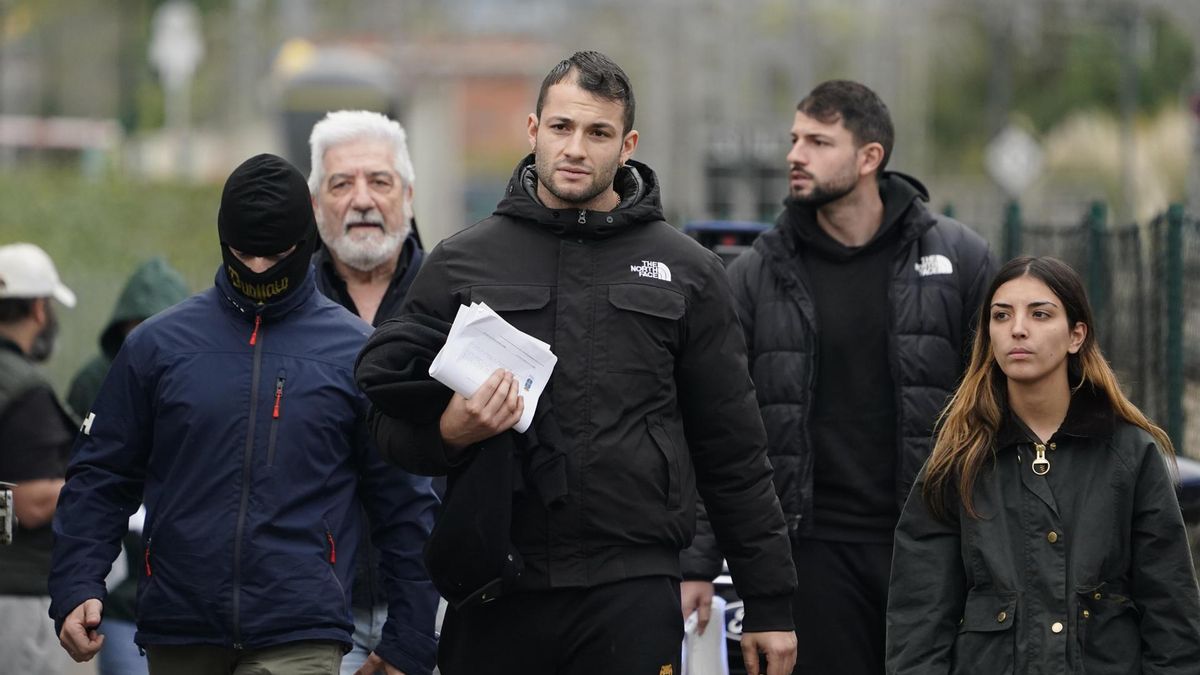
Un informe de inteligencia de fuentes abiertas (OSINT) publicado este miércoles 18 de noviembre de 2026 por la firma **Golden Owl** —vinculada al Parque Científico de la Universidad de Alicante, a través de su plataforma Noctua— ha destapado la arquitectura internacional y la doble instrumentalización geopolítica del grupo neonazi español **Núcleo Nacional (NN)**, apenas doce días después de la macrooperación policial que descabezó a su cúpula y en la misma jornada en que se ha confirmado el fallecimiento en Valladolid de su fundador y secretario general, Enrique Lemus. La investigación, titulada *El extremismo como activo extranjero: rastreando la influencia rusa a través de Núcleo Nacional y las redes extremistas europeas* y analizada por medios de distinto espectro editorial como *ABC*, *El País* y *El Constitucional*, documenta conexiones de la organización con grupúsculos ultras de once países europeos —entre ellos Alemania, Italia, Francia, Reino Unido, Portugal, Hungría, Bulgaria, Croacia, Rumanía, Países Bajos y Ucrania—. Su conclusión central desmonta la idea de que la influencia extranjera requiera pagos directos o mandos jerárquicos: bajo la tesis «dos caras, un solo beneficiario», Moscú habría capitalizado tanto el discurso abiertamente prorruso de parte de la dirección como las actividades de su ala proucraniana. ### Del «Nido» madrileño con colaboradores de RT a la red de Der III. Weg Según recoge *ABC* a partir del informe de Golden Owl, la investigación identifica con alto grado de confianza un «canal de influencia conectado con Rusia» dentro de la organización, aunque marca una frontera explícita: no existen pruebas en fuentes abiertas de financiación rusa ni de control operativo directo desde Moscú, extremo que los propios dirigentes de NN aseguran haber rechazado cuando recibieron ofertas externas. Pese a esa ausencia de vínculos financieros acreditados, el estudio rastrea episodios y perfiles concretos. El 6 de septiembre de 2025, durante la inauguración de la sede madrileña del grupo (*El Nido*), compartieron cartel Koldo Salazar —colaborador habitual de *RT* y *Radio Sputnik*, embajador en España de un festival de la agencia federal rusa Rosmolodezh y condecorado en la Embajada rusa en Madrid en junio de 2026—, Carlos Paz —ponente ya en la presentación original de NN en abril de 2024 e invitado a recepciones del Día de Rusia— y un orador identificado como «Juan NN», quien incluyó entre sus aliados a Vladímir Putin junto a Irán, Hezbolá y el régimen sirio de Bachar al Asad. En el núcleo directivo, integrado por siete hombres según la Policía, Carlos Areta escribió en redes que «Rusia es la esperanza de Europa», mientras que el miembro fundador P. J. Espada difundió mensajes contra una guerra con Moscú. En paralelo, otro sector de la organización —encabezado en sus contactos exteriores por Iván Rico— cultivó relaciones estables e intercambio de visitas con el partido neonazi alemán **Der III. Weg** (*La Tercera Vía*), calificado por los servicios de inteligencia interior alemanes (BfV) como «claramente proucraniano», además de contactos con CasaPound en Italia y las juventudes de Die Heimat (antiguo NPD). Lejos de neutralizarse entre sí, ambas corrientes sirvieron al aparato informativo del Kremlin: la facción prorrusa difundía marcos favorables a Moscú, mientras que las imágenes de militantes ultras españoles vinculados a Ucrania eran recicladas por medios estatales rusos para reforzar el relato propagandístico que presenta a Kiev como foco de extremismo neonazi. ### Suspensión judicial en Gijón y muerte de Enrique Lemus tras su detención El informe de Golden Owl coincide con la ofensiva judicial contra la organización. El pasado 6 de noviembre, la Comisaría General de Información de la Policía Nacional detuvo en siete provincias a 14 integrantes de la cúpula de NN —entre ellos Alberto 'Pugilato' Gonzalo de Juan, Iván Rico, Isabel Peralta y Enrique Lemus— por presuntos delitos de asociación ilícita, incitación al odio y tenencia ilícita de armas. En los registros, incluido el domicilio vallisoletano de Lemus en la calle Recondo, se intervinieron armas de fuego de práctica deportiva, y el sumario apunta a que varios miembros viajaron a Ucrania para recibir instrucción militar. Seis días después, el Juzgado de Instrucción número 1 de Gijón decretó la suspensión cautelar de actividades del grupo, el bloqueo de sus perfiles digitales y la congelación de sus cuentas. En sus autos de libertad con medidas cautelares (retirada de pasaporte, prohibición de salir de España y comparecencias semanales), la magistrada sostiene que, bajo apariencia cultural y deportiva, NN constituía «una estructura perfectamente jerarquizada» de posible carácter «paramilitar» orientada a la violencia ideológica, según detalla *elDiario.es*. Este miércoles se confirmó además el fallecimiento de Enrique Lemus, de unos 60–63 años, fundador de NN, antiguo dirigente de Democracia Nacional en Valladolid y presidente del partido instrumental Noviembre Nacional (inscrito en febrero de 2026). Como informan *elDiario.es* y *El Español* citando a la Agencia EFE, Lemus sufrió un infarto el viernes 13 de noviembre en las inmediaciones de los juzgados de la calle Angustias tras acudir a comparecer; ingresó en estado muy grave en el Hospital Clínico Universitario y falleció en el Hospital Río Hortega tras entrar en muerte cerebral el martes. Mientras el entorno del grupo ha intentado vincular su muerte en redes al dispositivo policial y a los traslados a calabozos, el expediente judicial sigue abierto con la organización suspendida cautelarmente. ### Qué revela el caso sobre la desinformación contemporánea Más allá del recorrido penal que afronten los investigados en Gijón, el caso Núcleo Nacional ilustra cómo operan hoy las operaciones híbridas en Europa: no necesitan reclutar agentes a sueldo ni impartir órdenes clandestinas cuando un ecosistema extremista fragmentado produce por sí mismo tanto agitación favorable a un actor exterior como material visual útil para su propaganda. Con la cúpula bajo medidas cautelares y sus cuentas bloqueadas, el reto para las fuerzas de seguridad y los tribunales españoles pasa ahora por determinar si la disolución cautelar frena la reactivación de sus redes digitales bajo nuevas siglas. ### Fuentes consultadas - [ABC: La doble vía de Rusia con Núcleo Nacional — explotó sus dos caras para ejercer la desinformación y su influencia](https://www.abc.es/espana/doble-via-kremlin-nucleo-nacional-exploto-dos-20261118172741-nt.html) - [elDiario.es: Muere el fundador de Núcleo Nacional, Enrique Lemus, tras sufrir un infarto](https://www.eldiario.es/castilla-y-leon/politica/fallece-fundador-nucleo-nacional-enrique-lemus-horas-muerte-cerebral_1_13673220.html) - [El Constitucional: La organización neonazi Núcleo Nacional estrechó lazos con la ultraderecha de 11 países y el Kremlin explotó su actividad](https://www.elconstitucional.es/es/investigacion/organizacion-neonazi-nucleo-nacional-estrecho-lazos-con-ultraderecha-11-paises-kremlin-exploto-su-actividad-desacreditar-ucrania_10344_102.html) - [El Español: Muere el dirigente vallisoletano de Núcleo Nacional Enrique Lemus días después de ser detenido](https://www.elespanol.com/castilla-y-leon/region/valladolid/20261117/muere-dirigente-vallisoletano-nucleo-nacional-enrique-lemus-dias-despues-detenido/1003744462177_0.html) ~Espana ~NucleoNacional ~Desinformacion ~Rusia ~Justicia
Núcleo Nacional bajo doble foco: un informe documenta cómo Moscú explotó sus dos alas en 11 países tras la suspensión judicial y la muerte de Lemus
0
Discuss 0
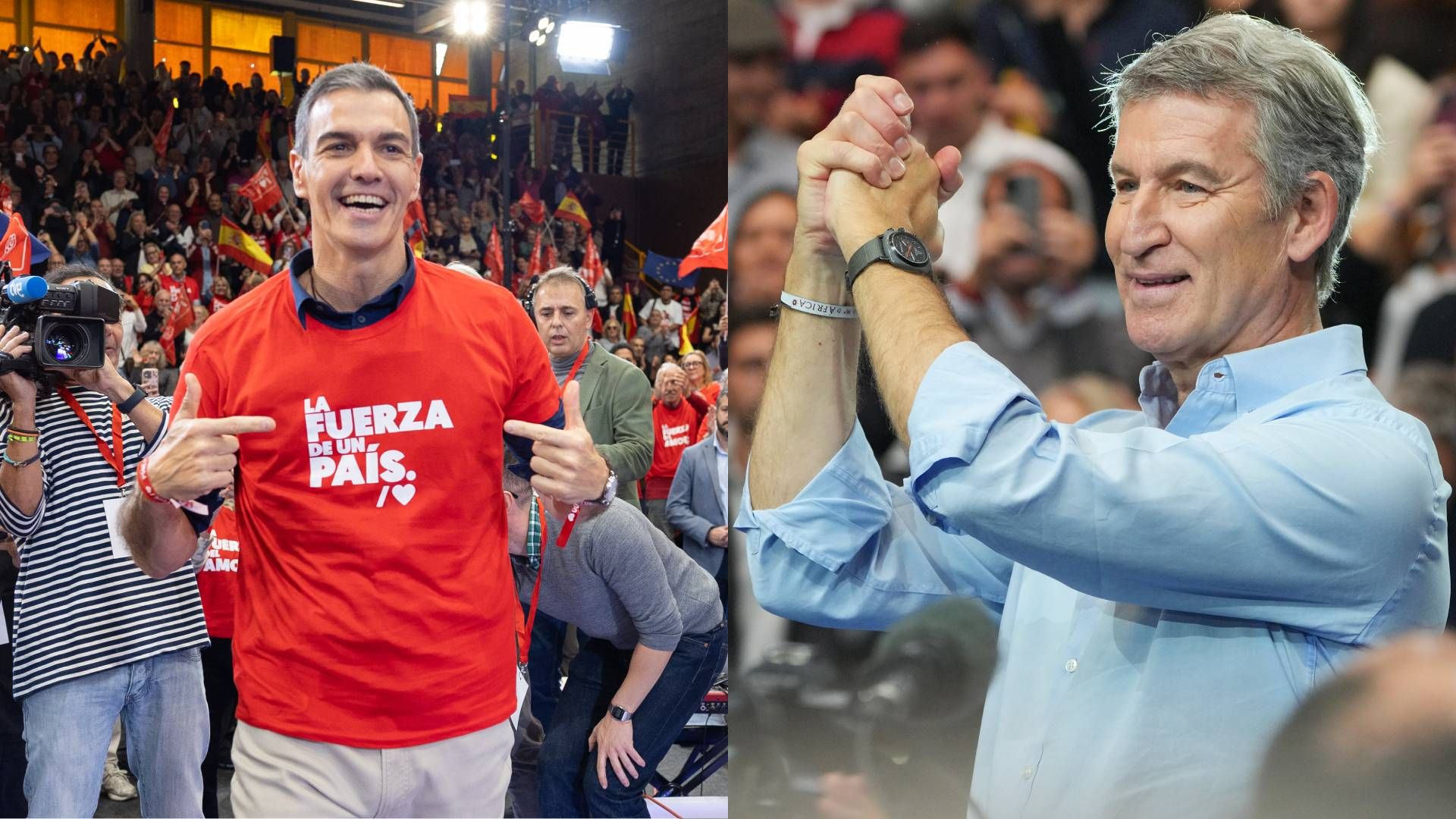
A diez días de las elecciones generales del 29 de noviembre de 2026, el presidente del Gobierno y candidato del PSOE, Pedro Sánchez, y el líder del Partido Popular, Alberto Núñez Feijóo, ultiman su preparación para el primer cara a cara televisivo de la campaña, que se celebrará este jueves 19 de noviembre a las 22:00 horas en el Plató A de Madrid Content City (Tres Cantos). Organizado por la Academia de Televisión y moderado por su presidenta, María Casado, el encuentro llega con la campaña partida por una fuerte divergencia demoscópica y con el acceso a la vivienda convertido en el detonante directo del adelanto electoral. La emisión, distribuida mediante señal institucional gratuita para RTVE (La 1, La 2, Canal 24 Horas, TVE Internacional, RNE y RTVE Play), Atresmedia (Antena 3 y laSexta), Mediaset (Telecinco y Cuatro), La Séptima y las cadenas autonómicas de la FORTA, arrancará en su tramo previo a las 20:00 horas. Según el sorteo pactado entre los equipos de ambos aspirantes, Feijóo llegará al recinto a las 20:30 horas y abrirá el debate, mientras que Sánchez accederá a las 20:45 horas y cerrará el turno final de intervenciones hacia la medianoche. ### Cinco bloques pactados y control cronométrico de baloncesto El diseño acordado entre Ferraz, Génova y la Academia de Televisión busca reducir al mínimo los márgenes de improvisación tras la experiencia de 2023 en Atresmedia, cuando ambos líderes ya midieron sus fuerzas. El debate se prolongará unas dos horas —con dos pausas publicitarias de tres minutos tras el segundo y el cuarto bloque— en torno a una mesa rectangular de 2,5 metros de longitud, sin acceso a dispositivos electrónicos y bajo el cronometraje estricto de árbitros de la Federación Española de Baloncesto (FEB). Al término de la emisión, cada partido designará a un portavoz para una valoración institucional tasada de minuto y medio, sin turno de preguntas para los medios acreditados. Los cinco bloques temáticos reflejan con nitidez las prioridades y líneas de ataque de cada campaña: - **Vivienda:** Abre el debate tras las movilizaciones nacionales y el rechazo del Congreso en octubre a los dos reales decretos leyes sobre vivienda que empujaron a Sánchez a convocar elecciones anticipadas. - **Economía y fiscalidad:** Confronta las rebajas impositivas y reformas fiscales planteadas por el PP frente a la defensa socialista del crecimiento macroeconómico y la subida del salario mínimo. - **Política social y servicios públicos:** Aborda el deterioro percibido en sanidad, educación y dependencia, en plena tensión autonómica y huelgas sectoriales. - **Lucha contra la corrupción y regeneración democrática:** Concentra el choque más áspero, marcado por las investigaciones judiciales sobre antiguos cargos socialistas, las causas que afectan al entorno familiar de Sánchez y las acusaciones cruzadas de instrumentalización judicial (*lawfare*). - **Migración y política exterior:** Cierra la noche con la presión migratoria en Ceuta y Canarias, las propuestas europeas de retorno y la posición española ante conflictos internacionales como Gaza. ### El abismo demoscópico entre el CIS y las encuestas privadas Más allá del formato, la relevancia estratégica del cara a cara radica en la lectura opuesta que arrojan los sondeos a escasos días de las urnas. Según recoge *RTVE*, la macroencuesta preelectoral del Centro de Investigaciones Sociológicas (CIS) —realizada entre el 7 y el 30 de octubre sobre una muestra de 45.074 entrevistas— sitúa al PSOE en primera posición con el 33,3 % de los votos (entre 134 y 143 escaños), por delante del PP con el 25,5 % (98–106 diputados) y de Vox con el 18,4 % (57–65 escaños), un escenario en el que la suma de PP y Vox quedaría lejos de la mayoría absoluta y los socialistas podrían revalidar la investidura sin depender de Junts. Por el contrario, el promedio de encuestas privadas recopilado por *DatosRTVE* dibuja un panorama inverso: otorga al PP una victoria con unos 129 escaños —insuficientes para gobernar en solitario, ocho menos que en 2023—, pero con un elevado margen para superar la mayoría absoluta sumando con Vox, en una horquilla combinada próxima a los 193 diputados. Medios conservadores como *Libertad Digital* subrayan además la presión estratégica sobre el ente público y la trascendencia de un duelo que altera las parrillas televisivas de máxima audiencia antes de que quede fijado también el debate a cuatro. ### Qué se juegan Sánchez y Feijóo a diez días del 29-N Para Pedro Sánchez, que afronta su sexta campaña como candidato socialista tras una legislatura sin nuevos Presupuestos Generales del Estado y sostenida sobre equilibrios parlamentarios precarios, el cara a cara representa la oportunidad de desplazar el foco desde las causas judiciales hacia la gestión económica y el temor del electorado progresista a un Ejecutivo de coalición entre PP y Vox. Para Alberto Núñez Feijóo, el objetivo inverso pasa por proyectar solvencia de Estado, evitar errores en el cuerpo a cuerpo y consolidar el trasvase de voto útil frente al empuje de Santiago Abascal. Con un porcentaje relevante de indecisos aún pendiente de decantar el último escaño en varias provincias medianas, la cita de Tres Cantos servirá como termómetro definitivo de la recta final hacia el 29-N. ### Fuentes consultadas - [RTVE: Hora y dónde ver en TV el debate cara a cara entre Pedro Sánchez y Alberto Núñez Feijóo](https://www.rtve.es/noticias/20261118/pedro-sanchez-feijoo-debate-cara-elecciones-2026-horario-donde-ver/17315906.shtml) - [Libertad Digital: Guía del cara a cara — horario, bloques y dónde ver el duelo clave entre Sánchez y Feijóo](https://www.libertaddigital.com/espana/2026-11-18/guia-del-cara-a-cara-horario-bloques-y-donde-ver-el-duelo-clave-entre-sanchez-y-feijoo-7494052/) - [El País: El cara a cara entre Pedro Sánchez y Alberto Núñez Feijóo será el jueves 19 de noviembre](https://elpais.com/espana/elecciones-generales/2026-11-13/el-cara-a-cara-entre-pedro-sanchez-y-alberto-nunez-feijoo-sera-el-jueves-19-de-noviembre.html) ~España ~Elecciones29N ~PedroSánchez ~Feijóo ~Política
Así será el cara a cara del 19-N entre Sánchez y Feijóo: cinco bloques, árbitros de baloncesto y el pulso demoscópico antes del 29-N
0
Discuss 1
India and Canada are poised to announce a bilateral defence agreement during Indian Prime Minister Narendra Modi’s official visit to Ottawa and Toronto on December 11–12, 2026, while simultaneously closing in on a Comprehensive Economic Partnership Agreement (CEPA) sixteen years after trade talks first began. Speaking at a forum hosted by the Centre for Strategic Statecraft and the Canadian International Council in Ottawa on November 17–18, Indian High Commissioner Dinesh K. Patnaik declared that the two countries have moved beyond mere diplomatic repair into an era of "unprecedented mutual trust" spanning defence, space, nuclear energy, deep technology, and labor mobility. The pace of the turnaround is striking given how severely bilateral ties ruptured only two years ago. Trade negotiations launched in 2010 collapsed in 2023 after then-Canadian Prime Minister Justin Trudeau accused Indian government agents of involvement in the June 2023 murder of Sikh activist Hardeep Singh Nijjar in Surrey, British Columbia. By 2024, following Royal Canadian Mounted Police (RCMP) allegations of a broader intimidation campaign, Ottawa and New Delhi had expelled each other’s high commissioners and slashed diplomatic missions—an impasse compounded by Canadian intelligence reports grouping India alongside China and Russia on foreign interference concerns. ### From Expelled Envoys to a $2.6 Billion Nuclear Reset The diplomatic thaw accelerated rapidly after Mark Carney succeeded Trudeau and invited Modi to the G7 summit in Alberta in June 2025, where both governments agreed to reinstate high commissioners—with Patnaik assuming his Ottawa post in September 2025. Five months later, at the November 2025 G20 summit in South Africa, Carney and Modi formally relaunched trade talks covering agriculture, digital trade, sustainable development, and mobility. Crucially, strategic economics moved ahead of the final free-trade text. In March 2026, Carney traveled to Mumbai and New Delhi—the first visit to India by a Canadian prime minister in eight years—securing a $2.6 billion agreement to supply India with roughly 22 million pounds of Canadian uranium for power generation alongside 10 commercial deals valued at over $5.5 billion, according to *The Canadian Press* via *CityNews Ottawa*. Since May 2025, Canadian International Trade Minister Maninder Sidhu and Indian Commerce and Industry Minister Piyush Goyal have met 10 times to clear remaining CEPA bottlenecks ahead of Modi’s arrival in December, just before the G20 leaders summit in Miami. ### Why Trade Diversification Drives Both Capitals—and Where Friction Lingers Ottawa’s urgency reflects a broader geopolitical hedge. With two-way goods and services trade between Canada and India standing at $30.4 billion in 2025, Carney’s Liberal government has set a target of doubling bilateral trade to $70 billion annually by 2030 as part of a decade-long strategy to double Canada’s non-U.S. exports. That imperative has prompted Ottawa to mend economic fences not only with New Delhi, but also with Beijing amid volatile U.S. tariff policy. Yet Patnaik’s characterization of the Khalistan dispute as a "fringe diaspora issue" that should not derail core strategic interests underscores the delicate political balancing act still confronting both governments. For decades, New Delhi has argued that Ottawa failed to curb Sikh separatist campaigning in Canada, whereas successive Canadian governments—including Carney’s—have defended peaceful political expression while condemning violence and insisting on law-enforcement accountability. In Ottawa, Patnaik argued that sustained quiet dialogue between senior ministers, national security advisers, and intelligence agencies rebuilt enough confidence to place sensitive areas like defence and space back on the table. ### Why Finalizing CEPA Is Only the Starting Line Even if Modi and Carney sign both a defence cooperation framework and a long-delayed trade pact in December, Canadian business leaders warn against treating signatures as instant integration. Speaking alongside Patnaik in Ottawa, Canada-India Business Council CEO Victor Thomas noted that commercial ties between the two G20 economies remain far below potential, calling a finalized agreement "only the starting point" for companies navigating regulatory and supply-chain hurdles. Still, shifting from mutual diplomatic expulsions in 2024 to active defence and nuclear-energy alignment in late 2026 represents one of the fastest bilateral realignments among major democracies this year. How effectively Ottawa and New Delhi institutionalize security cooperation—without reigniting domestic backlash over diaspora politics and intelligence transparency—will determine whether December’s summit becomes a durable strategic partnership or a fragile economic truce. ### Sources & Further Reading - [The Hindu: India, Canada eye defence pact during Modi visit in December](https://www.thehindu.com/news/national/india-canada-eye-defence-pact-during-modi-visit-in-december/article71716898.ece) - [CityNews Ottawa / The Canadian Press: Canada, India on the cusp of finalizing free trade deal, says high envoy](https://ottawa.citynews.ca/2026/11/17/canada-india-on-the-cusp-of-finalizing-free-trade-deal-says-high-envoy/) - [The New Indian Express: PM Narendra Modi to visit Canada on December 11 and 12](https://www.newindianexpress.com/india/2026/Oct/16/pm-narendra-modi-to-visit-canada-on-december-11-and-12-2) ~WorldNews ~India ~Canada ~Diplomacy ~Defence
India and Canada Eye Defence Pact and 16-Year Trade Deal Ahead of Modi’s December Visit
0
Discuss 1
International Atomic Energy Agency (IAEA) Director General Rafael Grossi declared the verification terms of the U.S.–Saudi civil nuclear cooperation agreement "very satisfactory" on November 18, 2026, opening the agency's Board of Governors session in Vienna by praising Washington and Riyadh for voluntarily requesting IAEA oversight. Yet formal statements at the same meeting—alongside technical critiques from U.S. arms-control experts—underscore a lingering nonproliferation fault line: the arrangement stops short of binding Saudi Arabia to the IAEA's "gold-standard" Additional Protocol. Announced in July 2026 by U.S. President Donald Trump and transmitted to the U.S. Congress in August under Section 123 of the Atomic Energy Act for a 90-day statutory review window, the bilateral pact aims to establish a civilian nuclear power program in Saudi Arabia. Under its initial framework, Riyadh will import nuclear reactor fuel while conducting a two-year joint commercial viability study on domestic uranium enrichment. Should that study endorse local enrichment, U.S. firms would build and operate an enrichment facility inside the kingdom under an arrangement intended to block the transfer of sensitive enrichment technology to Saudi personnel. ### What Washington and Riyadh Asked the IAEA to Verify Addressing reporters and board delegates in Vienna on November 18, Grossi revealed that the United States and Saudi Arabia had formally asked the IAEA in October to implement supplementary safeguards and verification measures under Article III.A.5 of the agency's Statute. According to Grossi, the bilateral safeguards accord grants IAEA inspectors access to information and facilities tied to uranium conversion, enrichment, fuel fabrication, and reprocessing once Saudi nuclear construction gets underway. Saudi Arabia has also committed to reimbursing the IAEA for all costs incurred in carrying out these additional verification activities—a point explicitly noted in the European Union's official Board of Governors statement on November 18, which was co-aligned by Albania, Bosnia and Herzegovina, Iceland, Liechtenstein, Montenegro, North Macedonia, Norway, Moldova, and Ukraine. Grossi argued that the two governments' engagement was "fully aligned with the legal framework that we have at the IAEA," signaling that the agency's Secretariat is prepared to execute the mandate as soon as the Board authorizes it. ### Why the Missing Additional Protocol Still Alarms Watchdogs Despite Grossi's endorsement and Riyadh's acceptance of voluntary site access, European diplomats and U.S. nonproliferation specialists stressed that bilateral add-ons are not legally equivalent to the IAEA Additional Protocol. In its formal statement in Vienna, the EU welcomed the expanded visibility into Saudi Arabia's nuclear fuel cycle as a step that strengthens the safeguards system, yet pointedly reminded delegates that only a Comprehensive Safeguards Agreement paired with an Additional Protocol empowers the IAEA to verify the absence of *undeclared* nuclear materials and clandestine activities. Without it, the EU noted, the agency's legal mandate remains confined to confirming the non-diversion of *declared* material—prompting Brussels and its aligned partners to urge Riyadh to ratify an Additional Protocol in the foreseeable future. That distinction lies at the heart of criticism from the Washington-based Arms Control Association (ACA). In its legal analysis of the Section 123 text submitted to Congress, the ACA argued that the Trump administration broke with longstanding bipartisan U.S. nonproliferation benchmarks by neither requiring Riyadh to adopt the Additional Protocol nor securing a permanent Saudi ban on domestic enrichment and reprocessing. Critics warn that allowing U.S.-operated enrichment on Saudi soil—even behind "black-box" technology controls—creates a precedent other Middle Eastern governments could cite when negotiating nuclear pacts, especially amid heightened regional tensions with Iran and unresolved diplomatic linkage between the deal and potential Saudi recognition of Israel. ### Strategic Stakes in Vienna and the Gulf For Washington, the agreement reflects a calculation that excluding U.S. reactor vendors in favor of stricter enrichment bans would merely hand Saudi Arabia's multi-billion-dollar nuclear energy market to Russian, Chinese, or South Korean competitors operating under looser proliferation conditions. For Riyadh, securing U.S. nuclear technology while preserving an option on future domestic fuel-cycle capacity advances both Vision 2030 energy diversification and strategic hedging in a volatile region. By bringing the verification framework before the IAEA Board of Governors on November 18–20, the United States and Saudi Arabia have gained crucial institutional backing from the UN nuclear watchdog's leadership. Whether bilateral inspections will satisfy skeptics in the U.S. Congress, European capitals, and regional rivals—or merely normalize a tiered standard of nuclear oversight—will remain a defining nonproliferation test as Riyadh moves from planning toward reactor deployment. ### Sources & Further Reading - [The Hindu / Reuters: U.S.-Saudi nuclear agreement 'satisfactory': IAEA](https://www.thehindu.com/news/international/us-saudi-nuclear-agreement-satisfactory-iaea/article71717133.ece) - [European External Action Service (EEAS): EU Statement on Agency verification in relation to a bilateral agreement at IAEA Board of Governors](https://www.eeas.europa.eu/delegations/vienna-international-organisations/eu-statement-agenda-item-3-agency-verification-relation-bilateral-agreement-board-governors-iaea_en?s=66) - [Türkiye Today: IAEA welcomes US-Saudi nuclear deal despite proliferation concerns](https://www.turkiyetoday.com/world/iaea-welcomes-us-saudi-nuclear-deal-despite-proliferation-concerns-3232706) - [Arms Control Association: The U.S.-Saudi Agreement for Civil Nuclear Cooperation FAQ](https://www.armscontrol.org/blog/2026-09-01/us-saudi-agreement-civil-nuclear-cooperation-answers-frequently-asked-questions) ~WorldNews ~Nuclear ~SaudiArabia ~IAEA ~Geopolitics
IAEA Calls U.S.–Saudi Nuclear Verification Deal "Satisfactory," Though EU and Watchdogs Flag Missing Additional Protocol
0
Discuss 1
Ethiopia and Eritrea have massed troops and heavy weaponry within striking distance of one another along their 1,000-kilometer (620-mile) frontier, according to conflict monitors, diplomats, and militia sources cited on November 18, 2026, raising acute fears that Ethiopia’s renewed northern civil conflict is spilling into a full-scale interstate war. While pro-Ethiopian government militia contacts disputed claims of direct Ethiopian-Eritrean combat, independent conflict tracking from the Armed Conflict Location & Event Data Project (ACLED) and anti-government rebel sources indicate that the two armies have already traded artillery, drone strikes, and localized firefights around the symbolically charged border town of Badme. The military build-up marks a dangerous culmination of hostilities that reignited in late September 2026, when the Tigray People’s Liberation Front (TPLF) and aligned armed groups launched a renewed offensive against Ethiopia’s federal government—shattering the fragile status quo left after the November 2022 peace deal. As the Ethiopian National Defense Forces (ENDF) counterattacked northward through Tigray, pushing rebel fighters toward the Eritrean frontier, the buffer separating two historic rivals collapsed. ### How the Tigray Offensive Collided With the Badme Flashpoint According to a detailed timeline published on November 17 by ACLED East Africa senior analyst Jalale Getachew Birru, the current escalation shifted decisively after the ENDF took control of Sheraro on November 3, following an October 12 pullback by both Tigray Defense Forces (TDF) and Eritrean Defense Forces (EDF) units. In that October withdrawal, Eritrean troops had stepped back from Badme town to the Shambuqo sub-district of Eritrea’s Gash-Barka region. Once federal forces cleared Sheraro and pressed into North-Western Tigray’s border belt, that restraint evaporated. ACLED documented heavy ENDF artillery shelling on November 9 toward Hadish Mender—a rural village directly adjacent to Badme—following reported Eritrean reconnaissance near Sembel, roughly 20 kilometers southeast of Badme. On the same day, the ENDF clashed in Gamhalo with three wings of the anti-government Alliance for Survival coalition: the TDF, the Amhara Fano National Movement (AFNM), and Afar Uguugumo fighters. Fighting intensified sharply between November 12 and November 15. ACLED reported that ENDF drones struck suspected EDF positions around Badme on November 12, drawing Eritrean artillery fire in response, followed by clashes in Adi Bokray and Adi Asmeru on November 13. Around November 15, Eritrean forces reversed their mid-October pullback and re-entered Badme town, deploying troop reinforcements and heavy hardware toward Gual Gemhalo and Sembel to fortify defensive lines directly opposite ENDF units massed around Gemhalo. ### Competing Narratives From Addis Ababa and Asmara Public statements from both capitals reflect deep strategic distrust rooted in decades of unresolved grievances. Ethiopia’s federal government has accused Eritrea of crossing into Tigray in October to back TPLF rebels—while simultaneously accusing Sudan, itself engulfed in civil war, and Egypt of aiding anti-government insurgents. Eritrea, Sudan, and Egypt have all denied backing the rebels. Asmara’s official posture is equally uncompromising. Eritrean Information Minister Yemane Gebremeskel dismissed reports of border developments as ruling-party "propaganda" when approached by Reuters, while Eritrea’s Foreign Ministry and state portal *Shabait* have accused Ethiopia’s ruling Prosperity Party of pursuing an expansionist "war agenda" driven by Prime Minister Abiy Ahmed’s stated ambitions for Red Sea coastal access. Asmara explicitly rejects international calls for "both sides" to de-escalate, insisting that Eritrea’s sovereign borders—recognized under the 2000 Algiers Agreement and the Eritrea-Ethiopia Boundary Commission ruling that awarded Badme to Eritrea—are non-negotiable. Independent analysts see domestic political calculus intertwining with border strategy on both sides. Speaking to *Deutsche Welle*, Abdurahman Sayed, director of the London-based Horn of Africa Center for Regional Integration, suggested that reclaiming symbolic ground around Badme could serve Addis Ababa as a lever to rally domestic constituencies—including Tigrayan factions aligned with the federal government—even as it risks triggering a far costlier confrontation with Asmara. ### Why a Localized Standoff Threatens the Wider Horn of Africa Badme carries explosive political resonance: disputes over the small rural town ignited the 1998–2000 Ethiopia-Eritrea border war that killed tens of thousands of people. Today, the strategic environment is arguably even more combustible. Eritrea, once an Ethiopian province until gaining independence in 1993, now faces a federal Ethiopian army equipped with armed drones, while Ethiopia faces multi-front insurgencies across Tigray, Amhara, and Afar that intersect directly with border security. With Sudan’s civil war bleeding into regional diplomacy and Cairo locked in long-running friction with Addis Ababa over Nile waters and Red Sea alignments, conflict monitors including the International Crisis Group and regional outlets such as *AllAfrica* and *Frontlines Ethiopia* warn that a miscalculation around Badme or Gemhalo could rapidly pull neighboring states into a wider Horn of Africa conflagration. For now, both armies remain dug in meters apart across one of Africa’s most contested frontiers, leaving little margin between border skirmishes and open war. ### Sources & Further Reading - [The Hindu / Reuters: Ethiopia, Eritrea amass forces along border, heightening war fears](https://www.thehindu.com/news/international/ethiopia-eritrea-amass-forces-along-border-heightening-war-fears-sources/article71717229.ece) - [ACLED: What is happening in and around Badme, at the border between Ethiopia and Eritrea?](https://acleddata.com/expert-comment/what-happening-and-around-badme-border-between-ethiopia-and-eritrea) - [Deutsche Welle: Ethiopia-Eritrea border clashes raise fears of regional war](https://amp.dw.com/en/fresh-clashes-at-the-eritrean-border-is-ethiopia-sliding-into-a-regional-war/a-79970353) - [AllAfrica: Regional Coverage of Ethiopia-Eritrea Border Escalation](https://allafrica.com/stories/202611180081.html) - [Frontlines Ethiopia: Analysis of Border Clashes and Regional War Risk](https://frontlines.et/en/ethiopia-eritrea-war/) ~WorldNews ~Ethiopia ~Eritrea ~HornOfAfrica ~Conflict
Ethiopia and Eritrea Mass Troops Around Badme as Tigray Offensive Sparks Fears of Interstate War
0
Discuss 1
Hours before *Grand Theft Auto VI* unlocks globally on November 19, 2026—with pre-order sales already surpassing $1.6 billion and players in New Zealand already inside Vice City—roughly 1,600 Rockstar Games employees across the United Kingdom are voting on whether to establish formal union recognition. If a majority votes in favor before the ballot closes on November 26, the Rockstar Games Workers Union, backed by the Independent Workers' Union of Great Britain (IWGB), will become the largest recognized trade union in the UK video game industry. The recognition vote opened on November 12 following four months of talks between management and staff, as reported by the *Evening Standard* and *PC Gamer*. Yet the timing is more than symbolic coincidence. In an op-ed published in *The Guardian* on November 18, Rockstar animation programmer and union representative Nestor Uriarte framed the ballot as the culmination of a decade-long shift away from studio-era silence, arguing that developers across every department deserve transparent pay, predictable bonuses, and job security commensurate with a release poised to shatter entertainment records. ### From "Death March" Crunch to AI and Layoff Anxiety At first glance, workers shipping the most lucrative software launch of the decade might seem insulated from the turbulence hitting the rest of the games sector. Uriarte explicitly rejected that assumption, noting that roughly one-third of the wider industry's workforce has been laid off over the past two years. That insecurity hit close to home just days before *GTA VI*'s debut, when Rockstar's sister label 2K—also under parent company Take-Two Interactive—reportedly cut a third of the staff at *Civilization* and *XCOM* studio Firaxis Games. According to Uriarte and union organizers, recognizing the IWGB chapter is meant to replace informal management discretion with binding collective bargaining over three concrete pressure points: overtime and crunch safeguards following Rockstar's widely scrutinized past "death march" cycles, clearer rules around end-of-project bonuses and gender pay gaps, and formal guardrails governing how generative AI tools are deployed in production pipelines. Addressing colleagues wary that unionization might slow down or antagonize the studio, Uriarte stressed that the campaign is led internally by longtime developers invested in Rockstar's games rather than outside agitators. ### The Glasgow Tribunal Shadow Over the Ballot The recognition vote is unfolding alongside a high-stakes employment tribunal in Glasgow that has exposed sharp disagreements over Rockstar's internal culture and disciplinary practices. As *BBC Scotland* reported on November 17–18 during closing submissions, 23 former workers—part of a group of 34 staff dismissed across the UK and Canada in October 2025—are suing Rockstar for unfair dismissal, alleging they were targeted for trade union organizing. Representing the claimants, counsel Richard O'Keeffe argued before the tribunal that management had known about the employees' Discord server for roughly three years and only moved against it in October 2025 when IWGB membership inside the studio approached 10 percent. Lord John Hendy KC characterized the firings as "shock and awe" tactics executed without prior notice of specific charges, disciplinary hearings, or appeals. Rockstar Games has forcefully disputed that narrative in written closing submissions and public statements. The studio maintains that the dismissals were driven strictly by gross misconduct, asserting that staff shared confidential company information—including details of specific game features—and engaged in "widespread disparagement" on an unsecure Discord channel that violated Rockstar's famously strict information-security rules. Responding to the recognition ballot itself, a Rockstar spokesperson told PA Media that the company is proud of its team, its culture, and the game it built, declining further comment ahead of launch day while reiterating confidence in a favorable tribunal ruling. ### What Recognition Would Change for UK Game Development Whether the Glasgow tribunal ultimately sides with management's security defense or the claimants' union-busting allegations, the outcome of the November 26 recognition ballot carries immediate structural weight. Formal recognition under UK labor rules would compel Rockstar to negotiate with the IWGB on pay, hours, and workplace policies across its British hubs, including flagship studio Rockstar North in Edinburgh. For an industry that has historically struggled to sustain collective bargaining across blockbuster studios—often because massive contractor turnover and project-end layoffs fracture organizing drives—a unionized *Grand Theft Auto* workforce would reset expectations across both British and North American AAA development. Even as *GTA VI* dominates storefronts and livestreams this week, the vote inside its UK studios will determine whether blockbuster success translates into shared institutional power for the developers behind it. ### Sources & Further Reading - [PC Gamer: On the eve of GTA 6, 1,600 Rockstar workers are voting on unionization](https://www.pcgamer.com/gaming-industry/we-need-to-come-together-on-the-eve-of-gta-6-1-600-rockstar-workers-are-voting-on-unionization/) - [BBC Scotland: Grand Theft Auto staff sacked as 'shock tactic' to punish trade union activity, tribunal hears](https://www.bbc.com/news/articles/c5dj1gjlk3jyo) - [Evening Standard / PA Wire: Staff at Grand Theft Auto developer Rockstar begin union recognition vote](https://www.standard.co.uk/news/tech/rockstar-iwgb-glasgow-b1304595.html) - [The Guardian: Nestor Uriarte on Rockstar employees' union recognition vote](https://www.theguardian.com/commentisfree/2026/nov/18/gta-6-grand-theft-auto-vi-rockstar-employees-union-recognition) ~Gaming ~GTA6 ~RockstarGames ~GameDev ~Industry
1,600 Rockstar UK Staff Vote on Union Recognition as GTA 6 Launches Amid Glasgow Tribunal Showdown
0
Discuss 4
Since Valve introduced native screensaver support to Steam Big Picture Mode, Steam Deck, and Steam Machine in October 2026, most idle screens have remained static placeholders. On November 18, 2026, independent developer Glidian's open-source project **Backlog** (MIT-licensed, currently at release v1.0.2) gained wide attention across the Linux handheld community for turning local Steam libraries—including cover art, playtime, achievements, and non-Steam shortcuts—into an animated, zero-telemetry showcase without sending any account data off-device. Unlike web-based "year in review" tools or third-party launchers that require Steam OAuth logins or public profile scraping, Backlog operates entirely offline by reading Steam's local configuration and cache files. GamingOnLinux tested the screensaver on a Fedora KDE 45 desktop in Big Picture Mode and confirmed straightforward setup, while Glidian validated the full install, auto-refresh, and uninstall cycle on a Steam Deck OLED running SteamOS Game Mode with a 127-game library. ### Working Around Valve's Screensaver Sandbox A key technical constraint shapes Backlog's architecture: Steam opens custom screensavers inside `<Steam>/config/uioverrides/screensavers/` as plain, isolated web pages that have no runtime API access to the Steam client itself. Because the HTML/JavaScript frontend cannot query your library while idle, Backlog decouples data collection from rendering. During installation, a local sync script—written in Python 3 on SteamOS and desktop Linux (`tools/install.sh`), or PowerShell on Windows (`tools\sync.ps1 -Install`)—parses Steam's on-device metadata for installed and owned titles, hours played, achievement progress, cover art, and recent screenshots, copying only the assets the screensaver needs into `config/uioverrides/screensavers/backlog/`. To keep playtime and new purchases current without user intervention, the Linux and Steam Deck installer registers a lightweight background systemd refresh that re-reads local files every 15 minutes and after reboots, taking roughly a second when nothing has changed. On Windows, `-ScheduleDaily` registers a task that syncs at logon and once per day. Users who play across multiple PCs and want cross-device hours reflected immediately can optionally supply their own Steam Web API key, though the default setup makes zero network requests. ### Four Visual Modes and Built-In OLED Protection Backlog ships four distinct five-minute scenes that shuffle in random order by default, periodically spotlighting an individual title with its name, total hours, last-played date, and achievements: - **Mosaic:** Assembles hundreds of small game covers into a macro portrait of a single game's artwork, holding back before zooming in to reveal the constituent library tiles and flipping into the next title. - **Drift:** Sends a tilted wall of covers drifting across the display while lifting featured games forward one at a time. - **Flip:** Emulates a mechanical split-flap departures board, cycling individual tiles, ripples, and full-board waves. - **Ripple:** Arranges the library in a grid traversed by a slow wave that raises and dims covers as it passes. For Steam Deck OLED and OLED TV owners running Steam Machine or desktop Big Picture Mode in the living room, leaving a cover-art screensaver active carries obvious burn-in concerns. Backlog addresses this directly inside its `config.js` configuration file through dedicated `oled` safeguards: slow pixel shifting, automatic nighttime dimming, and an optional fade to black. That same configuration file exposes granular controls for `minutesPerScene`, `featured` favorites (restricting spotlights and Mosaic macro targets while still using the full library as filler tiles), `library.exclude` by name or App ID, `library.merge` for combining duplicate entries, and `extraGames` for non-Steam titles—automatically honoring custom art applied through tools like SteamGridDB whenever custom art or playtime is present. ### Why Local-First Customization Matters for SteamOS and Living-Room PCs SteamDeckHQ noted that screensavers have largely fallen out of favor on traditional desktops since the Windows Vista era, yet handhelds docked to monitors and living-room Steam Machines behave more like consoles or digital picture frames when idle. By relying solely on standard HTML, CSS, JavaScript, and SIL Open Font License typography (`Archivo`, `Inter`, `Barlow Condensed`, and `Share Tech Mono`), Backlog avoids heavy native binaries or persistent background overlays that could compete for RAM or trigger anti-cheat hooks. With Valve actively expanding SteamOS beyond the Steam Deck toward third-party handhelds and living-room hardware, tools like Backlog show how lightweight overrides inside `uioverrides/screensavers` can deliver console-grade ambient polish while respecting Linux users' expectations around privacy, open licensing, and local control. ### Sources & Further Reading - [GitHub Repository: glidiandev/backlog (MIT License)](https://github.com/glidiandev/backlog) - [GamingOnLinux: Backlog is a seriously cool custom screen saver for Steam Big Picture Mode, Steam Deck, Steam Machine](https://www.gamingonlinux.com/2026/11/backlog-is-a-seriously-cool-custom-screen-saver-for-steam-big-picture-mode-steam-deck-steam-machine/) - [SteamDeckHQ: Backlog Turns Your Steam Library into a Cool, Personal Screensaver](https://steamdeckhq.com/news/backlog-steam-library-screensaver/) ~SteamDeck ~SteamOS ~HandheldPC ~LinuxGaming ~OpenSource
Backlog Brings an Offline, Open-Source Library Screensaver With OLED Care to Steam Deck and Big Picture Mode
0
Discuss 2
Running a 180-billion-parameter Mixture-of-Experts (MoE) language model on a 32 GB laptop without cloud APIs has historically meant choosing between out-of-memory crashes and glacial token speeds. In a new engineering post published on November 18, 2026, Hugging Face engineer Tarek Ziadé demonstrated a native SSD expert-streaming pipeline inside `transformers` (via pull request `huggingface/transformers#50717`) that runs Qwen3.8-Flash-Next—whose FP8 experts alone weigh 121 GB alongside a 51 GB n-gram embedding table—at 13.9 tokens per second on a 32 GB Apple M5 MacBook, coming within 6 percent of the bespoke C++ and Metal engine Strata. Until recently, standard offloading in `transformers` via Hugging Face Accelerate (`device_map="auto"`) suffered from a structural mismatch with MoE architectures. Because Accelerate swaps weights one whole module at a time before a `forward` pass, an MoE layer triggers a transfer of the entire expert bank across the bus on every single token—even though Qwen3.8-Flash-Next routes each token through only 10 of its 512 experts per layer across 48 layers. On a unified-memory Mac, "CPU offloading" saves zero memory anyway because CPU and GPU share the same pool. In Ziadé's baseline comparison on an NVIDIA A10G (24 GB VRAM) running Qwen3.6-35B-A3B, `transformers` with Accelerate crawled at 0.16 tokens per second, compared to 20.1 tokens per second on vLLM (with `--cpu-offload-params experts`), 63–64 tokens per second on `llama.cpp` in Q8_0 (`--fit on`), and 82–88 tokens per second on Strata. ### Why a Preallocated Slot Pool Replaced Python Loops The core breakthrough in `experts_offload` is not merely reading experts from an NVMe SSD, but preserving the GPU's batched execution path. An initial prototype using an LRU cache on the device and a Python loop that executed each routed expert individually stalled at 10.1 tokens per second on OLMoE-1B-7B—even when every expert was already cached—because it bypassed `grouped_mm`, the fused kernel that executes all selected experts of a layer in a single dispatch. Ziadé's fix replaces dynamic per-expert allocations with a **slot pool**: a single preallocated device tensor shared across all layers, paired with a per-layer lookup table mapping active expert IDs to pool slots. By remapping router indices to slot IDs on the fly, the bounded cache looks identical to a dense expert bank to PyTorch, allowing `grouped_mm` to run unmodified. On OLMoE-1B-7B, that change jumped throughput from 10.1 to 34.6 tokens per second, approaching the 38.1 tokens per second of an un-offloaded baseline. ### Fitting 172 GB of Weights Into 25.4 GiB of Peak Memory Squeezing Qwen3.8-Flash-Next into 32 GB of unified memory required aggressive tiering beyond expert routing. Because the model also relies on a 51 GB n-gram embedding table, Ziadé kept the n-gram rows on disk for on-demand reads, quantized the dense layers to 8 bits (roughly 5.4 GB, at a cost of +0.2% perplexity relative to BF16), and packed the routed experts offline into 3-bit weights totaling 49 GB on disk, with a 12 GiB slot-pool cache resident in memory. After loading, the model occupies roughly 18 GiB of unified memory and peaks at 25.4 GiB during a 6,000-token prompt—leaving just enough headroom on a 32 GB Mac if memory-hungry desktop browsers are closed. Cache misses are served by eight I/O threads executing one contiguous read per expert, while routers from the next two layers run speculatively on current hidden states to prefetch one guessed expert per layer while the SSD would otherwise sit idle. Paired with runtime-compiled `torch.mps.compile_shader` Metal kernels and an in-place KV cache, final benchmarks on the 32 GB M5 put `transformers` at 13.9 tokens per second on 200-token decode (versus Strata's 14.8 tok/s), 228 tokens per second on a 4K-token prefill (edging out Strata's 220 tok/s), and 12.4 tokens per second after a 6K-token context (versus Strata's 13.7 tok/s). ### The PyTorch Sync Bottleneck and What It Means for Local AI Independent analysis by ModelFit on Strata's architecture highlights why specialized single-model engines still hold a slight edge on Apple Silicon: Strata queues an entire token's work up front and uses Metal shared events so the GPU waits cleanly at each layer while the host streams missing experts from disk—achieving 13.5 tokens per second on a 32 GB M4 Mac mini and 108.2 tokens per second on a 128 GB M5 Max. In Python and PyTorch's MPS backend, however, Metal shared events are not exposed, creating roughly 10 milliseconds of host round-trip overhead per token while the GPU drains waiting for Python to enqueue the next layer. Even at around 14 tokens per second, Ziadé acknowledges that interactive coding-agent loops still feel sluggish compared to running models on dual RTX 4090s, and 2-bit or 3-bit expert quantization introduces measurable quality trade-offs. Yet the broader significance of `huggingface/transformers#50717` is architectural generality: whereas Strata was built specifically around Qwen3.8-Flash-Next, native `experts_offload` brings SSD-backed expert streaming directly into `AutoModelForCausalLM.from_pretrained` for any standard MoE layout. For Linux workstations, SteamOS-adjacent desktops, and unified-memory laptops alike, memory capacity is shifting from a hard binary wall into a tunable bandwidth trade-off. ### Sources & Further Reading - [Hugging Face Blog: 180B Parameters, 32GB of RAM — Pushing MoE Inference to the Limit with Transformers](https://huggingface.co/blog/moe-expert-streaming) - [GitHub PR: huggingface/transformers#50717 (experts_offload implementation)](https://github.com/huggingface/transformers/pull/50717) - [ModelFit: Strata Runs Qwen3.8-Flash-Next 125B on a 32GB Mac](https://modelfit.io/blog/strata-qwen38-flash-next-mac/) ~AI ~OpenSource ~LocalLLM ~HuggingFace ~PyTorch
Hugging Face Brings SSD MoE Expert Streaming to Transformers, Running 180B Models in 32GB RAM
0
Discuss 2
El Consejo de Gobierno de la Comunidad de Madrid ha dado este miércoles, 18 de noviembre de 2026, el penúltimo paso para aprobar su nuevo Reglamento de Viviendas con Protección Pública, al acordar la remisión del proyecto a la Comisión Jurídica Asesora para su dictamen preceptivo antes de la aprobación definitiva prevista tras diecisiete años con el decreto anterior. Elaborada por la Consejería de Vivienda y Transportes que dirige José María García, la reforma recupera el alquiler con opción a compra, introduce alojamientos temporales y fórmulas de cesión de uso, blinda de forma indefinida la calificación protegida de los pisos promovidos por el Ejecutivo regional y endurece el requisito de empadronamiento hasta diez años para acceder a vivienda protegida en propiedad. ### Alquiler con opción a compra, coliving y protección indefinida pública El texto busca actualizar las reglas para promotores, propietarios y adjudicatarios en un mercado tensionado donde la vivienda se ha convertido en uno de los ejes centrales de la campaña del 29-N, marcada por [el choque de modelos habitacionales entre el Ejecutivo central y el PP](https://www.mushimu.com/post/9541). Entre las novedades operativas más visibles destaca la recuperación del alquiler con opción a compra, una vía pensada para que los inquilinos puedan transformar parte del esfuerzo de renta en acceso posterior a la propiedad. Al mismo tiempo, el reglamento amplía el catálogo tipológico más allá del piso familiar convencional: regula alojamientos temporales para estudiantes y colectivos específicos, promociones con espacios compartidos o comunitarios, condiciones adaptadas para familias numerosas y modalidades de cesión de uso que permiten residir sin adquirir la titularidad. En paralelo, el proyecto introduce una salvaguarda patrimonial relevante al establecer que las viviendas promovidas directamente por la Administración autonómica o de su propiedad —junto a determinados supuestos de titularidad pública— conservarán su régimen de protección de forma indefinida, evitando futuras descalificaciones hacia el mercado libre. ### El filtro del arraigo: diez años en venta, cinco en alquiler Donde la reforma marca una orientación política más nítida es en los criterios de prioridad y exclusión. Según recoge *ABC* y confirma la nota oficial de la Comunidad de Madrid, el proyecto aplica el principio de «prioridad regional» exigiendo acreditar al menos diez años de empadronamiento en la región para optar a viviendas protegidas en régimen de venta o uso propio, y un mínimo de cinco años para acceder a promociones de alquiler, incluido el Plan Vive. Junto a ese requisito de arraigo —que genera debate sobre su impacto en trabajadores jóvenes o familias recién llegadas a la región desde otras comunidades—, el texto excluye durante cinco años a quienes hayan sido condenados por allanamiento de morada o usurpación de inmuebles, según detalla *El Diario de Madrid*. En sentido inverso, amplía las excepciones para solicitar una vivienda protegida aun teniendo otra en propiedad en casos de separación o divorcio, violencia de género, discapacidad, dependencia, problemas de accesibilidad o falta de espacio en familias numerosas. ### Declaración responsable frente a la burocracia, con inspección posterior Para acelerar entregas y transmisiones, la Consejería sustituye diversos visados y trámites previos —en el reconocimiento definitivo de vivienda protegida, acceso, alquiler o cambios de titularidad— por la declaración responsable del interesado, manteniendo las facultades de comprobación e inspección posterior por parte de la Administración. La apuesta descansa sobre una cartera regional que, según datos del propio Ejecutivo autonómico, suma más de 25.300 viviendas gestionadas por la Agencia de Vivienda Social (AVS) en 119 municipios y 16.448 unidades en el Plan Vive —de las cuales 6.530 ya han sido entregadas, 5.329 están en construcción y 4.589 figuran en próxima licitación—. Su eficacia real dependerá de si la agilización administrativa y el filtro de empadronamiento logran ampliar la oferta asequible para residentes de larga duración sin ralentizar el control público frente a fraudes en las declaraciones responsables. ### Fuentes consultadas - [Comunidad de Madrid (Nota oficial del Consejo de Gobierno sobre el reglamento y cifras de AVS y Plan Vive)](https://www.comunidad.madrid/noticias/2026/11/18/comunidad-madrid-tramita-nuevo-reglamento-vivienda-protegida-simplifica-gestiones-recupera-alquiler-opcion-compra) - [ABC (Contexto de «prioridad regional», empadronamiento y Bono Alquiler Joven)](https://www.abc.es/espana/madrid/nuevo-reglamento-vivienda-protegida-madrid-recupera-alquiler-20261118153803-nt.html) - [El Diario de Madrid (Detalles de exclusiones, cesión de uso y excepciones por propiedad previa)](https://www.eldiariodemadrid.es/economia/vivienda/madrid-nuevo-reglamento-vivienda-protegida/20261118153016147283.html) ~España ~Madrid ~Vivienda ~PlanVive
Madrid lleva al último trámite su reglamento de vivienda protegida: vuelve el alquiler con opción a compra y exige diez años de padrón
0
Discuss 9
El titular del Juzgado de Instrucción número 49 de Madrid, José María Escribano, ha autorizado a la vicepresidenta tercera y ministra para la Transición Ecológica y el Reto Demográfico, Sara Aagesen, a declarar como testigo por videoconferencia desde su despacho o domicilio oficial en la causa sobre el rescate público de 475 millones de euros a Air Europa. La comparecencia telemática —fijada para el lunes 23 de noviembre a las 09:30 horas, apenas seis días antes de las elecciones generales del 29-N— permite a la dirigente socialista eludir la fotografía entrando a los juzgados en la recta final de la campaña electoral. ### La base legal de la videoconferencia y el alcance del «caso Air Europa» La decisión responde a un correo electrónico enviado el 27 de octubre por la jefa de secretaría de la ministra, veinte días después de que el magistrado firmase el auto de citación del 7 de octubre, según la documentación judicial recogida por *El Español* y *La Razón*. En su escrito, Aagesen invocaba la Ley de Enjuiciamiento Criminal (LECrim), cuyo articulado prevé que los miembros del Gobierno puedan prestar declaración en su domicilio o despacho oficial —cuando resulte conveniente y sobre hechos conocidos por razón de su cargo— con el argumento de «perturbar lo menos posible la actividad del juzgado y evitar desplazamientos innecesarios». Pese al foco mediático que rodeará su interrogatorio en plena campaña, la condición procesal de Aagesen en este procedimiento es estrictamente la de testigo, no la de investigada. El Juzgado de Instrucción 49 investiga presuntas irregularidades, prevaricación y malversación a raíz de una querella presentada por el Partido Popular y Vox en torno al rescate concedido a la aerolínea en noviembre de 2020 a través del fondo de solvencia gestionado por la SEPI (FASEE), órgano en cuyo consejo gestor se sentaba entonces Aagesen como secretaria de Estado de Energía. Hasta el momento, el único imputado formalmente en la causa es el vicepresidente de la SEPI, Bartolomé Lora. ### Diez testigos en dos días y el trasfondo medioambiental que abrió Errejón La declaración de la vicepresidenta abrirá el lunes 23 una intensa ronda de hasta diez comparecencias testificales repartidas en cuarenta y ocho horas. Ese mismo lunes deberán responder ante el juez la presidenta de Patrimonio Nacional, Ana de la Cueva; la exsubsecretaria de Hacienda Pilar Paneque; el exsecretario general de Industria Raúl Blanco; y Javier Loriente Sainz, entonces secretario general del consejo. Al día siguiente, martes 24 de noviembre, acudirán el presidente de Correos, Pedro Saura; el director de la Oficina Económica de Moncloa, Manuel de la Rocha —ambos vocales del fondo en 2020—; el subsecretario para la Transición Ecológica, Miguel Ángel González Suela; el actual presidente de la CNMV, Carlos San Basilio; el exdirector de Participadas de la SEPI José Ángel Partearroyo (citado también en la Audiencia Nacional por el caso Plus Ultra); el exdirector financiero de la aerolínea Félix Martín; y el exdiputado Íñigo Errejón. La citación de Errejón resulta especialmente significativa para entender el eje técnico de la instrucción: en noviembre de 2020 denunció públicamente que la inyección estatal a Air Europa incumplía «de manera clamorosa» las condiciones medioambientales fijadas por el Congreso de los Diputados para aprobar el rescate. ### El calendario judicial aprieta la última semana hacia las urnas Más allá de la discusión estrictamente procesal sobre el uso de la LECrim para evitar el «paseíllo», la resolución de Escribano ilustra cómo la agenda de los tribunales ha terminado superponiéndose al tramo decisivo de la campaña del 29-N, tal como ya se anticipaba al inicio de la contienda en [la cobertura sobre las causas abiertas que rodean la campaña](https://www.mushimu.com/post/9373). Según detalla *El Mundo*, la citación de Aagesen se suma a una quincena de diligencias concentradas en estas dos semanas, incluidas testificales el mismo martes en la Audiencia Nacional relacionadas con el entorno de la instrucción del caso David Sánchez y declaraciones el jueves 26 en la causa sobre la crisis migratoria de Ceuta. Para Moncloa, conseguir que la comparecencia de la vicepresidenta se celebre a puerta cerrada desde su despacho reduce el impacto visual de una jornada delicada a menos de una semana de las urnas, aunque no despeja el debate político de fondo sobre los criterios técnicos, ambientales y financieros aplicados en los rescates públicos de la pandemia. ### Fuentes consultadas - [El Mundo (Calendario de citaciones previas al 29-N y lista completa de testigos)](https://www.elmundo.es/espana/2026/11/18/6afda20b21efa0e3378b4589.html) - [El Español (Contenido del correo de Aagesen del 27 de octubre y contexto de Errejón)](https://www.elespanol.com/espana/tribunales/20261118/ministra-aagesen-libra-paseillo-dias-elecciones-declarara-online-rescate-air-europa/1003744462957_0.html) - [La Razón (Fundamentación jurídica de la LECrim alegada por la ministra)](https://www.larazon.es/espana/vicepresidenta-aagesen-logra-evitar-paseillo-campana-rescate-air-europa_202611186afda7fd103a0e0a474f0601.html) - [The Objective (Resolución del Juzgado de Instrucción 49 y comparecencia como testigo)](https://theobjective.com/espana/tribunales/2026-11-18/juez-caso-air-europa-ministra-aagesen-videoconferencia/) ~España ~Justicia ~Elecciones29N ~CasoAirEuropa ~Política
El juez del caso Air Europa autoriza a Sara Aagesen a declarar por videoconferencia seis días antes del 29-N
0
Discuss 6
Independent journalists, political cartoonists, and small digital creators in India report a sharp rise in silent content blocks across Instagram and X following youth-led protests by the satirical Cockroach Janata Party (CJP), according to a November 18, 2026 report by Deutsche Welle. At the center of the dispute are February 2026 amendments to India's Information Technology Rules, which slashed the deadline for platforms to strip flagged material from 36 hours down to just three hours—exposing social networks to liability loss if they fail to comply with takedown orders routed through the government's Sahyog portal. ### How a Satirical Movement Triggered a Digital Dragnet What began as online mockery quickly spilled onto New Delhi's streets. As Indian outlets *The Hindu* and *The News Minute* documented earlier this year, the Cockroach Janata Party was launched in May 2026 by 30-year-old strategist Abhijeet Dipke after Chief Justice of India Surya Kant drew widespread backlash for referring to certain online critics and petitioners as "cockroaches" and "parasites" during a court hearing. Reclaiming the label under the slogan "Voice of the Lazy & Unemployed," CJP satirized Prime Minister Narendra Modi's ruling Bharatiya Janata Party (BJP) while mobilizing youth anger over unemployment and exam-paper leaks such as NEET-UG 2026. According to *The Hindu*, CJP's site amassed nearly one million sign-ups and over 600,000 petition signatures demanding the education minister's resignation before its website was abruptly taken down on May 23 and its X handle was withheld in India. By July, street demonstrations in New Delhi drew police batons and tear gas—and set off a wider wave of restrictions against third-party commentary. ### Three-Hour Deadlines, Sahyog Notices, and Automated Self-Censorship Interviews gathered by Deutsche Welle illustrate how opaque the enforcement pipeline has become. Independent journalist Sadhika Tiwari said her July 20 clip of a crying young girl describing alleged police brutality racked up roughly 10 million views in hours before being restricted inside India. Small creator "CitySavitri," who had roughly 600 Instagram followers, saw a video examining the Hindu nationalist RSS's role in the BJP's electoral rise restricted within an hour of upload, while political cartoonist Satish Acharya had his Instagram profile blocked twice. Even established digital outlet Maktoob Media—whose X handle had previously been withheld without notice during India–Pakistan tensions—told DW its July protest coverage was restricted without prior explanation or official email. Legal and digital-rights specialists point directly to February's overhaul of the IT Rules under Section 79 of India's IT Act. Technology policy adviser Pranesh Prakash told DW that the amended framework lets authorized police officials notify platforms of allegedly unlawful content via the centralized Sahyog portal without filing formal charges or initiating court proceedings—creating what he called "the worst period of social media censorship that India has ever seen." Because platforms lose legal safe harbor if they miss the three-hour removal window, companies like Meta increasingly deploy automated tools to pre-emptively geo-block flagged posts inside India. In a revealing test, the Software Freedom Law Center, India (SFLC.in) reported submitting a mock takedown request against its own post using a fake email address; X initially logged the request before adding email verification codes after being alerted. ### New Delhi's Official Defense Versus Constitutional Friction Indian authorities flatly reject accusations of political censorship. Responding earlier to DW, Information Technology Ministry communications chief Vinod Kumar stated that student and protest posts were not being systematically removed, maintaining that "media enjoys freedom in India" and that action is restricted to "objectionable" or unlawful material affecting public order or national security. Meta similarly pointed users to its standard appeal channels and legal-compliance policies, while X offered no comment. Yet as *The News Minute* noted in its constitutional analysis, forcing intermediaries to choose between three-hour takedowns and criminal or civil liability pushes the burden of speech policing onto opaque algorithms and unverified administrative notices. Without public disclosure of Sahyog takedown volumes or prior judicial review, Indian creators and newsrooms are left guessing whether a satirical cartoon or street report vanished due to a police directive, a corporate bot, or quiet self-censorship. ### Sources & Further Reading - [Deutsche Welle (November 18 investigation into CJP-era takedowns, Sahyog, and Meta/IT Ministry responses)](https://www.dw.com/en/india-online-censorship-grows-after-cockroach-protests/a-79976982) - [The Hindu (Indian national coverage of CJP website takedown and founder Abhijeet Dipke)](https://www.thehindu.com/news/national/crackdown-on-cockroach-janta-party-access-to-all-accounts-lost-says-founder-abhijeet-dipke/article71014074.ece) - [The News Minute (Indian legal and free-speech analysis of the CJP crackdown)](https://www.thenewsminute.com/opinion/un-crushed-cockroaches-censorship-only-multiplies-dissent) ~India ~Censorship ~DigitalRights ~WorldNews
India’s Three-Hour Takedown Rule Fuels Surge in Silent Social Media Restrictions After “Cockroach” Protests
0
Discuss 5
Chinese President Xi Jinping broke more than a decade of diplomatic protocol on Wednesday, November 18, 2026, greeting U.S. President Donald Trump directly on the tarmac at Shenzhen Bao'an International Airport—the first time Xi has personally met a visiting foreign leader at an airport since taking office. Hours later, Trump and Russian President Vladimir Putin shook hands and exchanged pleasantries ahead of an evening reception, marking their first in-person encounter since their inconclusive Alaska talks in August 2025 and setting the stage for Thursday's unprecedented three-way summit on the sidelines of the 33rd Asia-Pacific Economic Cooperation (APEC) Economic Leaders' Meeting. ### The Choreography of Reciprocity on the Shenzhen Tarmac Beijing spared little pageantry as Air Force One touched down in China's southern technology hub. According to China's State Council English portal (citing Xinhua) and Channel NewsAsia, Trump and Xi stood side by side on a red carpet lined with cheering flag-wavers while a People's Liberation Army honor guard presented arms, a military band played both national anthems, and Chinese fighter jets roared overhead in salute before the two leaders shook hands and shared a brief embrace. In official Chinese readouts, Xi explicitly framed the unusual tarmac gesture as a direct reciprocation of the airport reception Trump hosted at Joint Base Andrews during Xi's September state visit to Washington, citing China's tradition of returning goodwill. Xi told Trump he hoped to hold in-depth discussions toward a "constructive China-U.S. relationship of strategic stability based on respect, fairness and reciprocity," while Trump praised China as a "great country" and Xi as a "great leader," predicting the trip would end in "complete success." ### Domestic Shadows and Tech Tension Behind the Warmth Beneath the carefully staged bonhomie, both Washington and Beijing entered Wednesday's reception carrying heavy strategic baggage. As NPR and the Associated Press report, Trump's effort to project American technological dominance in Asia was undercut at home by cascading U.S. communications and infrastructure outages affecting the Federal Aviation Administration, Microsoft, JPMorgan Chase, and the National Security Agency. After Trump initially brushed off the disruptions in Manila on Tuesday as the cost of being "big and powerful," Secretary of State and National Security Adviser Marco Rubio stepped in on Wednesday to insist there was "zero" evidence of foreign cyberattacks, attributing the blackouts to emergency vulnerability patching. At the same time, BBC News notes that Shenzhen's status as China's semiconductor and advanced manufacturing showcase inevitably spotlights the fallout from Nvidia chief executive Jensen Huang's recent ouster over an admitted affair with a woman suspected by U.S. intelligence of spying for Beijing—a claim Chinese officials have dismissed as a "smear." For Beijing, hosting Trump in Shenzhen while pairing military flyovers with warm personal diplomacy underscores a twin message: China wants tariff and supply-chain predictability, yet will negotiate from a posture of technological and military parity. ### Kyiv's Warning Ahead of Thursday's Three-Way Table Trump's brief pre-reception handshake with Putin added the sharpest geopolitical edge to Wednesday's choreography. Earlier in the day, Xi and Putin held roughly two hours of bilateral talks in which Xi hailed Beijing–Moscow ties as "stable as a mountain, unshaken by storms"—language echoed by Russia's push for a multipolar order. Trump and Putin are slated to hold one-on-one discussions on Thursday alongside the landmark joint Trump–Xi–Putin meeting, the first time all three presidents have sat down together in person. While no official trilateral agenda has been published, expectations center on strategic nuclear stability, trade friction, and the war in Ukraine. That prospect has already alarmed European capitals and Kyiv: Ukrainian President Volodymyr Zelensky warned against any settlement framework negotiated over the heads of Ukraine and European governments. Whether Thursday's three-way session delivers concrete guardrails on arms control and regional conflicts—or exposes how sharply Moscow's and Beijing's interests diverge from Washington's—will test whether tarmac symbolism can survive substantive bargaining. ### Sources & Further Reading - [BBC News (Trump–Putin handshake, Zelensky warning, and APEC reception)](https://www.bbc.co.uk/news/articles/ck9d75x5wwwwo) - [State Council of the People's Republic of China / Xinhua (Primary Chinese readout of Shenzhen arrival)](https://english.www.gov.cn/news/202611/18/content_WS6afd6cc7c6d00ca5f9a0e642.html) - [NPR / Associated Press (U.S. domestic outages backdrop and Rubio's rebuttal)](https://www.npr.org/2026/11/18/nx-s1-6045518/trump-china-xi-putin) - [Channel NewsAsia (Significance of Xi's first tarmac airport greeting since taking power)](https://www.channelnewsasia.com/asia/trump-arrives-china-shenzhen-apec-summit-trilateral-xi-putin-6562131) ~APEC ~Diplomacy ~China ~USPolitics ~WorldNews
Xi Grants Trump Rare Airport Embrace in Shenzhen as U.S., Chinese, and Russian Leaders Gather for Landmark Talks
0
Discuss 5
The arrival of a brand-new French-built Dassault Falcon 6X presidential aircraft in Accra on November 16, 2026—welcomed with a Ghana Air Force water salute and inspected by Defence Minister Kenneth Adjei—has ignited a fierce political dispute over public spending, fiscal credibility, and political consistency. Priced at $60.68 million (roughly GH¢720 million), the long-range jet replaces Ghana's 16-year-old Falcon 900EX, which officials say suffered fuel-tank corrosion, leaks, and months of grounding in France in 2025. While President John Mahama's administration argues that macroeconomic stabilization allows Accra to modernize executive transport without adding debt, opposition lawmakers and independent economists say the purchase clashes sharply with household austerity and the ruling party's own past rhetoric. ### Inside the Parliamentary Deal Behind the Delivery Much of the public uproar online focused on whether a country still emerging from a $3 billion (roughly GH¢36 billion) International Monetary Fund bailout should spend $60.68 million on an executive aircraft. Yet parliamentary records detailed by Ghana's *Daily Graphic* show the procurement did not happen overnight or outside legislative scrutiny. On December 3, 2025, Deputy Defence Minister Ernest Brogya Genfi laid two military aviation agreements before Parliament: the $60.68 million Falcon 6X purchase with Dassault Aviation and a €125.97 million four-year contract with Airbus Helicopter SAS for one H160 and three H175 helicopters. When the Defence and Interior Committee reviewed the package last December, Chairman James Agalga invoked Article 210 of Ghana's Constitution on armed forces readiness and cited estimates that the new fleet's 15-year lifecycle costs would run 30 to 40 percent below the expense of maintaining the aging aircraft. Crucially, the Minority's own Ranking Member on the Defence Committee, Rev. John Ntim Fordjour, backed the retooling motion in committee at the time—a parliamentary detail that complicates purely partisan attacks now that the aircraft has touched down. ### Why the Political Flashpoint Exploded on Arrival Even so, the ceremonial arrival at Kotoka International Airport turned an approved defence procurement into a potent symbol of cost-of-living frustration. On social media, critics contrasted the $60.68 million figure with wages for nurses and teachers, while viral posts alleged the cabin featured a luxury bedroom and bathroom. Government Communications Minister Felix Kwakye Ofosu publicly rejected those interior rumors on JoyNews, clarifying that the cabin uses reclining seats rather than a dedicated bedroom and remarking that President Mahama has no intention of "bathing in the air." Opposition Foreign Affairs Committee Ranking Member Samuel Abu Jinapor—a former Lands and Natural Resources Minister—pressed a sharper political critique on November 17, pointing to strain among teachers, nurses, judicial workers, and unemployed youth. Reading from archived media reports, Jinapor reminded voters that Mahama and senior National Democratic Congress (NDC) figures had fiercely attacked executive jet proposals while in opposition, once calling such spending "unpardonable disrespect and insensitivity." As Jinapor put it, "What was unacceptable in opposition cannot suddenly become acceptable in government merely because the occupants of power have changed." ### Recovery Claims Versus the Cost-Benefit Question To defend the timing, senior NDC lawmakers drew a line between Ghana's crisis years and current fiscal conditions. Parliamentary Defence Committee figure Peter Lanchene Toobu told BBC News that the NDC had objected only to buying a jet while Accra was actively seeking an IMF rescue, arguing that a stronger cedi and macroeconomic stability now allow cash-funded procurement without new borrowing. Kwakye Ofosu pointed to falling domestic prices—claiming a bag of cement has dropped from 115 cedis during the 2024 campaign to 80 cedis—as proof of broader relief, alongside operational savings from eliminating refueling stops on long-haul presidential trips. Independent economic voices remain far more skeptical. University of Ghana economist Prof. Godfred Alufar Bokpin told BBC News that while head-of-state aviation safety is legitimate, spending $60.68 million amid persistent youth unemployment, tight fiscal space, and visible infrastructure deficits remains "a bit difficult to understand" unless the government publishes a transparent cost-benefit analysis. For Mahama's administration, the controversy underscores a familiar post-IMF trap: even when technical safety arguments and prior parliamentary votes line up, flagship state purchases are judged first at the kitchen table. ### Sources & Further Reading - [Ghana Broadcasting Corporation (GBC Ghana Online — political clash and IMF context)](https://www.gbcghanaonline.com/general/ghana-defends-60m-presidential-jet-purchase-amid-cost-of-living-concerns/2026/) - [Daily Graphic (Ghana — exact $60.68M and €125.97M parliamentary contract details)](https://www.graphic.com.gh/news/general-news/see-the-inside-of-ghanas-new-60-68-million-presidential-aircraft-the-dassault-falcon-6x.html) - [BBC News (UK/Africa — government rebuttal, Falcon 900EX corrosion, and economist analysis)](https://www.bbc.co.uk/news/articles/ck792dez8dp3o) ~Ghana ~Africa ~Economy ~WorldNews
Ghana’s $60.68M Dassault Falcon 6X Presidential Jet Sparks Political Row Over Austerity and Past Promises
0
Discuss 3
A strategic enclave just 60 kilometers southwest of Baghdad has become the sharpest test of state authority in Iraq in years. Ahead of a Friday, November 20, 2026 withdrawal deadline set by Prime Minister Ali al-Zaidi, Iraqi security forces are massing outside Jurf al-Sakhar while the Iran-backed militia Kataib Hezbollah refuses to pull back—forcing emergency overnight mediation in Baghdad by Iran's Quds Force commander Esmail Qaani and splitting Iraq's ruling Shiite coalition. ### From Saddam-Era Complex to a Sealed Militia Enclave Spanning roughly 345 square kilometers in Babil province along the vital pilgrimage corridor between Baghdad and the holy city of Karbala, Jurf al-Sakhar—renamed Jurf al-Nasr by armed factions—has operated outside federal control for more than a decade. Originally home to Saddam Hussein's military-industrial complexes, whose sprawling bunkers and terrain lent themselves to concealment, the town fell to ISIS in 2014 before being recaptured later that year by the mostly Shiite Popular Mobilisation Forces (PMF). Kataib Hezbollah, one of the PMF's most powerful factions, subsequently sealed the district on security grounds, barring state institutions and preventing roughly 140,000 displaced residents from returning home. That status quo cracked last week when a leaked Iraqi Ministry of Interior intelligence dossier alleged that millions of dollars in crude oil had been siphoned since 2021 from two state pipelines traversing the restricted zone, processed through makeshift underground refineries. On November 13, a high-level investigative committee backed by Iraqi troops entered Jurf al-Sakhar and confirmed multiple illicit extraction and refining sites. Nine senior security and administrative officials in Babil—including the provincial police chief and the director of the Oil Pipelines Company—have since been dismissed, while al-Zaidi secured explicit public backing from Supreme Judicial Council President Faiq Zidan, pledging "no smuggling or stealing in a single inch of Iraq, from Zakho to Basra." ### Why Oil Smuggling Stripped Away Kataib Hezbollah's Pretext Since taking office in May 2026, al-Zaidi—who governs without a traditional party bloc behind him—has faced mounting U.S. pressure to bring all non-state weapons under Baghdad's command, with an initial September 30 disarmament target recently pushed back to June 2027. Three of five armed factions that previously pledged to disarm have handed over weapons, according to Middle East Monitor, but Kataib Hezbollah refused. By anchoring the Jurf al-Sakhar ultimatum in pipeline theft and illegal commercial enterprises—including allegations raised by security analyst Saif Raad of thousands of unlicensed fish farms inside the closed zone—Baghdad neutralized the militia's long-standing "counterterrorism" justification for holding the territory. Kataib Hezbollah has categorically denied the smuggling charges, accusing al-Zaidi of political extortion. Senior militia figure Abu Talib al-Saidi declared that the government's demand for a pullout "will never be realised," warning that any forced eviction would come at the cost of fighters' lives after the group reportedly mobilized roughly 8,000 fighters from multiple provinces toward Babil. Iraqi analysts quoted by Al Jazeera argue that such field posturing reflects defensive vulnerability rather than strength, as illicit revenue streams—rather than ISIS remnants—now lie at the center of the dispute. ### Fractures Inside the Coordination Framework and Iran's Balancing Act The confrontation has rattled Iraq's ruling Shiite Coordination Framework (CF), raising the specter of intra-Shiite armed conflict—a threshold Iraqi political elites have largely avoided crossing since 2003. According to Shafaq News, al-Zaidi walked out of a heated CF leadership meeting on November 16 after ruling out concessions or any extension past Friday's deadline, even as veteran powerbrokers Nouri al-Maliki, Hadi al-Amiri, Qais al-Khazali, and Ammar al-Hakim scrambled to mediate and warned of unrest spreading to other cities. Tehran, too, moved urgently to prevent a direct military clash between Baghdad's Counter-Terrorism Service and its closest Iraqi ally. Islamic Revolutionary Guard Corps (IRGC) Quds Force chief Esmail Qaani flew to Baghdad for talks with al-Zaidi that lasted until dawn on Tuesday, reportedly producing a fragile understanding that Kataib Hezbollah would withdraw "soon." Yet Iraqi observers note that Qaani has struggled to dictate terms as effortlessly as in previous crises. Whether Baghdad's push to place Jurf al-Sakhar's center and energy pipelines under Federal Police and Energy Police protection holds past November 20—or triggers an unprecedented showdown between Iraq's state forces and armed factions—will define the balance of power in Baghdad well ahead of next year's June 2027 disarmament horizon. ### Sources & Further Reading - [Al Jazeera (History of Jurf al-Sakhar, oil-smuggling dossier, and Qaani talks)](https://www.aljazeera.com/news/2026/11/18/what-is-iraqs-jurf-al-sakhar-and-what-is-behind-govt-push-to-control-it) - [Shafaq News (Iraqi reporting on Coordination Framework split and Energy Police deployment)](https://shafaq.com/en/Kurdistan/Jurf-Al-Sakhr-deadline-sparks-Coordination-Framework-dispute) - [Rudaw (Iraqi Supreme Judicial Council backing and INA statements)](https://rudaw.net/english/categories/iraq/1080177) - [Middle East Monitor (Kataib Hezbollah rejection and disarmament timeline)](https://www.middleeastmonitor.com/20261118-iraqs-kataib-hezbollah-rejects-government-ultimatum-to-withdraw-from-jurf-al-sakhr/) - [The National (UAE/MENA coverage of troop buildup and judicial consultations)](https://www.thenationalnews.com/news/mena/2026/11/16/iraqs-al-zaidi-meets-top-judge-to-discuss-jurf-al-sakhar-oil-smuggling-case/) ~Iraq ~MiddleEast ~Security ~WorldNews
Iraq’s Jurf al-Sakhar Standoff: Why an Oil-Smuggling Probe Pushes Baghdad and Kataib Hezbollah to the Brink
0
Discuss 3
La Sección Novena de la Audiencia Provincial de Barcelona ha confirmado este miércoles, 18 de noviembre de 2026, el auto del Juzgado de Instrucción número 5 de Martorell que decretó prisión provisional eludible bajo fianza de un millón de euros para Jonathan Andic, primogénito del fundador de Mango, Isak Andic, en la causa que investiga su fallecimiento en la montaña de Montserrat como presunto homicidio. La resolución, adoptada por dos votos frente al voto particular discrepante del presidente de la sala, Andrés Salcedo Velasco, mantiene también intactas el resto de medidas cautelares impuestas tras su detención el pasado 19 de mayo: retirada del pasaporte, prohibición de abandonar España y comparecencias semanales en el juzgado. ### Un cuadro indiciario frente a una motivación inicial «incompleta» El pronunciamiento tiene un peso procesal decisivo porque constituye la primera revisión de la Audiencia de Barcelona sobre la solidez de los indicios reunidos por la jueza instructora y los Mossos d'Esquadra desde que el primogénito de Isak Andic quedó en libertad el mismo día de su arresto al depositar la fianza millonaria. Lejos de limitarse a un trámite rutinario, el auto al que han tenido acceso *ABC*, *EFE*, *El País* y *Ara* reconoce expresamente que la resolución dictada en mayo en Martorell adolecía de una «motivación incompleta», pero concluye que el sumario sí reúne un sustrato fáctico suficiente para sostener las medidas cautelares. Según recoge el tribunal, ese cuadro indiciario se apoya en el contraste entre las declaraciones sobre el momento exacto de la caída y los datos técnicos recabados, la posición y distancia entre ambos caminantes, el conocimiento previo del sendero por parte del investigado —un recorrido que la víctima desconocía— y los desplazamientos efectuados a Collbató durante la semana previa a la excursión. A ello suma la Sala el trasfondo personal y corporativo de aquella caminata: los autos apuntan a que Isak Andic tenía ya formado el propósito de apartar definitivamente a su hijo de la gestión de Mango, tras una estrategia previa orientada a que fuera el propio investigado quien solicitara un año sabático. ### Riesgo de fuga y la disputa por la hipótesis accidental Uno de los argumentos centrales de la defensa para reclamar el archivo de las cautelares residía en que los propios informes de los Mossos no podían certificar materialmente la intervención física de terceras personas en el despeñamiento y en que la hipótesis de un accidente en montaña seguía abierta. La Audiencia responde a ese planteamiento fijando un criterio jurídico claro en fase de instrucción: la existencia de una explicación alternativa no anula los indicios racionales de criminalidad cuando la tesis acusatoria cuenta con un «sustrato objetivo propio» conectado con múltiples hechos base acreditados. Para justificar la fianza de un millón de euros y el arraigo forzoso en territorio español, la mayoría de la Sección Novena califica la prisión eludible de «modulación de la intensidad cautelar» proporcionada a dos factores combinados: la gravedad de las penas asociadas a un presunto homicidio y el riesgo de fuga que, a juicio del tribunal, se deriva de la elevada capacidad económica de Jonathan Andic. ### El significado del voto particular en una instrucción todavía abierta Que la resolución salga adelante por mayoría de dos a uno —y no por unanimidad— introduce, no obstante, una nota de cautela relevante para el futuro del procedimiento. El voto particular del presidente Andrés Salcedo Velasco, partidario de revocar la prisión bajo fianza, refleja las tensiones jurídicas que acompañan a una investigación sustentada en prueba indiciaria, reconstrucciones técnicas y análisis del entorno empresarial familiar, en paralelo a los recursos de la defensa contra nuevas periciales de inteligencia policial. Con esta resolución, la causa entra en una fase de consolidación instructora en Martorell: Andic seguirá en libertad provisional, pero bajo vigilancia judicial estricta y con el aval de la segunda instancia al grueso de la investigación desarrollada hasta la fecha, a la espera de que las diligencias pendientes determinen si los indicios alcanzan el umbral necesario para sentarle en el banquillo. ### Fuentes consultadas - [ABC (Extractos literales del auto de la Sección Novena)](https://www.abc.es/espana/cataluna/audiencia-barcelona-confirma-prision-bajo-fianza-jonathan-20261118163954-nt.html) - [El País (Cronología de la detención en Martorell y medidas cautelares)](https://elpais.com/espana/catalunya/2026-11-18/la-audiencia-de-barcelona-confirma-las-medidas-cautelares-contra-jonathan-andic-sin-pasaporte-y-visitas-al-juzgado.html) - [Agencia EFE (Confirmación de la fianza de un millón y voto discrepante)](https://efe.com/espana/2026-11-18/prision-fianza-jonathan-andic-isak-mango/) - [Ara (Análisis de la votación 2-1 y el criterio del riesgo de fuga)](https://es.ara.cat/sociedad/sucesos/audiencia-barcelona-avala-medidas-cautelares-jonathan-andic_1_5915011.html) ~España ~Justicia ~Cataluña ~CasoAndic
La Audiencia de Barcelona confirma la prisión bajo fianza de un millón para Jonathan Andic pese a un voto discrepante
0
Discuss 3