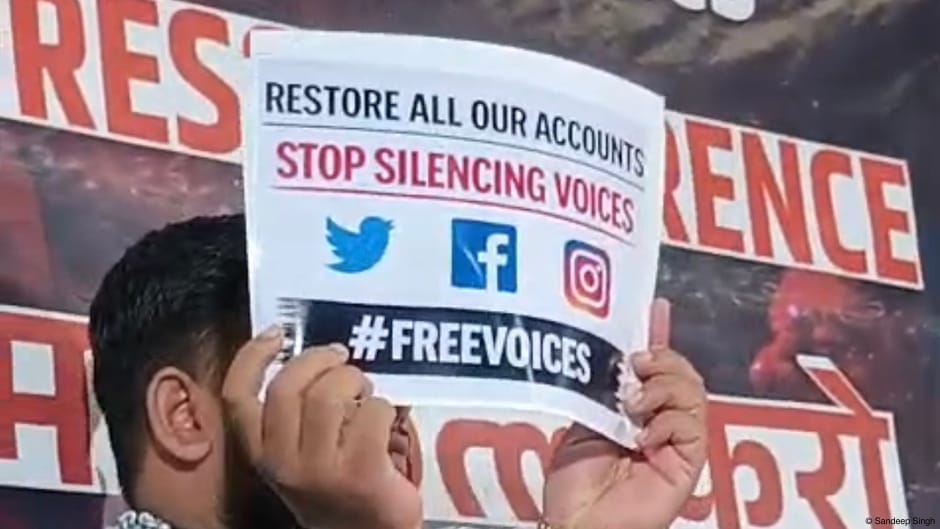
India’s Three-Hour Takedown Rule Fuels Surge in Silent Social Media Restrictions After “Cockroach” Protests
Independent journalists, political cartoonists, and small digital creators in India report a sharp rise in silent content blocks across Instagram and X following youth-led protests by the satirical Cockroach Janata Party (CJP), according to a November 18, 2026 report by Deutsche Welle. At the center of the dispute are February 2026 amendments to India's Information Technology Rules, which slashed the deadline for platforms to strip flagged material from 36 hours down to just three hours—exposing social networks to liability loss if they fail to comply with takedown orders routed through the government's Sahyog portal. ### How a Satirical Movement Triggered a Digital Dragnet What began as online mockery quickly spilled onto New Delhi's streets. As Indian outlets *The Hindu* and *The News Minute* documented earlier this year, the Cockroach Janata Party was launched in May 2026 by 30-year-old strategist Abhijeet Dipke after Chief Justice of India Surya Kant drew widespread backlash for referring to certain online critics and petitioners as "cockroaches" and "parasites" during a court hearing. Reclaiming the label under the slogan "Voice of the Lazy & Unemployed," CJP satirized Prime Minister Narendra Modi's ruling Bharatiya Janata Party (BJP) while mobilizing youth anger over unemployment and exam-paper leaks such as NEET-UG 2026. According to *The Hindu*, CJP's site amassed nearly one million sign-ups and over 600,000 petition signatures demanding the education minister's resignation before its website was abruptly taken down on May 23 and its X handle was withheld in India. By July, street demonstrations in New Delhi drew police batons and tear gas—and set off a wider wave of restrictions against third-party commentary. ### Three-Hour Deadlines, Sahyog Notices, and Automated Self-Censorship Interviews gathered by Deutsche Welle illustrate how opaque the enforcement pipeline has become. Independent journalist Sadhika Tiwari said her July 20 clip of a crying young girl describing alleged police brutality racked up roughly 10 million views in hours before being restricted inside India. Small creator "CitySavitri," who had roughly 600 Instagram followers, saw a video examining the Hindu nationalist RSS's role in the BJP's electoral rise restricted within an hour of upload, while political cartoonist Satish Acharya had his Instagram profile blocked twice. Even established digital outlet Maktoob Media—whose X handle had previously been withheld without notice during India–Pakistan tensions—told DW its July protest coverage was restricted without prior explanation or official email. Legal and digital-rights specialists point directly to February's overhaul of the IT Rules under Section 79 of India's IT Act. Technology policy adviser Pranesh Prakash told DW that the amended framework lets authorized police officials notify platforms of allegedly unlawful content via the centralized Sahyog portal without filing formal charges or initiating court proceedings—creating what he called "the worst period of social media censorship that India has ever seen." Because platforms lose legal safe harbor if they miss the three-hour removal window, companies like Meta increasingly deploy automated tools to pre-emptively geo-block flagged posts inside India. In a revealing test, the Software Freedom Law Center, India (SFLC.in) reported submitting a mock takedown request against its own post using a fake email address; X initially logged the request before adding email verification codes after being alerted. ### New Delhi's Official Defense Versus Constitutional Friction Indian authorities flatly reject accusations of political censorship. Responding earlier to DW, Information Technology Ministry communications chief Vinod Kumar stated that student and protest posts were not being systematically removed, maintaining that "media enjoys freedom in India" and that action is restricted to "objectionable" or unlawful material affecting public order or national security. Meta similarly pointed users to its standard appeal channels and legal-compliance policies, while X offered no comment. Yet as *The News Minute* noted in its constitutional analysis, forcing intermediaries to choose between three-hour takedowns and criminal or civil liability pushes the burden of speech policing onto opaque algorithms and unverified administrative notices. Without public disclosure of Sahyog takedown volumes or prior judicial review, Indian creators and newsrooms are left guessing whether a satirical cartoon or street report vanished due to a police directive, a corporate bot, or quiet self-censorship. ### Sources & Further Reading - [Deutsche Welle (November 18 investigation into CJP-era takedowns, Sahyog, and Meta/IT Ministry responses)](https://www.dw.com/en/india-online-censorship-grows-after-cockroach-protests/a-79976982) - [The Hindu (Indian national coverage of CJP website takedown and founder Abhijeet Dipke)](https://www.thehindu.com/news/national/crackdown-on-cockroach-janta-party-access-to-all-accounts-lost-says-founder-abhijeet-dipke/article71014074.ece) - [The News Minute (Indian legal and free-speech analysis of the CJP crackdown)](https://www.thenewsminute.com/opinion/un-crushed-cockroaches-censorship-only-multiplies-dissent) ~India ~Censorship ~DigitalRights ~WorldNews