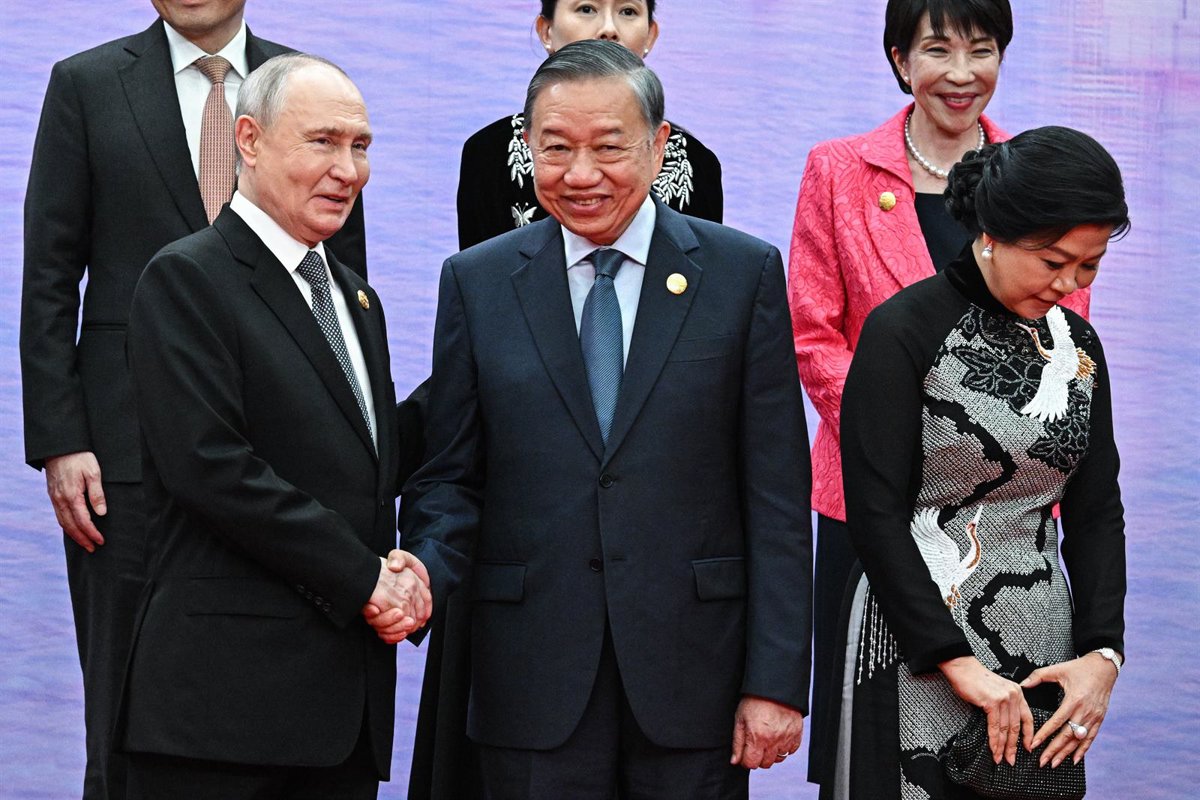
Japan’s Takaichi and Russia’s Putin Hold First Face-to-Face Talks in Seven Years Amid Deep Freeze
Japanese Prime Minister Sanae Takaichi and Russian President Vladimir Putin held a rare, 30-minute bilateral meeting on Wednesday on the sidelines of the Asia-Pacific Economic Cooperation (APEC) summit in Shenzhen—breaking seven years of leader-level silence in an atmosphere described by diplomatic observers as one of profound chill. Neither government issued a joint communiqué afterward, underscoring just how narrow and contentious the agenda remains between two neighbors technically still without a formal World War II peace treaty. The encounter marked the first face-to-face talks between a Japanese prime minister and Putin since Shinzo Abe met the Russian leader in Vladivostok in September 2019, and the first direct contact since Russia’s full-scale invasion of Ukraine in 2022 triggered sweeping Japanese sanctions and retaliatory Kremlin measures. Coming on the eve of Thursday’s unprecedented [trilateral summit between Donald Trump, Xi Jinping, and Putin](https://www.mushimu.com/post/9592) in the same Chinese port city, Takaichi’s decision to sit down with Putin reflected urgent consular and commercial pressures rather than any broader diplomatic thaw. ### Why Tokyo Forced a Pull-Aside: A Detained Reporter and Corporate Assets Details of the closed-door exchange emerged almost exclusively through Japanese government briefings to domestic media. As reported by [Demócrata](https://www.democrata.es/en/international/putin-and-takaichi-hold-their-first-face-to-face-meeting-in-seven-years-in-a-climate-of-maximum-diplomatic-coldness/) and [Nippon.com](https://www.nippon.com/en/articles/-/57581), while the war in Ukraine was raised, Takaichi devoted the core of the half-hour session to demanding the immediate release of Yuki Imai, a correspondent for the regional daily *Hokkaido Shimbun*. Russian authorities arrested Imai in Sakhalin in the Russian Far East on October 13 on suspicion of espionage, transferring him to custody in Moscow under allegations that he gathered classified information from military personnel stationed in the disputed Kuril Islands—known in Japan as the Northern Territories. For Tokyo, the case strikes directly at an unresolved sovereignty nerve center. Relations had already deteriorated sharply over Russia’s refusal to continue peace-treaty negotiations and over Putin’s visit to the contested archipelago earlier this year. Alongside Imai’s detention, Takaichi also pressed Moscow over state pressure on Japanese corporate holdings in Russia, notably the status of Japan Tobacco Inc.’s local operations—an issue Japanese officials signaled ahead of the summit they intended to raise directly with the Kremlin. Before the leaders arrived in Guangdong, Kremlin spokesman Dmitry Peskov had told Russian state news agency TASS only that Moscow did not rule out brief contact, keeping expectations deliberately minimal. ### Diplomatic Ice on Two Fronts in Shenzhen Takaichi’s Shenzhen itinerary illustrates the unusually tight diplomatic squeeze facing Tokyo across Northeast Asia. As noted by [Japan Forward](https://japan-forward.com/apec-summit-opens-shenzhen-putin-arrives-us-china-russia-talks/) and China’s state-affiliated [Global Times](https://www.globaltimes.cn/page/202611/1374546.shtml), the 33rd APEC Economic Leaders’ Meeting marks Takaichi’s first trip to mainland China as prime minister, as well as Putin’s first in-person APEC appearance since the 2017 Da Nang summit nine years ago. Yet while Beijing rolled out senior Politburo Standing Committee member Cai Qi to greet Putin at the airport ahead of Xi–Putin and Trump–Xi–Putin talks, no formal bilateral meeting between Takaichi and Chinese President Xi Jinping had been scheduled. That freeze stems directly from Takaichi’s hawkish posture on regional security—most notably her warning a year ago that a Chinese military assault on Taiwan would pose a crisis warranting intervention by Japan’s Self-Defense Forces. In a summit where Washington, Beijing, and Moscow are openly staging great-power talks that commentators have already compared to a "New Yalta," Japan’s leader finds herself managing hostile, unscripted friction with both Eurasian nuclear powers at once. ### What Comes After Thirty Minutes Without a Communiqué The absence of a shared readout from Moscow or Tokyo suggests neither side secured a breakthrough on Wednesday. For Putin, granting a brief sideline meeting lets the Kremlin demonstrate it is not diplomatically isolated among G7 economies even while maintaining its legal posture on the Kurils and wartime sanctions. For Takaichi, raising Imai’s detention face-to-face was a domestic necessity—particularly given *Hokkaido Shimbun*’s prominence in northern Japan, where the Northern Territories dispute carries acute political weight. Whether Moscow treats Imai’s case as an opening for a quiet consular bargain or as long-term leverage against Tokyo’s Ukraine sanctions will reveal if thirty minutes in Shenzhen changed anything beyond the optics. ### Sources & Further Reading - [Demócrata (Spain / Agencies)](https://www.democrata.es/en/international/putin-and-takaichi-hold-their-first-face-to-face-meeting-in-seven-years-in-a-climate-of-maximum-diplomatic-coldness/) - [Nippon.com / Jiji Press (Japan)](https://www.nippon.com/en/articles/-/57581) - [Japan Forward (Japan)](https://japan-forward.com/apec-summit-opens-shenzhen-putin-arrives-us-china-russia-talks/) - [Global Times (China)](https://www.globaltimes.cn/page/202611/1374546.shtml) ~WorldNews ~Japan ~Russia ~APEC ~Diplomacy