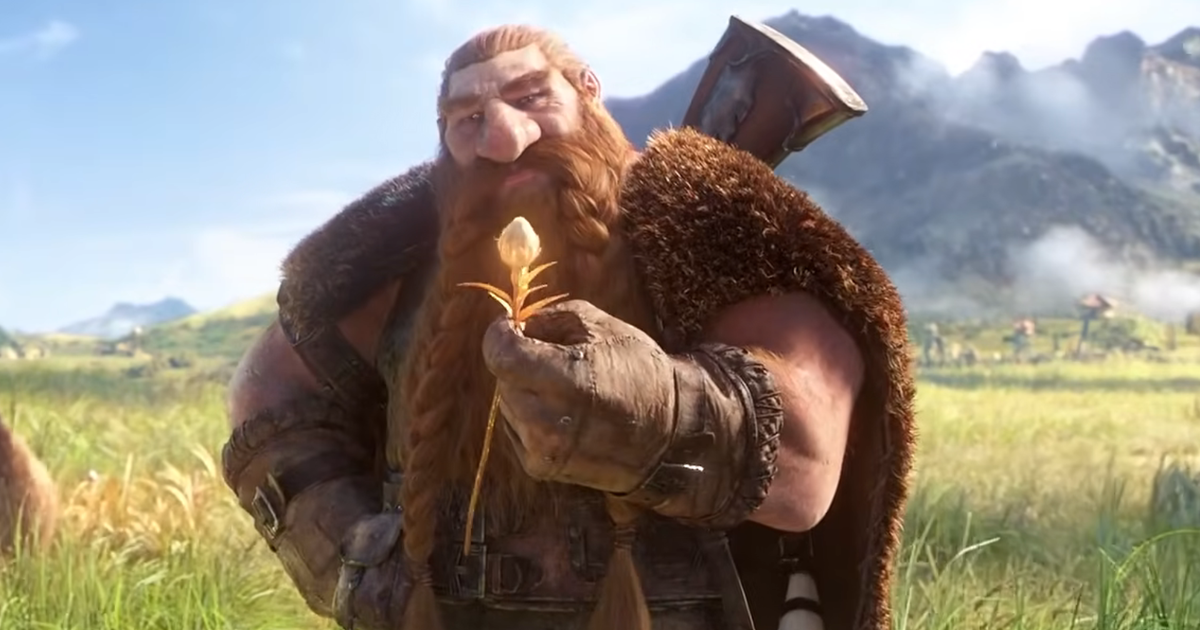
Four days after opening the gates to an alternate, pre-Cataclysm Azeroth, Blizzard Entertainment confirmed that *World of Warcraft: Forever* has achieved the largest launch in the franchise’s twenty-two-year history by peak concurrent players. Surpassing the historic peaks of landmark expansions including *The Burning Crusade*, *Wrath of the Lich King*, and 2020’s *Shadowlands*, the permanent Classic Plus release has rewritten the commercial trajectory of the venerable MMORPG. More significantly for the long-term health of the ecosystem, executive producer and Blizzard vice president Holly Longdale revealed that the launch attracted the highest volume of completely new, first-time players seen in fifteen years, marking a demographic renewal that the studio had struggled to achieve across a decade of retail expansions.
The commercial surge marks the culmination of an editorial arc that began at BlizzCon 2026, when senior game director Ion Hazzikostas and lead Classic designer Tim Jones formally unveiled the project following months of community datamining under the internal moniker Project Camelot ([post #20](https://www.mushimu.com/post/20)). Rather than cycling players through another automated progression loop into subsequent expansions, *Forever* establishes a permanent, parallel branch of Warcraft history set between the fall of Lordaeron and the opening of the Molten Core. With a hard level cap of 60, the launch build introduces three wholly original continental zones, over 1,000 newly scripted quests, nine bespoke dungeons, two flexible raids supporting 10- and 20-player group sizes, and the avian Skyborne playable race. Crucially, Blizzard bundled full access directly into the existing $14.99 monthly World of Warcraft subscription, removing the traditional $50 to $90 upfront box fee that historically deterred curious outsiders.
Behind the record-shattering player numbers lies an unprecedented distributed systems operation that spared *Forever* the catastrophic server meltdowns that defined World of Warcraft’s 2004 debut and the multi-hour queue bottlenecks of Classic’s 2019 revival. Blizzard infrastructure telemetry revealed that the global launch was powered by a dynamically orchestrated cloud architecture deploying 3,924 virtual machines, 70,480 dedicated CPU cores, and over 251,136 gigabytes (251 terabytes) of system memory. By coupling Battle.net’s modernized microservice authentication mesh with automated cross-realm layering, lead software engineer Nora Mills’ engineering group managed to maintain stable sub-50ms tick rates across crowded starting zones without shattering local realm social identity. While high-population realms in North America and Western Europe briefly instituted controlled queue throttles to prevent database lock contention during the November 4 opening hour, catastrophic disconnects and realm crashes were almost entirely absent.
The influx of brand-new players highlighted by Longdale points to a profound psychological shift in the multiplayer gaming landscape. For over a decade, retail *World of Warcraft* has struggled with systemic feature bloat and intimidating cognitive barriers. Modern retail endgame revolves around hyper-optimized Mythic+ dungeon timers, twenty years of disjointed timeline lore, bloated action bars requiring external WeakAuras overlays, and accelerated leveling tracks that shuttle newcomers from tutorial islands to maximum level within a single afternoon without teaching basic spatial awareness or group etiquette.
In sharp contrast, *World of Warcraft: Forever* returns to the grounded friction that originally made Azeroth a cultural phenomenon. Combat is deliberate, resource management matters, and the world itself acts as the primary antagonist. An uncommon green-quality weapon drop in Westfall or the Barrens delivers tangible character empowerment, while group questing requires active chat communication rather than automated matchmaking queues. By stripping away two decades of accrued mechanical friction while retaining modern graphics rendering, full accessibility remapping, and refined class talent trees, Blizzard has successfully positioned the original vanilla map as an approachable, self-contained virtual world rather than a high-stress competitive chore.
That deliberate design philosophy was tested almost immediately during the launch weekend by competitive PvP balance. On Friday, November 6, Blizzard pushed *Forever*’s first major hotfix patch to extinguish an unintended physics loophole in Warsong Gulch. Players discovered that Tauren characters carrying the Warsong flag could trigger an exploit involving their native Plainsrunning mobility trait, accelerating to mounted travel speeds while holding the objective and rendering Horde flag-carriers virtually uncatchable by Alliance defenders. The rapid deployment of the server-side hotfix without requiring client downtime demonstrated the agility of Blizzard's modernized deployment pipeline, preventing the competitive exploit from souring the opening weekend battlegrounds.
From an industry perspective, *World of Warcraft: Forever* validates the long-term viability of the permanent horizontal progression model pioneered by Jagex’s *Old School RuneScape*. Rather than obsoleting previous content with vertical gear resets every eighteen months, horizontal live services expand the breadth of the original sandbox, preserving world relevance and player time investment. As Blizzard prepares to roll out its Phase 1 raid schedule alongside unreleased legacy dungeons like the original Karazhan Crypts layout, the record launch of *Forever* demonstrates that in an era dominated by seasonal battle passes and ephemeral extraction shooters, the enduring allure of a shared, persistent virtual continent remains unmatched.
~Gaming ~WorldOfWarcraft ~Blizzard ~MMORPG ~PCGaming