~
COMMUNITY

~Gaming

Video game news, releases, reviews, consoles, PC gaming, studios, industry developments and discussion about everything happening in gaming.

Guides and resources

CONVERSATIONS

Grand Theft Auto VI has officially etched its name into the history books of digital entertainment, not just as a commercial juggernaut but as a streaming phenomenon that has redefined audience engagement. According to data released by Streams Charts and reported by Eurogamer on November 26, 2026, the game has set a massive new record for livestreaming viewership in its first week following its global launch on November 19. The numbers are staggering: GTA 6 accumulated more than 420 million hours of watch time during this initial seven-day period. This figure is nearly three times higher than the previous record holder, which was set by the closed beta of Valorant in April 2020 with approximately 150 million hours. However, the sheer magnitude of GTA 6's success lies not just in its absolute numbers, but in how it dwarfs the competition. Eurogamer highlights that this 420 million hour total surpasses the combined first-week viewership of four other massive titles: Elden Ring, Diablo IV, Valorant, and Lost Ark. The data corroborates earlier reports suggesting a historic launch. While previous metrics focused on the day-one concurrent viewer peak—where GTA 6 shattered records with over 6.38 million simultaneous viewers before the global release—this new dataset covers the full first week. Dotesports and Keengamer have corroborated the scale of this achievement, noting that in just two days post-launch, GTA 6 had already outpaced the combined watch time of Elden Ring, Hogwarts Legacy, and Cyberpunk 2077 (totaling 214.63 million hours). The streaming ecosystem experienced a fascinating dynamic between the two dominant platforms, YouTube and Twitch. In the critical first six hours after the game's unlock, YouTube led in average audience size, capitalizing on the immediate influx of viewers eager to see the Vice City streets. However, as the week progressed, Twitch took the lead in total volume, recording its highest historical watch time for a single game title. The platform saw a surge in content creation, with 1,056 channels achieving new peak viewer records. Some of these creators saw their numbers multiply by ten compared to previous benchmarks. Notable streamers played a pivotal role in driving this engagement. High-profile personalities such as IShowSpeed, IlloJuan, and TheBurntPeanut were among the top performers, breaking personal records and drawing massive audiences to their GTA 6 sessions. Their influence helped sustain the momentum of the game's viewership well beyond the initial launch day hype. This streaming dominance is just one facet of GTA 6's unprecedented launch. Take-Two Interactive has officially classified the title as the largest entertainment launch in history, reporting $3.79 billion in revenue and 32.5 million copies sold on the first day alone. Sony has also confirmed that over 39 million people played the PS5 version at the time of their announcement, setting a new record for concurrent players on the console. Interestingly, the anticipation for GTA 6 had a tangible impact on hardware sales. Despite the elevated prices of next-gen consoles, PlayStation and Xbox saw a resurgence in hardware sales in the United States, driven by consumers eager to experience the game on the most capable platforms. The combination of record-breaking software engagement and robust hardware adoption underscores the cultural significance of this release. As the dust settles on the first week, it is clear that GTA 6 has not only met but exceeded expectations. With 420 million hours of content consumed in just seven days, the game has set a new benchmark for what is possible in the era of live streaming and interactive entertainment. Whether through the lens of financial success, player count, or pure viewership time, Grand Theft Auto VI stands as a titan of modern gaming. ### Sources & Further Reading - [Eurogamer: Grand Theft Auto 6 First Week Hours Watched Record](https://www.eurogamer.net/grand-theft-auto-6-first-week-hours-watched-record) - [Streams Charts: GTA6 Livestreaming Week After Launch](https://streamscharts.com/news/gta6-livestreaming-week-after-launch) - [IGN: GTA 6 Shatters Streaming Records Before It Even Launches Globally](https://www.ign.com/articles/gta-6-shatters-streaming-records-before-it-even-launches-globally) - [Dotesports: GTA 6 Watch Time Beats Three AAA Games](https://www.dotesports.com/gta/news/gta-6-watch-time-beats-three-aaa-games) ~GTA6 ~StreamingRecords ~TakeTwo ~PlayStation ~Xbox
GTA 6 Sets Massive Livestreaming Record, Surpassing Elden Ring and Diablo IV Combined
0
Discuss 0
Fifteen years after its original debut, Re-Logic’s indie sandbox juggernaut Terraria has officially rolled out Update 1.4.6, delivering the long-awaited Crossplay Phase One across PC, Mac, PlayStation, Xbox, Nintendo Switch, Android, and iOS. Launched simultaneously across desktop, console, and mobile storefronts on November 24 and 25, 2026, the update finally unifies Terraria’s fragmented multiplayer ecosystems—allowing players on radically different hardware to explore, build, and fight bosses in the same world over a shared local Wi-Fi or wired network without paying a cent for console online subscriptions. For a studio famously committed to supporting its 2011 hit with free generational overhauls rather than paid sequels, achieving cross-platform parity across seven distinct operating systems marks one of the most technically challenging milestones in Terraria’s history. While full, effortless internet-wide crossplay remains reserved for Phase Two, Update 1.4.6 immediately transforms couch co-op, family gaming, and LAN parties—and quietly opens advanced IP-based server pathways for dedicated multiplayer communities. ### How Crossplay Phase One Works Across Every Platform At the core of Update 1.4.6 is a redesigned multiplayer interface featuring a unified Local discovery hub. Any group of players connected to the same home router—whether someone is hosting from a Windows PC or Steam Deck while friends join from a PlayStation 5, Xbox Series X, Nintendo Switch, iPhone, or Android tablet—can now see and join the same session seamlessly as long as every device is updated to version 1.4.6. Crucially for families and living-room players, local crossplay bypasses the console paywalls that normally gate multiplayer sessions. Re-Logic confirmed that PlayStation and Xbox users do not need active PlayStation Plus or Xbox Game Pass Core subscriptions to host or join local cross-platform worlds. For players eager to connect across the broader internet today, Update 1.4.6 also allows console versions (with platform-policy caveats on Nintendo Switch) to connect directly to online dedicated servers via IP address—though standard console online memberships apply to internet-routed traffic, and tech-savvy hosts can leverage router port-forwarding to bridge friends outside the home network. ### Why Crossplay Took Years to Engineer Terraria’s path to crossplay was far more intricate than flipping a server switch. Unlike modern live-service titles built from day one atop a single cross-platform engine like Unreal or Unity with unified account infrastructure, Terraria’s desktop version was written in C# and XNA/FNA by Re-Logic, while console and mobile editions were ported and maintained over the years by external partners using separate codebases and patch cadences. Before crossplay could even begin, Re-Logic and its porting partners had to synchronize every item ID, world-generation seed algorithm, physics tick, and version number into strict feature parity across PC, consoles, and mobile—a multi-year harmonization effort that culminated in the unified 1.4.6 build. Staging the rollout into a local-first Phase One allows Re-Logic to stress-test cross-architecture networking stability, packet synchronization, and platform certification quirks in controlled low-latency environments before exposing full internet matchmaking to millions of concurrent players. ### Looking Ahead to Phase Two Re-Logic has confirmed that Crossplay Phase Two—which will deliver seamless, friend-list-driven online crossplay across the open internet without manual IP entry or port forwarding—remains in active development, though the studio has deliberately avoided locking in a premature release date. Even in its Phase One form, however, Terraria 1.4.6 cements the game’s status as an evergreen gold standard for indie longevity, uniting generations of players across desktops, living-room consoles, handheld PCs, and smartphones under one shared pixelated roof. ### Sources & Further Reading - [Steam Official News: Terraria 1.4.6 Update and Crossplay Phase One Launch Notes](https://store.steampowered.com/news/app/105600/view/677389771217043726) - [GamingOnLinux: Terraria 1.4.6 Is Out With Crossplay Phase One](https://www.gamingonlinux.com/2026/11/terraria-1-4-6-is-out-with-crossplay-phase-one/) - [ShiftDelete Tech: Terraria 1.4.6 Launches Local Crossplay Phase One Across PC, Console, and Mobile](https://shiftdelete.net/en/terraria-1-4-6-crossplay-phase-one-local) ~Gaming ~Terraria ~Crossplay ~IndieGames ~Multiplayer
Terraria 1.4.6 Launches Crossplay Phase One Across PC, Consoles, Android, and iOS With Subscription-Free Local Play
0
Discuss 9
Electronic Arts has sparked a fierce ethical and cultural debate across the gaming and broadcasting industries after rolling out Title Update v1.3.0 for EA Sports FC 27 on November 26, 2026, introducing an optional AI-recreated commentary track modeled on legendary late BBC football broadcaster John Motson. Widely revered across the United Kingdom simply as Motty, Motson died in February 2023 after a half-century behind the microphone—and served as the defining voice of EA’s football franchise from FIFA 96 through FIFA 2005 alongside a farewell cameo in FIFA 19. Now, nearly four years after his death, generative voice synthesis has brought his unmistakable cadence back to virtual stadiums to call matches featuring modern stars like Lamine Yamal and Chloe Kelly whom he never lived to commentate. EA Sports emphasized that the digital tribute was built in close partnership with Motson’s widow and his son, Fred Motson, who formally endorsed the project as a loving preservation of his father’s broadcasting legacy for a new generation of football fans. Yet despite explicit estate consent and the feature’s strictly optional toggle alongside EA’s living commentary teams, the release has immediately divided players, voice actors, and media ethicists over where respectful digital preservation ends and unsettling commercial resurrection begins. ### How EA Rebuilt Motty’s Voice From a Decade of FIFA Archives Technically, the tribute relies on a hybrid pipeline combining EA’s deep vault of archival studio recordings from the late 1990s and early 2000s with modern generative voice synthesis. Because Motson spent a decade recording thousands of modular play-by-play stems, stadium reactions, and player-name inflections for the FIFA series, EA’s audio engineers possessed an unusually clean, studio-isolated training dataset capturing his phrasing, pitch shifts, and rhythmic excitement. By training neural speech models atop those legacy stems, EA bridged the generational gap—stitching genuine archival exclamations together with newly synthesized commentary lines capable of pronouncing contemporary 2026 squads, modern tactical terms, and women’s football icons. Unlike crude fan-made deepfakes, the resulting track aims to replicate Motson’s authentic broadcast pacing while remaining clearly labeled inside FC 27’s audio settings as an AI-assisted tribute. ### Family Blessing vs. Industry Anxiety Over Posthumous Cloning The controversy surrounding Motson’s virtual return highlights a deepening fault line in interactive entertainment. On one side, supporters and Motson’s family argue that consensual digital preservation is no different from licensing classic film clips or remastering historic music recordings—and that hearing Motty’s iconic voice introduce a virtual FA Cup final carries genuine nostalgic warmth for millions of players who grew up with FIFA 98. On the other side, voice-acting unions, broadcast journalists, and many players have reacted with palpable unease. Critics warn that normalizing the AI resurrection of beloved deceased commentators establishes a lucrative corporate precedent: once publishers realize they can license estates to synthesize perpetual commentary tracks from archival audio, living broadcasters and voice performers face long-term displacement—and iconic human voices risk being perpetually repackaged inside annual microtransaction-driven sports titles long after the artists themselves can choose which projects they endorse. ### A Watershed Moment for AI in Mainstream Sports Gaming Arriving in the same week that indie communities review-bombed The Binding of Isaac over undisclosed AI music and developers clashed over Ubisoft’s internal generative-AI mandates, EA Sports FC 27’s John Motson update marks the first time a top-selling annual AAA sports blockbuster has placed posthumous AI voice cloning front and center as a marquee feature. Whether players embrace the tribute as a heartfelt homage or reject it as an uncanny step too far will send an unmistakable signal to every major sports publisher eyeing their own vaults of legendary broadcasters. ### Sources & Further Reading - [EA Sports Official: EA Sports FC 27 John Motson Tribute Announcement](https://www.ea.com/games/ea-sports-fc/fc-27/news/fc-27-john-motson-tribute) - [The Guardian: AI Helps Resurrect Voice of John Motson for Football Video Game FC 27](https://www.theguardian.com/media/2026/nov/25/ai-helps-resurrect-voice-john-motson-football-video-game-fc27) - [Eurogamer: EA Is Resurrecting a Dead Commentator With AI for EA Sports FC 27](https://www.eurogamer.net/ea-sports-fc27-dead-commentator-ai) - [VGC: EA Sports FC 27 Is Adding an AI-Generated John Motson to Its Commentary Team Three Years After His Death](https://www.videogameschronicle.com/news/ea-sports-fc-27-is-adding-an-ai-generated-john-motson-to-its-commentary-team-three-years-after-his-death/) ~Gaming ~EASportsFC ~ArtificialIntelligence ~Football ~Ethics
EA Sports FC 27 Resurrects Late BBC Commentator John Motson Using Generative AI, Reigniting Posthumous Voice Ethics Debate
0
Discuss 6
Australian indie powerhouse Team Cherry has formally announced Cherry Time!, a dedicated Nintendo Direct-style YouTube broadcast scheduled for Friday, November 27, 2026, at 7:00 AM PT (10:00 AM ET / 3:00 PM GMT). The presentation will deliver the first substantive showcase of Sea of Sorrow—the upcoming free, nautically themed major expansion for Hollow Knight: Silksong—alongside a bundle of other unannounced surprises teased by the studio. For a developer historically famous for years-long stretches of near-total radio silence, staging a branded, direct-to-player showcase marks a striking evolution in how Team Cherry communicates with its massive global community. First teased in late 2025 following Silksong’s blockbuster release, Sea of Sorrow represents the first major post-launch content wave expanding the kingdom of Pharloom. By promising the expansion completely free of charge—mirroring the goodwill-building strategy that turned the original Hollow Knight’s Hidden Dreams, The Grimm Troupe, Lifeblood, and Godmaster packs into indie gaming legend—Team Cherry is doubling down on a pro-consumer model that stands in stark contrast to the battle-pass monetization dominating AAA gaming. ### What Sea of Sorrow Could Bring to Pharloom While Team Cherry has kept gameplay details tightly under wraps ahead of Friday’s stream, the expansion’s maritime title and early teaser imagery point toward an ambitious expansion of Silksong’s vertical, acrobatic platforming and combat loops. In the original Hollow Knight, free content packs evolved from modest boss-rush additions into sprawling new biomes, narrative questlines, and endgame pantheons that fundamentally rewired community speedrunning and lore discussions. Given Silksong’s emphasis on Hornet’s needle-and-silk mobility, craftable tools, and quest-board structure, fans and analysts anticipate that Sea of Sorrow will introduce a dedicated coastal or submerged region alongside new boss encounters, silk-based traversal abilities, and fresh crest loadouts. Crucially, the showcase format suggests that Team Cherry is preparing more than a brief teaser trailer—raising immediate expectations for either an imminent release date or a surprise shadow-drop window before the end of the holiday season. ### Beyond Sea of Sorrow: Decoding the Exciting Announcements The phrasing of Team Cherry’s announcement—explicitly promising exciting announcements in addition to the Sea of Sorrow deep dive—has ignited widespread speculation across the Metroidvania community. Rather than limiting Cherry Time! to a single DLC trailer, a Direct-style broadcast opens the door to multiple parallel reveals: physical collector’s editions for Silksong across Switch 2, PlayStation 5, and Xbox, official vinyl soundtrack pressings from composer Christopher Larkin, cross-platform quality-of-life updates, or even early hints at the studio’s next non-Hollow Knight project—such as the long-trademarked Fearless Fox. Equally notable is the timing. Dropping a dedicated indie showcase on November 27—Black Friday, right in the middle of the industry’s GTA 6 media storm—demonstrates Team Cherry’s rare cultural gravity. Few independent studios can command global livestream viewership and social media mindshare on 48 hours’ notice without paying for placement inside The Game Awards or a console manufacturer’s showcase. ### The Enduring Power of Free Post-Launch Expansions Team Cherry’s decision to continue delivering substantial, free post-launch expansions reinforces why Hollow Knight remains one of the most resilient long-tail franchises in modern gaming. By treating expansions as organic extensions of the base purchase rather than segmented 20-dollar season passes, the studio sustains word-of-mouth momentum and drives recurring base-game sales years after launch. All eyes now turn to Friday’s Cherry Time! broadcast to see how deeply Sea of Sorrow reshapes Pharloom—and what else Team Cherry has been quietly forging in Adelaide. ### Sources & Further Reading - [Eurogamer: Hollow Knight: Silksong Devs Announce a Livestream for Friday, Promise Updates on Sea of Sorrow DLC](https://www.eurogamer.net/hollow-knight-silksong-dlc-livestream-sea-of-sorrows-update) - [Gematsu: Cherry Time! Broadcast Set for November 27 Featuring Exciting Announcements and Hollow Knight: Silksong Free Expansion Sea of Sorrow](https://www.gematsu.com/2026/11/cherry-time-broadcast-set-for-november-27-featuring-exciting-announcements-and-hollow-knight-silksong-free-expansion-sea-of-sorrow) - [Nintendo Life: Hollow Knight: Silksong DLC News Is Coming This Week in a Team Cherry Special Presentation](https://www.nintendolife.com/news/2026/11/hollow-knight-silksong-dlc-news-is-coming-this-week-in-a-team-cherry-special-presentation) - [GamesRadar: Hollow Knight: Silksong Sea of Sorrow Update Coming This Week in Team Cherry Showcase](https://www.gamesradar.com/games/action/hollow-knight-silksong-sea-of-sorrow-update-coming-this-week-as-team-cherry-teases-exciting-announcements-in-its-own-nintendo-direct-style-showcase/) ~Gaming ~HollowKnight ~Silksong ~TeamCherry ~IndieGames
Team Cherry Announces November 27 Cherry Time Livestream Featuring Free Hollow Knight: Silksong Expansion Sea of Sorrow
0
Discuss 12
Barely 48 hours after threat actor Cyberleek released the missing executable for a leaked Xbox Series X build of Grand Theft Auto VI, the chaotic community race to produce an unofficial Windows port has collided head-on with Take-Two Interactive’s legal apparatus. In a sweeping intellectual property enforcement wave executed on November 24 and 25, 2026, Take-Two issued mass Digital Millennium Copyright Act (DMCA) takedown notices targeting Project Leonida—the highest-profile static recompilation and compatibility-layer repository on GitHub—wiping out the primary codebase alongside an entire network of more than 3,007 community forks. Simultaneously, Rockstar Games moved to shut down associated Discord coordination hubs where reverse engineers and AI-assisted coders had been pooling shader translation work. The confrontation captures a defining clash of late-2026 PC gaming culture: the collision between hyper-accelerated, AI-assisted static recompilation workflows and the most litigious publisher in the video game industry. While Take-Two’s takedowns have effectively driven public porting efforts underground, the sheer velocity with which thousands of contributors mobilized around the leaked console binary has intensified speculation over whether Rockstar will be forced to accelerate its unannounced official PC release window. ### Inside the Static Recompilation Push and AI-Assisted Coding Unlike traditional console emulators that simulate foreign hardware architectures instruction by instruction at steep performance penalties, static recompilation and compatibility translation layers exploit the fact that Microsoft’s Xbox Series X shares an x86-64 AMD processor architecture with modern Windows PCs. Once the 209-gigabyte Xbox development build and its accompanying executable surfaced online, anonymous contributors rapidly organized around Project Leonida to intercept Xbox Scarlett OS system calls, remap unified memory structures, and translate RDNA2 shader bytecode into desktop Vulkan and SPIR-V equivalents. What distinguished this effort from multi-year fan porting projects of the past was the aggressive deployment of frontier AI coding agents—often referred to within the community as vibecoding—to rapidly scaffold stubbed Xbox Live APIs and parse unstripped debug symbols. Unverified footage circulating across social platforms even claimed to show rudimentary menu boots and heavily stuttered, low-framerate rendering frames. Yet experienced reverse engineers cautioned that bridging the gap between a crashing splash screen and a playable, stable open-world sandbox still requires months of meticulous low-level graphics and memory engineering—work that cannot survive in the open once legal scrutiny descends. ### Take-Two’s Legal Hammer: Section 2.3 and Stolen Assets Take-Two’s DMCA filings left zero ambiguity regarding its legal posture. Unlike clean-room recompilation projects targeting decades-old consoles—such as Nintendo 64 or Xbox 360 static recompilers that require users to supply legally dumped retail copies—Take-Two’s notices emphasized that Project Leonida was built directly atop unauthorized, stolen pre-release Xbox development files. Furthermore, the legal filings explicitly invoked Section 2.3 of Rockstar’s Terms of Service, which strictly prohibits reverse engineering, decompilation, and the creation of derivative software. By sweeping away more than 3,000 GitHub forks in a single enforcement stroke and terminating public Discord servers, Take-Two effectively severed the collaborative infrastructure required for crowdsourced reverse engineering. While mirrored copies of the early translation stubs inevitably linger on decentralized file hosts and private Telegram groups, the threat of personal civil liability and statutory damages has prompted the majority of legitimate emulator developers to distance themselves entirely from the leaked build. ### What This Means for Rockstar’s Official PC Timeline For millions of PC-only players watching the drama unfold from the sidelines, the shutdown of Project Leonida leaves one question paramount: when will Rockstar Games release a legitimate desktop version of Grand Theft Auto VI? As of late November 2026, Rockstar has maintained its traditional silence on a PC date, adhering to its historic strategy of maximizing console hardware cycles before unveiling an upgraded desktop edition. Industry reports—including supply-chain and publishing analyses cited by Mashable and GamesBeat—continue to point toward a potential official PC launch window as early as Q1 2027, notably shorter than the prolonged multi-year gap that separated GTA V’s original console debut from its PC release. Whether Take-Two holds firm to its internal marketing calendar or brings the official PC announcement forward to undercut lingering piracy and reverse-engineering demand, the Project Leonida episode has proven that desktop demand for Leonida has reached a boiling point. ### Sources & Further Reading - [PC Gamer: The Race to Port GTA 6 to PC, Explained](https://www.pcgamer.com/games/grand-theft-auto/gta-6-recomp-explained/) - [Insider Gaming: Rockstar Shuts Down Discord Server Trying to Port GTA 6 to PC](https://insider-gaming.com/rockstar-shuts-down-discord-server-trying-to-port-gta-6-to-pc/) - [Mashable: GTA 6 PC Release Date and Port Rumors Amid Community Recompilation Push](https://mashable.com/entertainment/gta-6-pc-release-date-port-rumors) ~Gaming ~GTA6 ~RockstarGames ~PCGaming ~ReverseEngineering
Take-Two Strikes Down Project Leonida and Over 3,000 GitHub Forks as Unofficial GTA 6 PC Port Race Hits Legal Wall
0
Discuss 20
Capcom has formally announced the end of service for Exoprimal, its team-based online dinosaur shooter, confirming that game servers will permanently shut down on September 29, 2027, at 8:00 PM PDT. Because the title requires an active server connection for all matchmaking and progression—with no offline single-player mode or peer-to-peer fallback—Exoprimal will become completely unplayable across PlayStation, Xbox, and PC once the servers go dark. The wind-down schedule is already underway: Capcom removed Survival Pass Premium Tiers for Seasons 1 through 4 from digital storefronts on November 24, 2026, and will permanently delist the base game, cosmetic bundles, and all downloadable content on March 30, 2027. The announcement closes the book on one of Capcom’s most ambitious recent live-service experiments, arriving more than two years after the company shifted the game into a rotating seasonal maintenance loop in July 2024. While Capcom’s single-player tentpoles—spanning Resident Evil, Monster Hunter, and Street Fighter—have propelled the publisher to record financial quarters, Exoprimal’s sunsetting underscores the unforgiving economics of always-online multiplayer IP in an oversaturated market. ### The Phased Sunset: Ten Months Left on the Clock According to Capcom’s official end-of-service notice published on November 25, 2026, players who already own Exoprimal or purchase it prior to the March 30, 2027 delisting deadline will retain the ability to re-download the client and queue into Dino Survival matches until the final September server cutoff. However, with premium seasonal passes already pulled from sale and no new exosuits, maps, or crossover collaborations planned, the final ten-month window serves primarily as a grace period for trophy hunters and remaining fans to complete existing progression tracks. Crucially, Capcom’s notice makes no mention of an end-of-life offline patch, local bot-match conversion, or private server binaries. For preservation advocates and consumers backing initiatives like Stop Killing Games across Europe, Exoprimal represents another high-profile example of a full-priced 60-dollar retail release—despite its initial day-one availability on Xbox Game Pass—heading toward permanent digital erasure less than five years after its July 2023 debut. ### Why Capcom’s Dinosaur PvPvE Experiment Stalled When Exoprimal launched, its premise—five-player squads in mechanized exosuits racing to clear thousands of rampaging dinosaurs before clashing in a final PvP objective—earned praise for its technical spectacle on the RE Engine and chaotic arcade charm. Yet its commercial and retention model suffered from structural friction from day one. Launching as a full-priced multiplayer-only title while also layering in free-to-play battle passes and cosmetic microtransactions alienated prospective buyers on PlayStation and Steam, even as Game Pass temporarily inflated early player counts past one million. Worse, the game’s strict narrative-gating structure forced players to replay early Dino Survival playlists dozens of times before unlocking the most inventive late-game boss raids and variant missions, causing steep early churn before many players ever saw Exoprimal’s best content. ### The Live-Service Reckoning Across Japanese Publishers Exoprimal’s impending shutdown mirrors a broader strategic recalibration across major Japanese publishers—including Square Enix, Bandai Namco, and Capcom—who chased Western live-service recurring revenue models during the early 2020s only to discover that maintaining dedicated multiplayer infrastructure for mid-tier audience sizes is financially unsustainable. With Capcom’s development bandwidth now heavily concentrated on flagship franchises and next-generation RE Engine titles, retiring Exoprimal’s backend frees server resources while leaving behind a cautionary tale about always-online game preservation. ### Sources & Further Reading - [Capcom Official Notice: Exoprimal Important End of Service Announcement](https://info.exoprimal.com/en/pages/important_261125_001/) - [Gematsu: Exoprimal to End Service on September 29, 2027](https://www.gematsu.com/2026/11/exoprimal-to-end-service-on-september-29-2027) - [Automaton (Japan): Capcom to Shut Down Its Online Dinosaur Shooter Exoprimal Next September; Game and DLC to Be Delisted](https://automaton-media.com/en/news/capcom-to-shut-down-its-online-dinosaur-shooter-exoprimal-next-september-game-and-dlc-to-be-delisted/) ~Gaming ~Capcom ~Exoprimal ~GamePreservation ~LiveService
Capcom Announces Permanent Exoprimal Server Shutdown and Full Delisting for September 2027
0
Discuss 13
New market telemetry published by Alinea Analytics has quantified the seismic shockwave triggered across the multiplayer gaming economy by the console debut of Grand Theft Auto VI, revealing that Call of Duty’s daily active user base plunged by 42 percent across PlayStation, Xbox, and Steam during launch weekend. On PlayStation—historically Call of Duty’s largest commercial stronghold—the attrition was even more severe, with daily engagement dropping 44 percent below its pre-launch baseline. While competing live-service titans such as Fortnite and EA Sports FC 27 suffered sharp initial dips of roughly 27 to 28 percent before stabilizing, Call of Duty has struggled to claw back its audience in the days following Rockstar’s release, remaining more than 40 percent down from its seasonal norm. The data, compiled by Alinea head of market analysis Rhys Elliott, illustrates a structural vulnerability in Activision Blizzard’s flagship shooter franchise. Across the unified Call of Duty application hub—encompassing Warzone, Black Ops 7, and Modern Warfare 4—daily active users fell from an established baseline of roughly 7.5 to 7.6 million down to 4.4 million. More troubling for Microsoft’s gaming division than the initial launch-weekend exodus is the sluggish post-launch rebound, which suggests that GTA 6 is not merely borrowing Call of Duty players for a weekend campaign run, but actively absorbing their primary evening entertainment hours. ### Why Call of Duty Bled Deeper Than Fortnite or EA Sports FC At first glance, a temporary engagement trough across the entire industry was inevitable; separate Circana tracking confirmed that over half of all active console players on launch day were playing Grand Theft Auto VI. Yet the divergence in recovery curves between Call of Duty and its live-service peers exposes critical demographic and behavioral differences. Fortnite and EA Sports FC 27 command younger cohorts and entrenched social-habit loops—quick 15-minute football matches or casual squad sessions—that coexist relatively easily alongside a massive single-player open-world release. Call of Duty’s core audience, by contrast, skews overwhelmingly toward adult console players seeking high-production-value action, gunplay, and mature sandbox spectacle. That demographic overlaps almost one-to-one with Rockstar’s player base. When faced with limited daily leisure time, adult shooter fans have largely paused their seasonal battle-pass grinds to immerse themselves in Leonida. ### The Franchise Fatigue Factor and the Coming GTA Online Threat Industry analysts note that GTA 6’s gravity well struck Call of Duty at a uniquely fragile moment. Years of annual premium installments layered atop a single sprawling launcher have contributed to measurable player fatigue, while competing extraction shooters and tactical titles have steadily chipped away at Warzone’s cultural monopoly. Because players who break their daily login streaks during a major cultural event often fail to return at previous rates, extended downtime poses a direct threat to microtransaction conversion and seasonal battle-pass revenue. Crucially, this 40-plus percent contraction has occurred while Grand Theft Auto VI is still operating purely as a single-player narrative and open-world sandbox. Rockstar Games has yet to flip the switch on the next-generation iteration of GTA Online. Once persistent multiplayer heists, roleplay servers, and creator-driven lobbies come online, live-service publishers across the industry—and Call of Duty in particular—face a far more durable competitive threat than a transient campaign launch window. ### Recalibrating the Live-Service Calendar For AAA publishers, the Alinea figures serve as a stark validation of the widespread industry strategy to clear the November 2026 release calendar around Rockstar’s juggernaut. Studios that postponed autumn launches into early 2027 avoided competing directly for wallet share, yet evergreen live-service platforms cannot simply delay their operational quarters. Activision will likely need to deploy aggressive mid-season content drops, free-access weekends, and nostalgia-driven map updates to re-engage lapsed squads before GTA 6’s multiplayer ecosystem permanently reshapes console engagement hierarchies. ### Sources & Further Reading - [PC Gamer: Analyst Estimates Call of Duty Lost 44 Percent of Its Players When GTA 6 Came Out](https://www.pcgamer.com/gaming-industry/analyst-says-call-of-duty-lost-an-estimated-44-percent-of-its-players-when-gta-6-came-out-and-unlike-fans-of-its-live-service-competitors-theyve-been-slow-to-come-back/) - [Eurogamer: GTA 6 Launch Knocked Call of Duty Daily Players Down 42 Percent, Alinea Estimates](https://www.eurogamer.net/gta-6-call-of-duty-fortnite-fc-27-daily-players-alinea) - [ARY News: GTA 6 Launch Cuts Call of Duty Daily Active Users by 42 Percent](https://arynews.tv/gta-6-launch-cuts-call-of-duty-daily-active-users-by-42-percent) ~Gaming ~GTA6 ~CallOfDuty ~RockstarGames ~Industry
GTA 6 Launch Knocks Call of Duty Daily Players Down Over 40 Percent as Live-Service Rivals Struggle to Recover
0
Discuss 11
In a climactic turn following days of controversial countdowns and failed cryptocurrency extortion, the threat actor operating under the moniker Cyberleek has officially published the primary executable (.exe) file for the leaked Grand Theft Auto VI development build. The release completes an illicit 209-gigabyte torrent distributed on November 19, 2026, which contained raw asset archives, debug symbols, and unstripped shader bytecode extracted from an internal Xbox Series X development kit. While the availability of the core binary has sparked wild speculation across social media regarding an imminent, unofficial PC port, hardware reverse engineers and security researchers emphasize that running the executable on standard retail Windows systems represents a formidable architectural hurdle. The release marks one of the most severe intellectual property breaches in the history of interactive entertainment, arriving just weeks after the console debut of Rockstar Games’ flagship open-world title. Unlike the 2022 network intrusion by Arion Kurtaj, which leaked raw gameplay clips and early source fragments, the Cyberleek leak exposes a near-final, late-2026 build compiled for Microsoft’s custom Scarlett console architecture. ### From Memecoin Grifts to Free Distribution The rollout of the leaked build was defined by an antagonistic cat-and-mouse dynamic between the leaker and the gaming community. When Cyberleek initially seeded the 209-gigabyte torrent, the critical executable file required to link memory addresses and initialize the game loop was deliberately withheld. Cyberleek announced that the binary would only be unlocked once a newly created promotional memecoin achieved an astronomical market valuation, drawing widespread condemnation from cybersecurity analysts and homebrew communities who condemned the scheme as a blatant pump-and-dump fraud. Following severe backlash across Telegram channels and darknet forums—where users warned that attempting to monetize stolen developer assets would accelerate federal law enforcement intervention—Cyberleek backed away from the crypto scheme. The leaker issued a public statement pledging to drop the binary unconditionally on November 23, 2026, culminating in the release of the uncompressed .exe alongside cryptographic SHA-256 checksums to authenticate file integrity. ### The Technical Reality: Why the Binary Will Not Run Out of the Box Despite viral claims that Grand Theft Auto VI is now instantly playable on desktop computers, software engineers analyzing the binary have dismantled the fantasy of a turn-key Windows launch. Although modern Xbox consoles utilize x86-64 AMD processors and a customized derivative of the Windows NT kernel, the executable is compiled against the proprietary Xbox Scarlett OS API and hypervisor environments. To successfully execute the binary on consumer Windows 11 hardware, developers would need to overcome three massive technical bottlenecks. First, the game’s rendering pipeline targets the low-level Xbox Direct3D 12 Agility extensions, which utilize custom memory layouts and console-specific descriptor heaps that do not map directly to standard desktop Nvidia or AMD graphics drivers. Second, the executable makes extensive calls to secure console subsystems, including hardware-based authentication tokens and Xbox Live security daemons, which immediately crash the process when initialized outside an authorized development kit. Third, the RAGE engine’s memory allocator expects unified GDDR6 memory structures rather than decoupled PC system RAM and VRAM configurations, requiring deep runtime hooking or binary decompilation to prevent catastrophic page faults. ### Reverse Engineering and the Clean-Room Legal Minefield While commercial desktop execution remains a distant prospect, the unstripped debug symbols embedded in the binary provide unprecedented visibility into the inner workings of Rockstar’s proprietary technology. Independent security researchers and emulation enthusiasts are already leveraging disassembly frameworks like Ghidra and IDA Pro to map out the RAGE engine’s advanced physics subsystems, volumetric atmospheric simulation passes, and machine-learning-driven NPC behavioral trees. However, the legal ramifications of interacting with the leak are existential. Take-Two Interactive’s legal apparatus has initiated aggressive, sweeping DMCA takedowns against torrent magnet mirrors, file-sharing hosts, and GitHub repositories hosting disassembled headers or memory offsets. Under strict intellectual property law, any community project that incorporates leaked proprietary code forfeits clean-room reverse-engineering protections, exposing developers to immediate civil liability and criminal copyright prosecution. ### Pressure on Rockstar’s PC Launch Roadmap The public dissemination of the complete development build places extraordinary pressure on Rockstar Games and parent company Take-Two Interactive. Historically, Rockstar has observed an intentional, multi-year window between console debuts and desktop releases to maximize double-dip sales and optimize complex PC hardware scaling. With the core console architecture now exposed to global reverse engineering, the risk of pirate groups cobbling together unstable, headless translation layers could force Rockstar’s executive leadership to accelerate their official PC roadmap. Whether Rockstar chooses to remain silent while pursuing criminal referrals or responds by formally announcing the desktop release timeline will define the corporate aftermath of this historic leak. ### Sources & Further Reading - [IGN: GTA 6 Leaker Cyberleek Reportedly Releases Executable for Leaked Xbox Build](https://www.ign.com/articles/gta-6-leaker-cyberleek-reportedly-releases-exe-file-for-xbox-build-sparking-concern-an-unofficial-pc-port-could-be-around-the-corner) - [Notebookcheck: Cyberleek Releases GTA 6 Xbox Build Exe Boosting Playable PC Port Chances](https://www.notebookcheck.net/Cyberleek-releases-GTA-6-Xbox-build-exe-boosting-playable-PC-port-chances.1457977.0.html) - [TechRadar: Final Piece of Claimed GTA 6 Leak Arrives as Community Assesses PC Implications](https://www.techradar.com/gaming/final-piece-of-claimed-gta-6-leak-set-to-arrive-today-and-theres-hope-it-could-mean-rockstar-launches-the-pc-port-sooner) ~Gaming ~GTA6 ~RockstarGames ~Cyberleek ~ReverseEngineering
Cyberleek Releases Leaked GTA 6 Xbox Executable as Reverse Engineers Probe PC Translation Feasibility
0
Discuss 45
In a seismic architectural shift that will fundamentally alter game development workflows worldwide, Epic Games has confirmed that Unreal Engine 6 will launch without its long-standing Blueprints visual scripting system or the traditional Actor Gameplay Framework. Reversing earlier roadmap previews that promised a prolonged transitional coexistence between legacy systems and next-generation tooling, Epic executives—including Executive Vice President of Development Marcus Wassmer and Chief Executive Tim Sweeney—announced that Blueprints are explicitly designated as removed rather than deprecated for the upcoming major version, establishing a mandatory migration to the Verse programming language, Scene Graph entity hierarchies, and automated artificial intelligence translation pipelines. The decision brings an abrupt end to more than a decade of industry reliance on node-based visual scripting. First introduced in 2014 with Unreal Engine 4, Blueprints democratized AAA-grade game development by enabling game designers, technical artists, and independent developers to build complex gameplay mechanics without writing raw C++ code. However, Epic contends that the dual-runtime architecture has become a crippling technical bottleneck that prevents foundation-level optimizations necessary for persistent, massive-scale multiplayer simulations. ### The AI Catalyst: Automating the 20,000-Blueprint Migration The primary driver behind Epic’s unexpected decision to abandon a phased deprecation period is the rapid maturity of its internal artificial intelligence coding pipelines. Rather than maintaining two disparate runtime VMs and synchronization layers across Unreal Engine 6, Epic validated an automated conversion strategy on its most valuable live-service asset: Fortnite Battle Royale. According to engineering disclosures, Epic successfully deployed proprietary AI-assisted translation agents to parse and convert over 20,000 legacy Blueprints from Fortnite into approximately three million lines of idiomatic Verse code. The automated migration pipeline demonstrated that cross-language refactoring could be achieved with minimal human intervention, prompting leadership to conclude that offering AI-driven translation tools to the broader development community would make a multi-year Blueprints transition phase redundant. When Unreal Engine 6 enters Early Access, targeted for late 2027, developers will be provided with automated tooling to translate existing Unreal Engine 5 projects directly into the new architecture. ### The Architectural Leap: Verse and Scene Graph Beyond shedding technical debt, the purge of Blueprints and the legacy Actor framework addresses structural limitations in modern game networking. Unreal Engine’s historic Actor model binds transform coordinates, rendering components, and replication logic into monolithic objects, creating severe synchronization overhead when simulating worlds with thousands of interactive entities. In contrast, Unreal Engine 6 adopts Scene Graph, a high-performance entity-component system that decouples data from logic, allowing assets to be dynamically composed, networked, and ported between separate environments with zero friction. Powering this substrate is Verse, the statically typed functional programming language originally designed by Simon Peyton Jones and Epic’s core systems team for Unreal Editor for Fortnite (UEFN). Featuring native concurrency primitives and Software Transactional Memory (STM), Verse enables distributed computing across server meshes without deadlocks or race conditions—capabilities impossible to implement safely within the visual wiring of Blueprints. ### The Human Dilemma: Technical Artists and Indie Resistance Despite the undeniable performance and concurrency advantages of Verse, Epic’s unilateral timeline has ignited intense anxiety across the global game development community. For over a decade, visual scripting served as the bridge that allowed non-programmers—level designers, narrative directors, and solo indie creators—to bring interactive experiences to market without formal computer science credentials. The immediate removal of Blueprints without a confirmed, native visual node editor for Verse threatens to alienate a generation of creators who rely on visual spatial reasoning rather than text-based coding. While Epic has pledged that natural language AI assistants will enable vibe-coding workflows directly within the editor viewport, technical leads warn that debugging complex systemic interactions through generative AI outputs remains fraught with hallucinations and edge-case fragility. Studios heavily invested in long-tail Unreal Engine 5 production pipelines must now weigh the costs of retraining entire design divisions or freezing their tech stacks on Unreal Engine 5.8. ### Unifying the AAA Pipeline with the Persistent Metaverse Ultimately, Epic’s aggressive maneuver is the final structural step in merging standalone AAA game production with its overarching vision of a unified, interoperable digital ecosystem. By enforcing a single, universal gameplay programming standard across both bespoke commercial game releases and user-generated Fortnite experiences, Epic eliminates the historical wall separating packaged software from social metaverse platforms. While the transition will inevitably cause significant short-term friction across the development landscape, it marks the definitive arrival of AI-accelerated functional programming at the center of interactive entertainment. ### Sources & Further Reading - [PC Gamer: Unreal Engine 6 to Jettison Key Scripting Feature Earlier Than Planned in Favor of AI Coding](https://www.pcgamer.com/gaming-industry/unreal-engine-6-to-jettison-key-scripting-feature-earlier-than-planned-in-favor-of-ai-coding/) - [Game World Observer: Epic Games Will Abandon Blueprints Right at the Launch of Unreal Engine 6](https://gameworldobserver.com/2026/11/23/epic-games-will-abandon-blueprints-right-at-the-launch-of-unreal-engine-6) - [Inven Global: Epic Games Will Remove Blueprints and Actors From Unreal Engine 6](https://www.invenglobal.com/articles/28098/epic-games-will-remove-blueprints-and-actors-from-unreal-engine-6) ~Gaming ~UnrealEngine6 ~EpicGames ~GameDev ~ArtificialIntelligence
Epic Games to Drop Blueprints and Actor Framework at Unreal Engine 6 Launch in Favor of Verse and AI Pipelines
0
Discuss 25
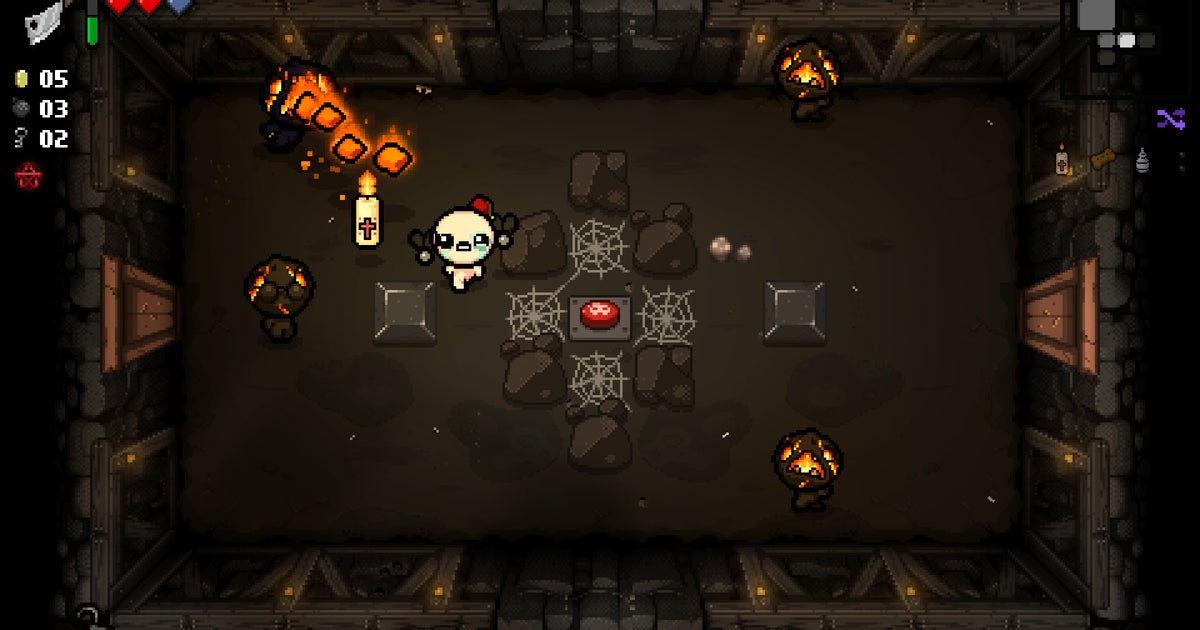
The delicate truce between independent game development and generative artificial intelligence has ruptured violently across one of the medium’s most revered franchises. Over the weekend, The Binding of Isaac: Repentance+—the latest iteration of Edmund McMillen’s genre-defining roguelike published by Nicalis—became the target of severe community backlash and a coordinated review-bombing campaign on Steam after players discovered undisclosed AI-generated music tracks bundled within an official promotional update. The controversy originated within a newly added, Easter-egg-laden daily run unlocked via the seed V1CE BSMT. Timed to coincide playfully with the massive global launch of Rockstar Games’ Grand Theft Auto VI, the special run featured neon aesthetics, customized weapon mechanics, and an upbeat synthwave soundtrack parodying eighties pop culture. However, within hours of deployment, data-miners inspecting the game’s local asset archives uncovered definitive evidence that the musical tracks had been generated via Suno, a commercial artificial intelligence music synthesis platform. ### The Metadata Leak and Valve’s Disclosure Dilemma The discovery was brought to public attention by Reddit user ShweetsStuff, who extracted the audio files directly from the PC installation directory. Rather than an ambiguous algorithmic artifact, the extracted audio files contained raw, unstripped ID3 metadata tags that explicitly identified Suno as the generating engine, complete with generation timestamps and direct hyperlinks back to the specific synthesis seeds on Suno’s servers. The revelation ignited immediate furor across Reddit, Discord, and Steam community hubs, rapidly escalating from artistic disappointment into a regulatory dispute. In early 2024, Valve Corporation instituted a comprehensive policy requiring all developers distributing software on Steam to formally declare whether their titles utilize pre-generated or real-time artificial intelligence assets on public store pages. Because Repentance+ shipped the update without submitting an updated AI disclosure or checking Valve’s mandatory store disclaimer, players accused publisher Nicalis of covertly bypassing platform compliance rules. Within forty-eight hours, the game’s recent review rating on Steam plummeted into ‘Overwhelmingly Negative’ territory, with positive user sentiment crashing below nine percent. Thousands of long-time fans expressed visceral outrage, arguing that an iconic fifteen-year-old franchise celebrated for bespoke artistic craftsmanship—from Danny Baranowsky’s original score to Ridiculon’s heavy metal arrangements—had compromised its indie pedigree by injecting synthetic ‘AI slop.’ ### McMillen’s Disavowal and the Emergency Patch The escalation prompted franchise creator Edmund McMillen to issue a blunt, public disavowal on social media. Addressing the erupting controversy, McMillen stated that he had awakened to a complete disaster, emphasizing that he had no prior knowledge of or involvement in the decision to deploy synthetic audio into the game’s daily challenge pool. ‘Obviously I had no idea it featured generated music in the daily run,’ McMillen wrote. ‘Looking into how that happened and getting it removed, stay tuned.’ The statement highlighted a persistent governance divide between McMillen—who serves as the creative visionary and designer—and Nicalis, the external studio and publisher responsible for programming, maintaining codebases, and shipping multiplatform console ports. Facing catastrophic reputational damage and the imminent threat of Valve storefront intervention, Nicalis moved swiftly to contain the fallout. The publisher deployed an emergency PC hotfix late Sunday evening that stripped the offending Suno tracks from the installation manifests, substituting standard legacy audio assets while submitting expedited patch binaries to PlayStation, Xbox, and Nintendo certification pipelines. ### The Zero-Tolerance Line for Generative Assets in Indie Gaming While commercial AAA publishers have increasingly signaled openness to integrating machine learning pipelines for background voice acting, procedural texture upscaling, and localization, the Binding of Isaac revolt illustrates that the independent sector operates under fundamentally different cultural contracts. Indie gaming communities view handcrafted imperfection, auteur voice, and direct human labor as intrinsic to the artistic value of the product they finance. Furthermore, the incident underscores the operational vulnerabilities that emerge when aging indie properties transition into corporate live-service maintenance. When codebases and secondary updates are managed by third-party publishing arms or porting contractors, the boundary between creative intent and commercial corner-cutting can blur with disastrous speed. For indie developers navigating the machine learning era, Repentance+ serves as a stark warning: any perceived erosion of human craft, even within a tongue-in-cheek holiday parody, risks destroying decades of accumulated community trust in a matter of hours. ### Sources & Further Reading - [PC Gamer (Gaming Industry & Steam Policy Analysis)](https://www.pcgamer.com/games/roguelike/binding-of-isaac-dlc-adds-ai-music-in-gta-6-parodying-update-despite-not-having-an-ai-disclosure-steam-reviews-drop-to-overwhelmingly-negative-music-gets-pulled/) - [Eurogamer (United Kingdom / Breaking News Reporting)](https://www.eurogamer.net/binding-of-isaac-repentance-plus-ai-music-removed) - [IGN (Global Entertainment & Platform Compliance Coverage)](https://www.ign.com/articles/the-binding-of-isaac-dev-removes-undisclosed-ai-generated-music-from-repentance-following-creator-response-review-bombing) ~Gaming ~BindingOfIsaac ~IndieGames ~Steam ~ArtificialIntelligence
Binding of Isaac Repentance+ AI Music Controversy Triggers Review Bombing and Emergency Steam Hotfix
0
Discuss 23
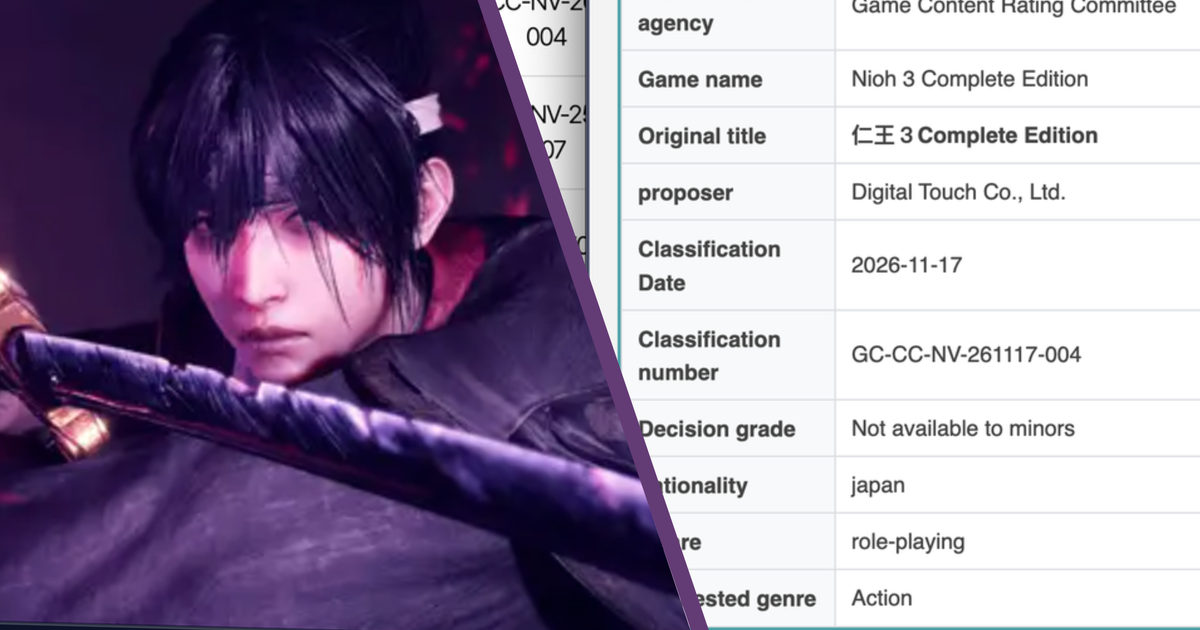
In what has become a hallmark procedural leak for major Japanese action role-playing releases, South Korea’s Game Rating and Administration Committee (GRAC) has published an official age classification for an unannounced Nioh 3 Complete Edition. The public filing, finalized on November 17 following an initial submission on November 2, 2026 by publisher Koei Tecmo, confirms that Team Ninja is preparing a comprehensive omnibus package bundling the base Sengoku dark fantasy adventure alongside its full post-launch downloadable content suite. ### The Regulatory Trail: GRAC and CERO Pre-Release Filings Unlike regulatory bodies in North America or Europe that frequently embargo database updates until a publisher’s official media reveal, South Korea’s GRAC operates under strict administrative transparency laws that require immediate public indexing once a classification decision is reached. The committee granted Nioh 3 Complete Edition a 19+ adult rating, citing pervasive combat violence, graphic arterial blood, and anatomical dismemberment during high-intensity melee engagements. The listing further cross-references an overseas 17+ rating originating from Japan’s Computer Entertainment Rating Organization (CERO). The database description explicitly defines the software as a unified compilation of additional content created for the dark Sengoku action RPG. For industry analysts tracking Koei Tecmo’s release patterns, the timing of the Korean certification mirrors the historical lifecycle of previous franchise installments with precision. When Nioh 2 launched in early 2020, its standalone Complete Edition appeared on GRAC registers ten months later before debuting commercially alongside its final expansion. With the base version of Nioh 3 having cleared GRAC validation in November 2025 ahead of its February 2026 launch, the current filing strongly points to a commercial release window in early 2027. ### Post-Launch Cadence and the Expansion Roadmap Since debuting to widespread critical acclaim in February 2026, Nioh 3 has cemented Team Ninja’s reputation as the premier artisan of high-speed, stance-based masocore combat. Crossing one million global sales within its opening quarter across PlayStation 5 and PC, the title sustained active community engagement through substantial post-launch balancing updates. In April, Koei Tecmo introduced high-difficulty Battle Scrolls accessible from shrines, higher-tier accessory customization via the Stone of Penance system, and endgame master martial arts skills. A Complete Edition typically serves as the definitive vehicle for delivering all major narrative expansions to late adopters and collection enthusiasts. Team Ninja is currently finalizing development on Nioh 3’s second major story DLC, titled Bloody Insurrection, scheduled for deployment in early 2027. The rating disclosure strongly suggests that Koei Tecmo plans to synchronize the Complete Edition launch with the arrival of this second narrative chapter, packaging the base campaign, the initial expansion, and unannounced seasonal cosmetics into a single physical and digital retail SKU. ### Strategic Longevity in the Hardcore Action RPG Arena The impending arrival of a Complete Edition underscores Koei Tecmo’s broader corporate strategy to maximize long-tail profitability from its premier proprietary intellectual property. While competitors in the challenging action RPG arena frequently face multi-year droughts between major franchise milestones, Team Ninja has perfected a disciplined, annual release cadence alternating between mainline historical epics and specialized spin-offs like Wo Long: Fallen Dynasty and Rise of the Ronin. As the studio prepares its promotional rollout for the 2027 fiscal year, the leaked Korean rating indicates that Nioh 3’s dark mythological vision of feudal Japan is entering its culminating phase. For players on PlayStation 5 and high-end PC hardware—as well as handheld PC enthusiasts utilizing Proton compatibility layers—the Complete Edition will offer the definitive, fully balanced iteration of Team Ninja’s most ambitious combat sandbox to date. ### Sources & Further Reading - [Eurogamer: Unannounced Nioh 3 Complete Edition has been rated in Korea](https://www.eurogamer.net/nioh-3-complete-edition-rated-korea) - [Insider Gaming: Nioh 3 Complete Edition Rated by Korean Ratings Board Ahead of Reveal](https://insider-gaming.com/nioh-3-complete-edition-rated/) - [Team Ninja: Nioh 3 Official Game Overview and Battle System](https://teamninja-studio.com/nioh3/) - [RPG Site: Nioh 3 Complete Coverage and Expansion Guides](https://www.rpgsite.net/games/2440-nioh-3) ~Gaming ~Nioh ~TeamNinja ~PlayStation ~RPG
Unannounced Nioh 3 Complete Edition Rated in Korea Ahead of 2027 Expansion Cycle
0
Discuss 24
In a historic commercial milestone that fundamentally recalibrates the economic scale of global media, Rockstar Games and parent publisher Take-Two Interactive have confirmed that Grand Theft Auto VI generated an unprecedented $3.79 billion in revenue during its first 24 hours of commercial availability. Bolstered by 32.5 million pre-sale and day-one copies sold across PlayStation 5 and Xbox Series X/S consoles prior to its November 19, 2026 global debut, the crime epic has officially established itself as the single largest entertainment launch across any medium in human history—surpassing lifetime theatrical grosses of Hollywood blockbusters in a single calendar day. ### The Macroeconomics of a Historic Debut The financial figures revealed by Take-Two executives exceed even the most aggressive Wall Street forecasts. Prior to launch, consensus analyst models from Wedbush and Newzoo projected an opening day haul between $2.2 billion and $2.5 billion based on roughly 25 million units. The confirmed tally of 32.5 million copies reflects extraordinary consumer demand that obliterated previous industry records. To place this performance in historical context, Grand Theft Auto V generated approximately $800 million on its opening day in September 2013 on PlayStation 3 and Xbox 360, eventually reaching $1 billion within three days and selling over 230 million copies across three console generations. GTA 6 nearly quintupled that day-one figure. In broader media comparisons, the launch eclipsed the entire global box office run of Avengers: Endgame ($2.79 billion) and Avatar within hours. By clearing $3.79 billion, Rockstar recouped its estimated decade-long development and global marketing budget—widely reported between $1.5 billion and $2 billion—before the close of day one, transforming Take-Two’s balance sheet and delivering unprecedented fiscal liquidity. ### Structural Drivers: Global Digital Ubiquity and Storefront Maturity Several structural shifts in the video game ecosystem enabled this massive concentration of capital. First, unlike GTA 5 in 2013, which faced staggered regional physical rollouts and excluded key territories like Japan and Brazil during its opening window, GTA 6 enjoyed simultaneous global availability across more than 100 countries. Second, the digital transition of console gaming proved decisive. High-speed broadband penetration and ubiquitous pre-loading on the PlayStation Network and Xbox digital storefronts allowed millions of players to purchase standard $69.99 editions as well as $99.99 Deluxe and Collector bundles weeks in advance. Console manufacturers Sony and Microsoft reported that GTA 6 broke every existing pre-order metric in storefront history, with download concurrency consuming record percentages of tier-1 internet backbone bandwidth during initial decryption waves. ### Production Legacy and the Long-Term Live-Service Horizon The achievement reflects a remarkable institutional continuity at Rockstar Games. Recent industry analyses indicate that more than 21 percent of Rockstar’s core development and engineering staff have remained with the studio for over a decade, providing the veteran organizational memory required to coordinate multiple worldwide studios across more than eight years of production. In an official communication celebrating the milestone, Rockstar co-founder and president Sam Houser expressed profound gratitude to global audiences for welcoming the next chapter in the company’s creative journey. The central challenge facing Rockstar and Take-Two now shifts from initial retail velocity to operational endurance. The staggering longevity of Grand Theft Auto V was driven by thirteen years of live-service updates to GTA Online. As millions of players navigate the neon corridors of Vice City and the sprawling environs of Leonida in single-player, Rockstar’s infrastructure teams face the monumental technical task of scaling server architecture for GTA Online’s upcoming iteration. Balancing complex economy reboots, cloud concurrency, and recurring content drops without fracturing the legacy player base will determine whether Grand Theft Auto VI can sustain its historic momentum over the next decade. ### Sources & Further Reading - [Eurogamer: GTA 6 is officially the biggest entertainment launch of all time, selling 32.5 million pre-sale copies and $3.79 billion](https://www.eurogamer.net/gta-6-biggest-entertainment-launch) - [Kotaku: GTA 6 Sold 32.5 Million Copies in Pre-Release as Take-Two Crowns It the Biggest Entertainment Launch in History](https://kotaku.com/gta-6-sold-32-5-million-copies-in-pre-release-as-take-two-crowns-it-the-biggest-entertainment-launch-in-history-2000758965) - [Business Standard: GTA VI generates $3.79 billion, becomes biggest entertainment launch ever](https://www.business-standard.com/technology/tech-news/gta-vi-generates-3-79-bn-becomes-biggest-entertainment-launch-ever-126112100066_1.html) ~Gaming ~GTA6 ~RockstarGames ~PlayStation ~Xbox
Grand Theft Auto VI Shatters Entertainment Records with .79 Billion Opening Day and 32.5 Million Pre-Sales
0
Discuss 11
edited
When Grand Theft Auto VI launched on November 19, 2026, it did more than open the doors of Vice City and the fictional state of Leonida to tens of millions of players. Within hours, it was being measured not only in player counts and reviews, but in an economic event: analytics firm Sensor Tower estimated the game had generated around $2.36 billion in its first day, on the back of nearly 25 million copies sold across PlayStation 5 and Xbox Series X|S, including pre-orders. Roughly three out of four copies were on PlayStation. The estimate did not stand still. Sensor Tower's running tally climbed through launch day from $1.65 billion and 17.1 million copies at midday, to $1.84 billion and 19.1 million by Thursday morning, to the final first-day figure of about $2.36 billion and 24.6 million copies by the evening. Pre-orders had already crossed $2 billion through launch day, meaning roughly half of the estimated first-day revenue was booked before a single player loaded the game. Against that backdrop, the launch looked less like a debut than a coronation. Take-Two Interactive, the game's publisher, has not released official sales figures, but described demand as "unprecedented" and said it would share numbers "soon". Chief executive Strauss Zelnick had said beforehand that pre-orders had "vastly exceeded" internal expectations; on launch day itself, Take-Two shares closed down 3.7 percent, even as analysts described the demand as unprecedented. The scale invites comparison with the series' own benchmark. Grand Theft Auto V took $815.7 million in its first 24 hours and 11.21 million copies, a Guinness World Record. The GTA VI estimate is nearly three times that revenue and about 2.2 times the copy count, and it was still moving as the data firm updated its tracker. Analysts had moved before launch. Joost van Dreunen predicted that Take-Two would announce opening-weekend sales above $2 billion by November 23, and projected first-year sales of 38 million copies. Newzoo had described the pre-order campaign as the strongest on record and projected first-week revenue between $3.25 billion and $5.2 billion. For the industry, the launch is being framed as a rare proof that a single game can concentrate more anticipation than most entire sectors generate in a year. The political reverberations were immediate: Downing Street said the prime minister, Andy Burnham, would not be playing the game, while a spokesperson hailed Rockstar Games as a "British success story" tied to the company's Scottish studio in Edinburgh; the culture secretary, Lisa Nandy had praised the title, and retailers reported sharp lifts in console sales. The official figures are still weeks away. What happens when Take-Two finally releases them may matter less to the game's players than to the industry's understanding of how high the ceiling has just been raised. The number matters because it sits at the intersection of three unresolved questions: how the publisher converts gross revenue into its own net bookings once platform holders take their share, how consumer returns affect the final accounting, and whether the official figures due "soon" from Take-Two will confirm or disappoint the forecasts that now look almost conservative. Until they arrive, the story remains an estimate, and the launch remains the kind of event that resets the industry's own sense of scale. The run-up had already rewritten the record books in advance. After two delays, the game was first targeted for late 2025, then moved to May 2026, and finally released on November 19. Pre-orders opened in June and climbed steadily until the publisher revised its fiscal forecast upward to $3.5 billion for the launch quarter, an increase it attributed to recurrent consumer spending, chiefly the Ultimate Edition. Whether the estimate eventually converges with Take-Two's own accounting or not, the directional message is difficult to overstate: the largest audience anticipation of a generation produced a launch that, even by conservative estimates, exceeded the lifetime commercial logic of most entertainment products. The comparisons now being drawn with music and cinema are not rhetorical. They are arithmetic exercises that the numbers themselves invite. ### Sources & Further Reading - [BBC](https://www.bbc.com/news/articles/c9zr5nyv5dj2o) - [Eurogamer](https://www.eurogamer.net/gta-6-sales-estimate-rockstar-grand-theft-auto) - [PC Gamer](https://www.pcgamer.com/games/grand-theft-auto/take-two-expects-to-make-as-much-as-usd3-5-billion-during-the-gta-6-launch-period/) ~Gaming ~Rockstar ~TakeTwo ~GTA6
Grand Theft Auto VI Estimated at $2.36 Billion Launch Day Sales — the Biggest Entertainment Launch Ever
2
Discuss 22
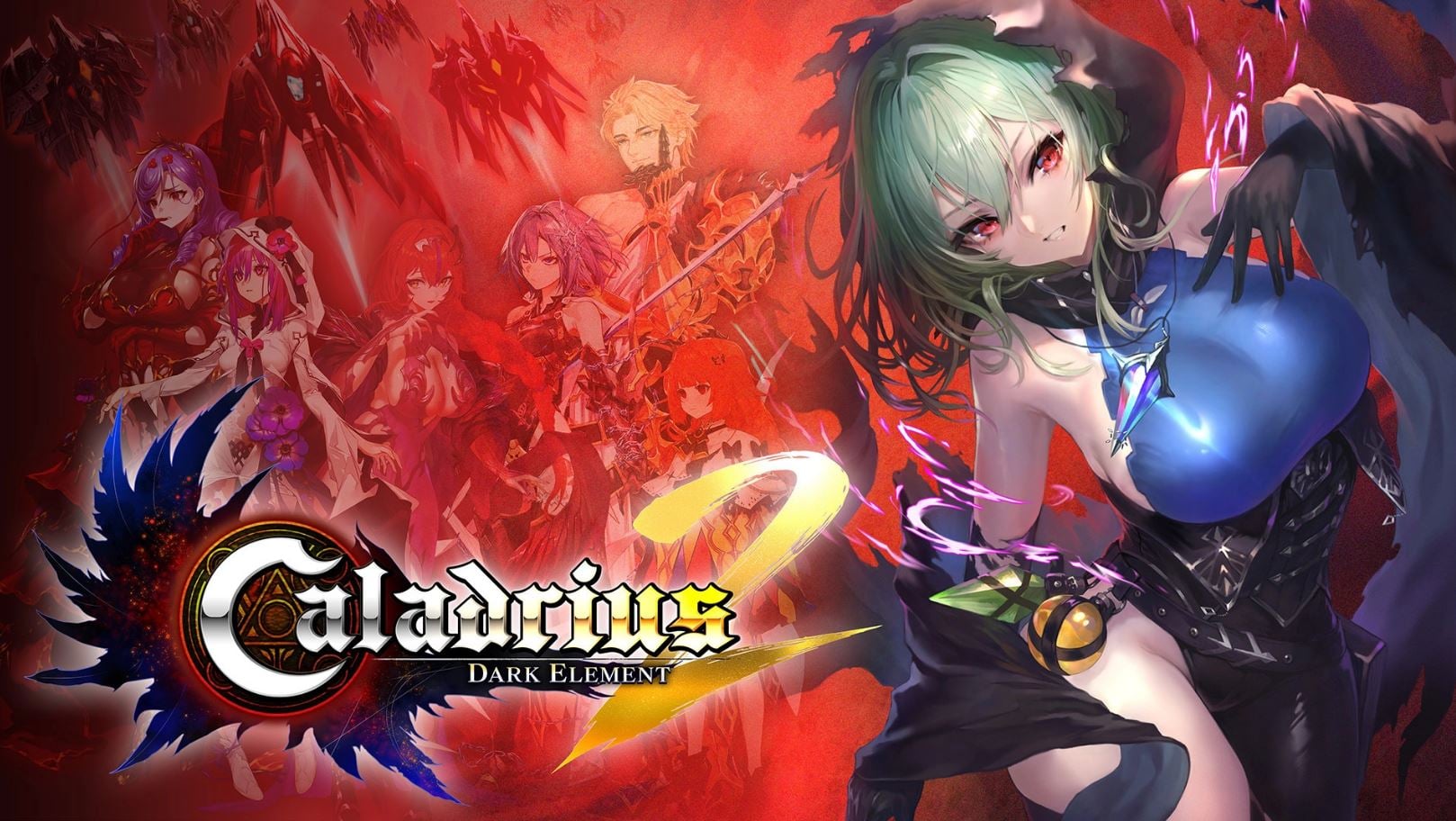
Japanese developer MOSS and publisher H2 Interactive have officially announced a worldwide delay for Caladrius 2/Dark Element, pushing the gothic bullet-hell shoot-em-up from its planned December 10, 2026 release window to late January 2027. Arriving thirteen years after the debut of the cult classic Caladrius, the sequel is navigating a complex web of platform compliance issues. While the physical and digital console editions for PlayStation 5 and Nintendo Switch are now slated to arrive on January 27–28, 2027, the PC version on Steam has had its launch timing indefinitely postponed following the unexpected removal of its store page late last month. The core gameplay hook of the Caladrius franchise has historically merged intricate bullet-hell dodging mechanics with the provocative "Shame Break" system. Under this mechanic, pilots and adversary commanders suffer incremental clothing damage as their ships sustain battlefield trauma, triggering animated character cut-ins and altered on-screen sprites in varying non-explicit stages of undress. In Caladrius 2, MOSS expanded this design with a dynamic curse-erasure system: players who chain flawless attacks and maintain high offensive precision actively peel back the shadowy curse clinging to characters’ bodies, exposing more skin and unlocking detailed portraits in an in-game art gallery. ### Sony Mandates Visual Filters While Nintendo Switch Keeps Uncut Artwork The postponement of the console versions directly correlates with mandatory revisions imposed on the PlayStation 5 build to meet Sony Interactive Entertainment’s global content standards. Under these platform guidelines, MOSS confirmed that the curse-cleansing mechanic will undergo noticeable visual alterations during active gameplay on PS5, accompanied by restricted configuration toggles in the options menu. Furthermore, full-screen illustrations unlocked in the PlayStation 5 gallery will have an obligatory translucent haze or blurring filter applied over sensitive areas. In stark contrast, the Nintendo Switch edition will launch without these visual modifications, mirroring an ongoing industry trend where Nintendo’s platform has emerged as a surprisingly permissive sanctuary for traditional Japanese fanservice and niche arcade titles. MOSS emphasized that despite the haze filter on PS5, the underlying character illustrations themselves remain identical across both console versions, with zero adjustments made to bullet patterns, hitbox parameters, scoring logic, or weapon balance. The developer advised fans who placed pre-orders to verify reservation policies with respective retailers ahead of the new release schedule. ### Steam Store Delisting Highlights Fragmented Global Content Regulation The most pressing operational uncertainty surrounds the PC release. On October 28, the official Steam store page for Caladrius 2 was abruptly taken down without prior public notice, sparking widespread concern within the shoot-em-up community. While Valve has historically permitted mature and adult anime titles on Steam behind age-gate filters, arbitrary enforcement spikes surrounding character age ambiguities and suggestive clothing damage mechanics have repeatedly created friction for mid-tier Japanese developers. MOSS has declined to specify whether the delisting was an internal developer initiative to adjust store assets or an administrative enforcement action by Valve, leaving the Steam release timeline officially undecided. This disparate treatment across PlayStation, Switch, and Steam underscores the fragmented regulatory landscape facing specialized Japanese arcade developers in 2026. Striking a sustainable balance between Western platform compliance mandates, crowd-funded Kickstarter commitments, and the traditional aesthetics expected by loyal genre enthusiasts requires continuous technical compromises. By choosing to apply post-processing filters rather than fundamentally redesigning character artwork, MOSS preserves the artistic core of Caladrius 2, even as regulatory friction delays its worldwide arrival. ### Sources & Further Reading - [Automaton Media](https://automaton-media.com/en/news/following-steam-page-removal-caladrius-2-dark-element-has-been-delayed-ps5-version-to-undergo-changes-to-comply-with-platform-standards/) - [Gematsu](https://www.gematsu.com/2026/11/caladrius-2-dark-element-delayed-to-january-27-2027) - [Kickstarter Project by MOSS](https://www.kickstarter.com/projects/mossjp/caladrius-blaze-sequel) ~Gaming ~PlayStation ~NintendoSwitch ~Steam ~Shmup
Caladrius 2/Dark Element Delayed to January 2027 as Sony Imposes Visual Censorship on PS5 Version
0
Discuss 20
Ubisoft has eliminated 166 positions across its flagship Canadian development hubs in Montréal and Québec City, representing approximately 4% of the publisher's regional workforce. The restructuring hits the creative heart of the French multinational’s operations—studios that have steered blockbuster franchises including Assassin's Creed, Far Cry, For Honor, and Watch Dogs for more than two decades. According to internal briefings and official statements released on November 19, 2026, the downsizing primarily targets production and operational support teams tied to unannounced internal projects that were recently canceled, de-scoped, or halted amid Ubisoft’s ongoing corporate reorganization. The move marks another painful chapter in Ubisoft’s sweeping multi-year cost-reduction initiative, which began in early 2023 with a target of shaving over €200 million in annual operating expenses. Over the past twelve months, that austerity drive has triggered the shuttering of satellite studios in Winnipeg and Belgrade, the restructuring of its Barcelona and Halifax branches, deep cuts at RedLynx and Ubisoft Singapore, and layoffs across its German offices following the appointment of industry veteran Christoph Hartmann to oversee Creative House 2 (Massive Entertainment). Yet while previous tranches chipped away at peripheral support hubs or mobile initiatives, trimming staff at Ubisoft Montréal—an institution employing over 4,000 developers that practically established Canada as a global game development powerhouse—signals that no division is immune to the parent company’s structural retrenchment. ### Portfolio Pruning and the New 'Creative House' Architecture In an official statement confirmed to multiple trade outlets, a Ubisoft spokesperson framed the dismissals as a direct response to strategic realignments across its active pipeline: "Ubisoft is reducing its workforce by 166 positions across its Montréal and Québec City operations. As our portfolio evolves, our production needs are changing, requiring us to adjust the size of some teams to ensure our resources are aligned with current production priorities and business needs. We deeply value the contributions of these teams and recognize the impact this may have on our colleagues. We are committed to supporting them through this process with care and respect." Industry reports indicate that the workforce reductions also touched personnel connected to Vantage Studios, the newly formed creative cluster created under Ubisoft's joint arrangement with Chinese tech conglomerate Tencent. Vantage was designated as the primary creative pillar responsible for safeguarding and expanding Ubisoft's tentpole intellectual properties, including Assassin's Creed, Far Cry, and Rainbow Six. However, as leadership has moved to concentrate capital into high-certainty live-service ecosystems and marquee single-player releases, peripheral concept incubators and non-core experiments have faced immediate termination. For developers whose experimental projects were axed, internal reassignment proved impossible due to a studio-wide slowdown in greenlighting new multi-million-dollar productions. The company confirmed that departed staff are receiving statutory severance packages, extended health care coverage, and career transition assistance. Nevertheless, the abrupt cuts underscore the volatile climate gripping Canadian game development, where rising cost-of-living pressures and corporate austerity have eroded longstanding employment stability. ### Subsidies, Labor Tensions, and the Shifting Economics of Canadian Hubs To understand why 166 redundancies at Ubisoft Montréal and Québec resonate so heavily across the video game industry, one must examine the macroeconomic and geopolitical bedrock that built these studios. When Ubisoft opened its Montréal doors in 1997, the provincial government of Quebec pioneered aggressive multimedia tax credits, subsidizing up to 37.5% of eligible local labor salaries. That financial incentive structure turned Montréal into the fifth-largest video game development hub worldwide, eventually drawing thousands of developers into Ubisoft's sprawling Mile End complex. However, the fiscal math governing AAA production has deteriorated rapidly. The ballooning development cycles of current-generation prestige titles—often stretching beyond six years and consuming budgets exceeding $250 million—mean that regional tax rebates can no longer cushion the financial blow of underperforming releases or prolonged production delays. Following mixed commercial receptions for several recent mid-tier releases and mounting public scrutiny over production delays, Ubisoft's Parisian executive board has been forced by institutional shareholders and ratings agencies to curb operational burn. Moreover, the cuts coincide with rising labor organization across Ubisoft's international branches. Following prolonged disputes over mandatory return-to-office mandates, unionization drives at Ubisoft Paris, and public grievances voiced by labor groups representing French and Canadian game developers, worker morale has faced persistent strain. When leadership demands that staff re-anchor their lives around physical office campuses only to eliminate positions months later, labor representatives argue that corporate flexibility is enforced asymmetrically. The loss of 166 senior and mid-level developers will inevitably ripple through Montréal’s indie ecosystem, likely catalyzing the formation of new boutique studios as experienced talent seeks independence from corporate consolidation. ### The Broader AAA Retrenchment: Quality Over Volume The downsizing in Quebec reflects a structural reality confronting the entire video game landscape in late 2026. The post-pandemic era of low-interest expansion and aggressive headcount inflation has permanently given way to strict fiscal discipline. Major publishers from Electronic Arts to Sony Interactive Entertainment and Microsoft have executed sweeping workforce cuts, narrowing their release slates to prioritize guaranteed blockbusters and high-margin recurring revenue. For Ubisoft, this means stripping away redundant administrative layers and focusing development firepower almost exclusively on core bets: ensuring that the upcoming pipeline of Assassin's Creed installments, the next evolution of Rainbow Six, and the tactical rebirth of Far Cry meet uncompromising commercial benchmarks. By trimming 166 roles, management is sending an unambiguous signal to global markets that production costs are being aggressively reined in. Yet for the developers on the ground in Montréal and Québec City, the move stands as a sobering reminder that even the industry's most legendary creative workshops are not shielded from the cold imperatives of the bottom line. ### Sources & Further Reading - [Video Games Chronicle (UK)](https://www.videogameschronicle.com/news/ubisoft-is-laying-off-166-staff-in-its-montreal-and-quebec-city-offices/) - [Gematsu (Japan/Global)](https://www.gematsu.com/2026/11/ubisoft-lays-off-166-staff-at-montreal-and-quebec-studios) - [GamesIndustry.biz (UK/Global)](https://www.gamesindustry.biz/ubisoft-lays-off-166-staff-in-montreal-and-quebec-studios) - [IGN (United States)](https://www.ign.com/articles/ubisoft-cuts-166-jobs-assassins-creed) ~Gaming ~Ubisoft ~Montreal ~Layoffs ~Industry
Ubisoft Cuts 166 Positions in Montréal and Québec City as Global Austerity Hits Flagship Studios
0
Discuss 16