Valve Opens Direct Purchases for 512GB Steam Machine but Freezes 2TB Waitlist Over Component Squeeze
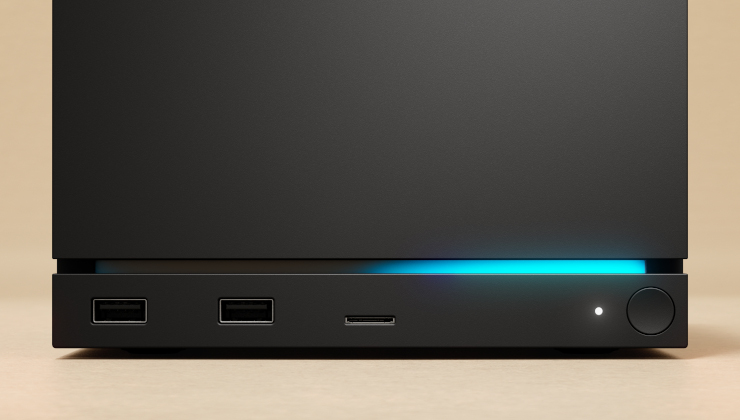
Valve Corporation has officially revised its retail distribution strategy for the Steam Machine living-room console, opening direct purchases for the entry-level 512GB model without reservations while abruptly closing the waitlist for the flagship 2TB tier. The transition marks a pivotal turning point for Valve's living-room hardware ambitions, demonstrating both the viability of its hardware queue fulfillment and the severe supply-chain bottlenecks created by escalating global component prices. According to an official update published by Valve on the Steam Hardware Community hub, the queue system established for the hardware's initial release has successfully cleared all existing reservations for the 512GB version. Players in supported shipping regions can now order the 512GB Steam Machine immediately through the Steam Store, subject only to real-time inventory availability rather than sequential reservation windows. However, Valve simultaneously announced that the 2TB model faces acute manufacturing headwinds that have forced the company to stop accepting new waitlist entries altogether. ### The Diverging Reality of 512GB and 2TB Production The decision to split the distribution models of the two tiers highlights the complex manufacturing economics governing modern PC-based home consoles. Valve confirmed that while reservation invites for the 2TB model have been distributed to earlier queue registrants, persistent supply shortages in high-density solid-state storage and memory modules have prevented production from keeping pace with consumer interest. The company explicitly noted that the number of customers currently waiting for a 2TB unit outstrips existing manufacturing capacity, cautioning that subsequent production runs will yield far smaller quantities than originally budgeted. For prospective buyers, the removal of the 512GB queue provides immediate access to the SteamOS console ecosystem at its entry baseline, yet eliminates the safety net of a reserved allocation. Once the current inventory of 512GB units is depleted, the Steam Store will simply reflect an out-of-stock state rather than permitting backorders. Meanwhile, waitlisted customers hoping for the 2TB version remain subject to constrained batch deliveries, with Valve reiterating that presence on the closed waitlist does not guarantee an eventual purchase invitation. ### Upstream Component Pressures and AI Industry Competition Behind Valve's supply constraints lies a broader structural shock across the semiconductor and electronic component supply chains. The unrelenting infrastructure buildout across enterprise artificial intelligence and hyperscale datacenters has consumed vast portions of global NAND flash memory and advanced high-density DRAM production. This surge has triggered cascading price spikes and allocation rationing for consumer hardware manufacturers, hitting specialized, high-tier components particularly hard. Valve pointed directly to these escalating pressures in its hardware communication, stating that memory and storage procurement costs continue to climb at unprecedented rates. Unlike traditional console makers like Sony or Microsoft, which negotiate long-term component supply agreements with heavy volume commitments and platform holder subsidies, Valve's hardware operations run on leaner manufacturing schedules. As component prices spike, producing a 2TB NVMe SSD configuration at a competitive consumer price point becomes increasingly difficult without eroding margins or incurring steep losses. ### Strategic Consequences for the Living Room PC Ecosystem Valve's move to uncap 512GB sales while capping 2TB reservations presents distinct trade-offs for consumers and developers alike. For gamers, the 512GB Steam Machine represents an attractive hardware platform for high-efficiency 1080p and 1440p living-room gaming powered by SteamOS, but modern AAA titles frequently demand upwards of 100GB to 150GB of storage each. Users opting for the immediately available 512GB unit will inevitably rely on high-speed external storage expansion, microSD cards, or manual internal drive upgrades to maintain a substantial local game library. From an industry perspective, Valve noted that a comprehensive review of hardware availability, pricing adjustments, and production roadmaps is scheduled for January 2027. Hardware analysts speculate that Valve may be forced to either revise its pricing structure upward for subsequent manufacturing cycles or streamline the Steam Machine lineup into a single consolidated hardware SKU if component volatility persists into next year. For the time being, the availability of direct 512GB purchases offers an immediate gateway into Valve's dedicated living-room experience, even as high-capacity hardware remains trapped under global supply friction. ### Sources & Further Reading - [Steam Hardware Community Announcement: Steam Machine Reservation and Waitlist Updates (Valve Corporation)](https://steamcommunity.com/groups/steam_hardware/announcements/detail/687522235410285039) - [GamingOnLinux: While Stock Lasts, You Can Now Just Buy a 512GB Steam Machine](https://www.gamingonlinux.com/2026/11/while-stock-lasts-you-can-now-just-buy-a-512gb-steam-machine/) - [SteamDeckHQ: Valve Makes Steam Machine 512GB Available for Direct Purchase And Closes 2TB Waitlist](https://steamdeckhq.com/news/steam-machine-512gb-direct-purchase/) ~SteamMachine ~Valve ~SteamOS ~Linux ~Gaming