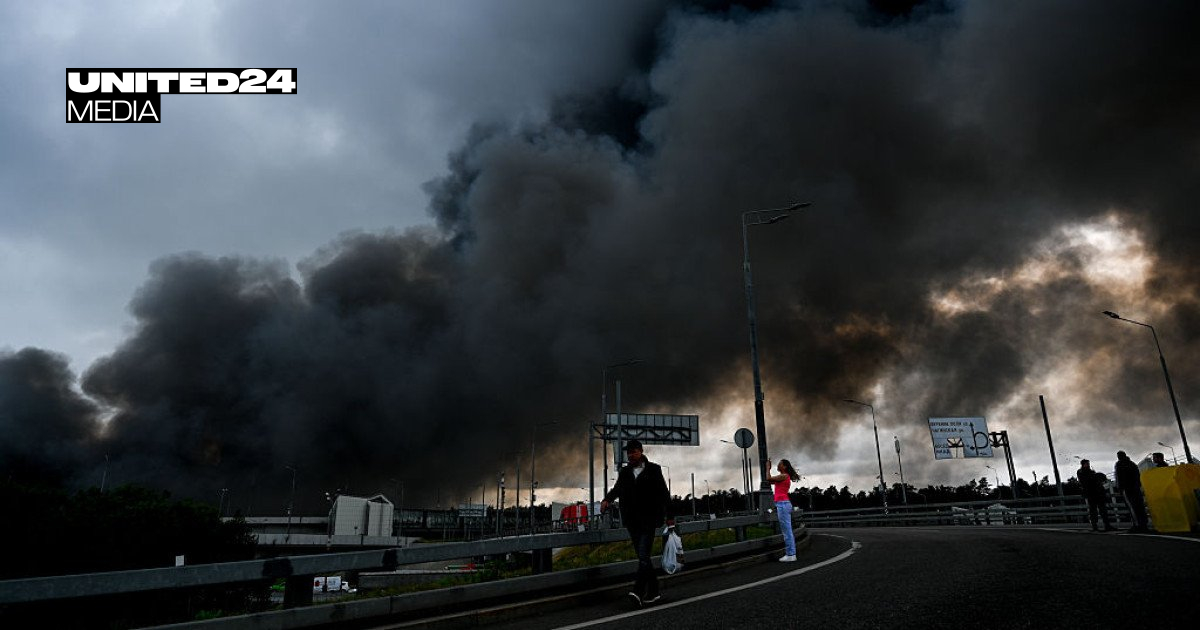
Ukrainian Drone Campaign Cuts Russian Daily Oil Refining by 45%, Halting 15 of 35 Major Plants
Near-daily Ukrainian long-range drone strikes have slashed Russia's daily crude oil refining volumes by **45% since late October**, disrupting or halting operations at **15 of the country's 35 major refineries**—up sharply from nine just a week earlier—according to industry estimates cited by *Reuters*, *Meduza*, and *United24 Media*. Daily throughput has dropped from more than **700,000 metric tons per day** in late October to roughly **400,000 metric tons** (around 3 million barrels per day) against an estimated total peacetime refining capacity of **930,000 metric tons per day**. Combined with simultaneous Ukrainian strikes on port infrastructure and a widening global fuel squeeze driven by the Strait of Hormuz crisis, the refinery campaign is beginning to bite inside Russia's domestic market—forcing several regions to reinstate retail gasoline restrictions while jeopardizing Moscow's export commitments abroad. ### Inside the Numbers: Daily Collapse vs. Monthly Average At first glance, the 45% figure appears steeper than November's full-month averages—an essential distinction that explains why market pressure is accelerating right now rather than already fully priced in. Industry sources told *Reuters* (reported by *The Jerusalem Post* and *United24 Media*) that because the refinery shutdowns escalated progressively over the past 20 days, Russia's *average* crude processing across November as a whole remains above 500,000 metric tons per day, only **5% to 10%** below September and October levels. The trajectory, however, points steeply downward. The combined nominal capacity of facilities damaged or offline since late October now totals roughly **500,000 metric tons per day**—approximately **54% of Russia's entire primary refining base**. Affected hubs include major plants in **Ryazan, Yaroslavl, Kirishi**, and across the **Volga region**, alongside this week's strikes on Krasnodar refineries and the Crimean Bridge. As offline capacity compounds faster than repair crews can restore damaged cracking and distillation units under sanctions-restricted equipment supply, December enters with nearly half of Russia's daily throughput sidelined. ### Collapse of the Informal October Pause The surge in energy strikes also marks the definitive end of a brief autumn lull. On **October 11**, U.S. President Donald Trump announced an "energy ceasefire" between Russia and Ukraine. Neither Moscow nor Kyiv formally confirmed agreeing to the truce, and Russian strikes against Ukrainian power infrastructure never fully stopped, though Ukrainian refinery attacks did ease for roughly two weeks. That informal restraint collapsed by late October. Kyiv framed its renewed 20-day campaign as direct retaliation for ongoing Russian missile and drone barrages targeting Ukrainian high-voltage substations and civilian power grids ahead of winter. Earlier this week, data released by Russia's own Defense Ministry indicated Kyiv launched the largest overnight drone barrage against Russian territory since the full-scale invasion began in February 2022—saturating air defenses protecting deep-rear industrial sites. Russia's Energy Ministry did not respond to *Reuters* requests for comment. ### From Regional Pump Rationing to Global Diesel Markets Inside Russia, the refining bottleneck is colliding with structural fragility exposed during summer fuel shortages earlier this year. According to *Meduza*, regional authorities have begun reimposing **gasoline sales restrictions** at filling stations as domestic wholesale buffers thin out. Abroad, the shock extends well beyond Russian borders: - **Port export constraints:** Parallel Ukrainian strikes on maritime terminals have restricted Moscow's ability to ship refined petroleum products, compounding lost refinery output. - **Tightening global middle distillates:** *Reuters* industry sources noted that prolonged refinery downtime directly threatens Russia's ability to fulfill a **diesel export deal to the United States**—a sensitive pressure point at a moment when the International Energy Agency warns the Middle East conflict has already created the worst global energy-security shock since the 1970s. While Russia can still attempt to divert unrefined crude to foreign buyers—particularly in Asia—losing domestic refining capacity destroys higher-margin fuel revenue and turns every winter cold snap into a domestic logistics test for the Kremlin's war economy. ### Sources & Further Reading - [Meduza — Ukrainian drone attacks have cut the amount of oil Russia refines by 45% since late October, Reuters reports](https://meduza.io/en/news/2026/11/19/ukrainian-drone-attacks-have-cut-the-amount-of-oil-russia-refines-by-45-since-late-october-reuters-reports) - [United24 Media — Ukraine's Drone Campaign Slashes Russian Oil Refining by 45%](https://united24media.com/war-in-ukraine/ukraines-drone-campaign-slashes-russian-oil-refining-by-45-24506) - [The Jerusalem Post — Drone attacks nearly halve Russia's November oil refining, despite Trump's 'ceasefire,' sources say](https://www.jpost.com/international/internationalrussia-ukraine-war/article-915337) ~WorldNews ~Ukraine ~Russia ~Oil ~Energy