Poland and Allied Intelligence Thwart Suspected Russian GRU False-Flag Plot Near Kaliningrad
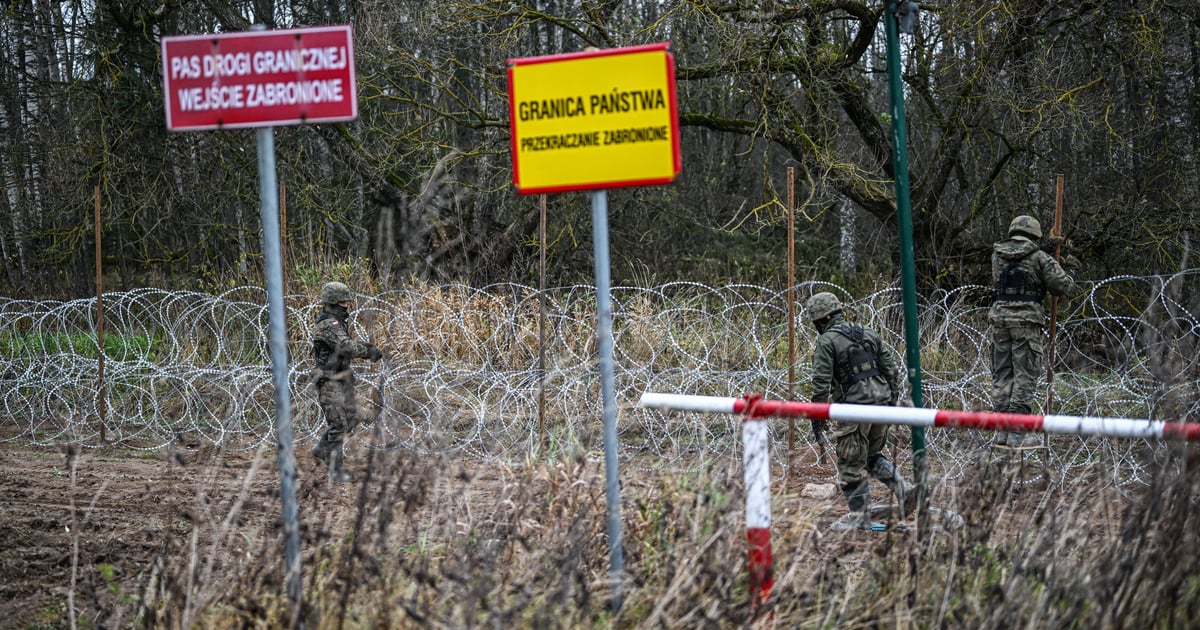
Polish and allied intelligence services thwarted a suspected Russian military intelligence (GRU) plot to stage a mass-casualty "false-flag" attack inside Poland in late October or early November and pin the blame on Ukraine, according to senior Polish security sources cited by [Rzeczpospolita](https://www.rp.pl/konflikty-zbrojne/art45490041-prowokacja-z-duza-liczba-ofiar-i-zrzuceniem-winy-na-ukraine-ustalilismy-co-powstrzymalo-rosje) and corroborated by reporting in [Meduza](https://meduza.io/en/news/2026/11/18/russia-planned-false-flag-operation-with-mass-casualties-on-polish-territory-rzeczpospolita-reports), [Hromadske](https://hromadske.ua/en/europa/274576-poland-thwarted-suspected-russian-false-flag-plot-to-blame-ukraine-for-deadly-attack-report-says), and [Ukrainska Pravda](https://www.pravda.com.ua/eng/news/2026/11/18/8063407/). The disclosures shed new light on a sudden security mobilization along Poland’s northeastern frontier with Russia’s Kaliningrad exclave earlier this month. On November 3, Polish Prime Minister Donald Tusk publicly acknowledged that border guards had detected "suspicious movement"—specifically "people with flashlights"—near the Russian border, prompting an immediate surge of security forces that prevented what Warsaw described at the time as an attempted provocation. ### Inside the Alleged Gleiwitz-Style Blueprint According to *Rzeczpospolita*’s sources inside Poland’s military and security apparatus, the intelligence picture pointed to something far more severe than routine border probing. Investigators received tips from partner intelligence agencies—backed by parallel assessments from Polish analysts—identifying specific target sites inside Poland where Moscow’s operatives allegedly intended to inflict a high number of casualties. One senior official compared the blueprint directly to the 1939 Gleiwitz incident, the staged Nazi false-flag attack used as a pretext to invade Poland. Under the suspected Russian scenario, operatives crossing into Polish territory would either have been killed or left behind with fabricated documentation and physical evidence linking them to Ukraine. The strategic objective, the sources told the Warsaw daily, was not conventional territorial gain but political shock: manufacturing outrage inside Poland to fracture public backing for Kyiv and force a halt to Western military transit through Polish territory. ### Rapid Force Mobilization and Baltic Warnings Crucially, the intelligence alert was not confined to Warsaw. *Rzeczpospolita* reported that similar warnings were transmitted to intelligence services in Estonia, Latvia, and Lithuania, indicating that allied monitors viewed the threat as a potential theater-wide hybrid contingency along NATO’s northeastern flank rather than an isolated local incident. In Poland’s case, deterrence relied on visible, overwhelming force density before an attack could be initiated. Following the border alerts, Warsaw reinforced the Kaliningrad frontier with hundreds of additional police officers, counterterrorism units, border guards, internal security personnel, and elite military special forces units—including GROM, NIL, and AGAT—signaling to Moscow that any cross-border incursion team would face immediate interception. ### Why False-Flag Sabotage Fits Moscow’s Broader Pressure Campaign The timing of the reported plot aligns with a broader intensification of Russian hybrid operations against European logistics and infrastructure. As [previously reported on Mushimu](https://www.mushimu.com/post/9379), Estonia moved this month to seal its Russian border starting December 1 after thwarting a suspected GRU arson plot against drone manufacturer Threod Systems, while Moscow has simultaneously pressed in diplomatic channels for a ["Back to 1997" rollback](https://www.mushimu.com/post/9542) of NATO’s eastern posture. By targeting Poland—NATO’s indispensable rail and air corridor for supplies entering Ukraine—a deniable mass-casualty attack attributed to Ukrainians would have struck directly at the political cohesion of the alliance without triggering an unambiguous Article 5 military response against Russia. For Warsaw and its Baltic neighbors, the episode underscores a persistent operational reality: even as high-level diplomacy unfolds in Shenzhen and Abu Dhabi, intelligence sharing and rapid border-force readiness remain the primary line of defense against sub-threshold escalation. ### Sources & Further Reading - [Rzeczpospolita (Poland — Original Investigation)](https://www.rp.pl/konflikty-zbrojne/art45490041-prowokacja-z-duza-liczba-ofiar-i-zrzuceniem-winy-na-ukraine-ustalilismy-co-powstrzymalo-rosje) - [Hromadske (Ukraine) — Poland thwarted suspected Russian false-flag plot to blame Ukraine for deadly attack](https://hromadske.ua/en/europa/274576-poland-thwarted-suspected-russian-false-flag-plot-to-blame-ukraine-for-deadly-attack-report-says) - [Meduza (Russia — Independent) — Russia planned 'false flag' operation with mass casualties on Polish territory](https://meduza.io/en/news/2026/11/18/russia-planned-false-flag-operation-with-mass-casualties-on-polish-territory-rzeczpospolita-reports) - [Ukrainska Pravda (Ukraine) — Russia planned 'false-flag' operation with mass casualties in Poland](https://www.pravda.com.ua/eng/news/2026/11/18/8063407/) ~WorldNews ~Poland ~Russia ~NATO ~HybridWarfare