

UN secretary-general race stalls as all seven candidates face P5 opposition
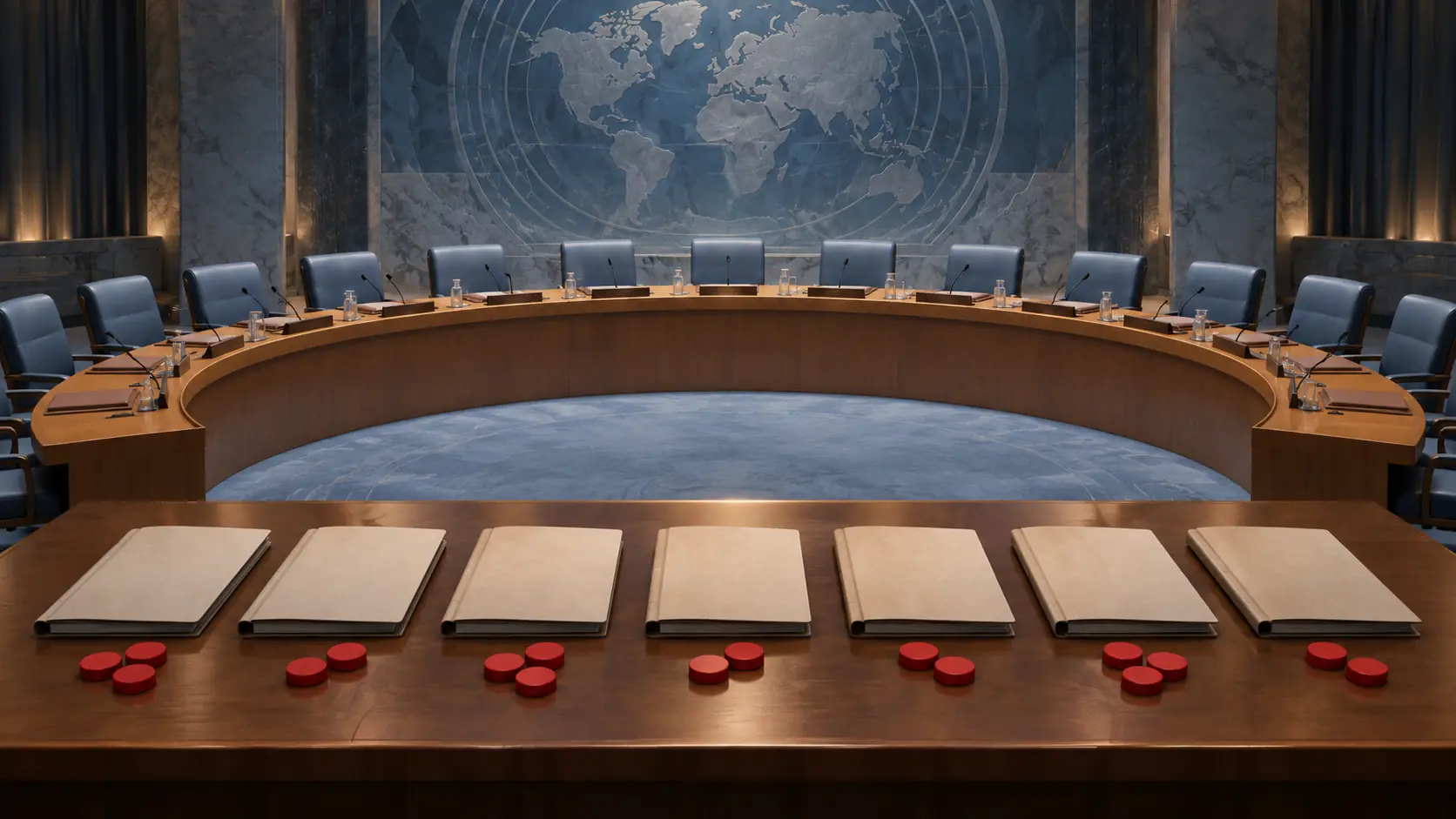 Conceptual illustration: an empty Security Council chamber with ballots representing the unresolved choice. The race to become the next United Nations secretary-general remains wide open. In a sixth informal Security Council straw poll on Friday, Oct. 16, all seven candidates drew opposition from at least one of the council’s five permanent members, according to diplomats cited by [Reuters](https://www.marketscreener.com/news/grynspan-holds-lead-for-next-un-chief-as-race-enters-decisive-stage-ce785cdadf8efe25) and [AFP](https://origin-zh9p7m-www.afp.com/en/all-contenders-un-chief-receive-veto-diplomat). These “discourage” marks are signals in a private, non-binding poll; they are not formal vetoes. For the first time, diplomats used red ballots to show whether a negative vote came from a permanent member. The change makes the main obstacle clearer: a candidate ultimately needs at least nine votes in the 15-member Security Council and must avoid a veto from any of its five permanent members before the General Assembly can confirm the appointment. Costa Rican economist Rebeca Grynspan remained the front-runner in the informal count, with nine “encourage,” five “discourage” and one “no opinion” votes, Reuters reported, citing diplomats familiar with the secret tally. Two of her five negative marks came from permanent members. The [Associated Press](https://apnews.com/article/79845f29ae53eccdf9d5b4daf33402ba) separately reported that no candidate had backing from all five permanent members in this round. The informal poll does not select a winner, and the field could still change. The next secretary-general will take over from António Guterres when his term ends on Dec. 31, 2026. The Security Council must eventually recommend one candidate to the General Assembly, which makes the appointment. The key unknown is whether any candidate can turn the permanent members’ opposition into support—or whether governments will put forward additional names before the Security Council makes its formal recommendation. ~worldnews ~unitednations ~geopolitics