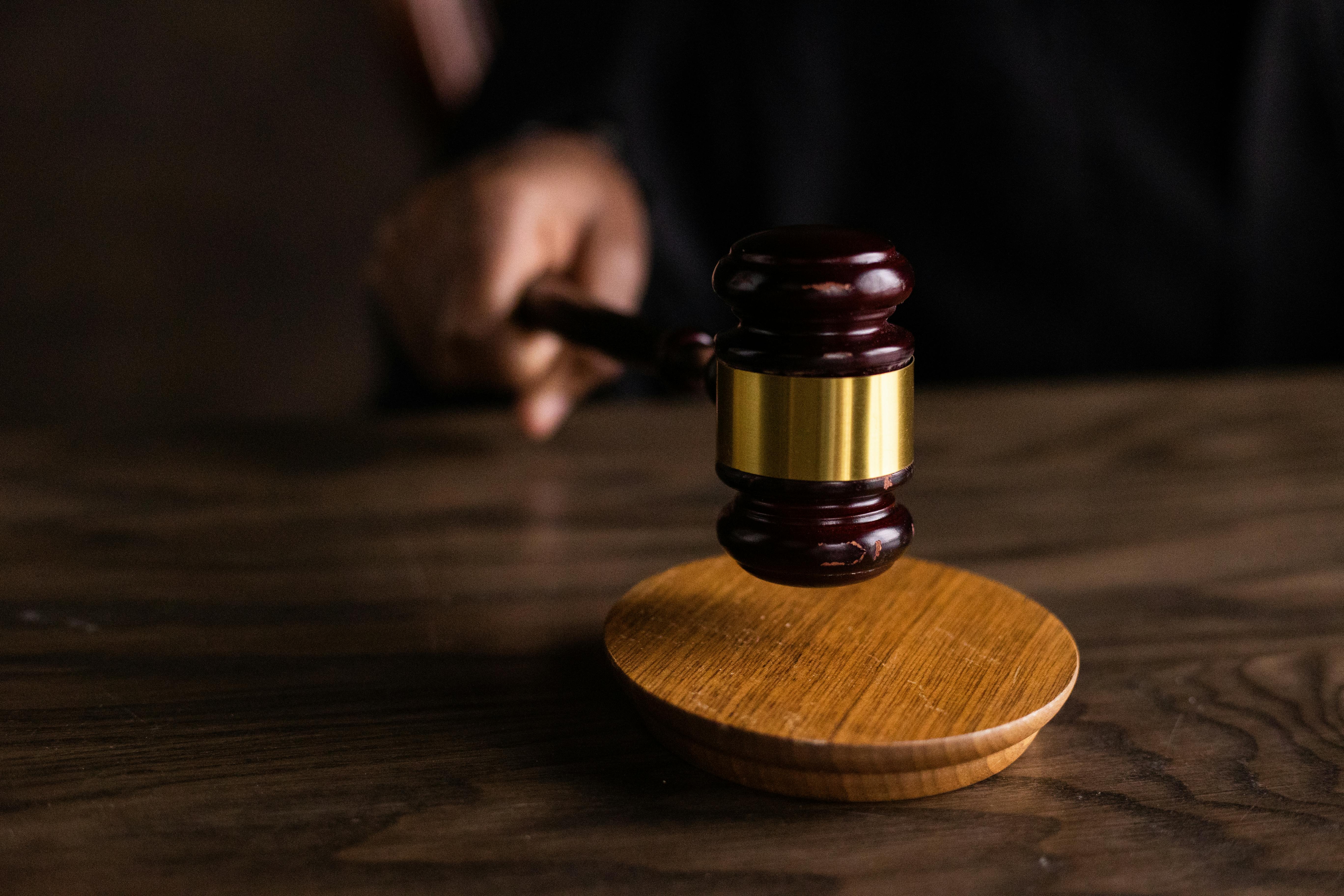
Israeli Judges Urge Prosecutors to Drop Most Serious Bribery Charges Against Prime Minister Benjamin Netanyahu
In a dramatic judicial intervention that could decisively reshape Israeli politics, the three-judge panel presiding over Prime Minister Benjamin Netanyahu’s marathon corruption trial at the Jerusalem District Court has formally urged state prosecutors to drop the most serious bribery charge against him. Presiding Judge Rivka Friedman-Feldman, joined by Judges Moshe Bar-Am and Oded Shaham, summoned Attorney General Gali Baharav-Miara to an extraordinary hearing in late November 2026 to warn that the prosecution’s evidentiary foundation in Case 4000—the centerpiece Bezeq-Walla media-regulation affair—faces considerable legal difficulties and carries a low likelihood of securing a bribery conviction. While the judges’ remarks stop short of a formal acquittal and leave the trial legally open unless the prosecution withdraws charges or negotiates a plea deal, the unprecedented courtroom rebuke represents the most consequential turning point in Netanyahu’s decade-long legal ordeal. Seizing immediately on the bench’s skepticism, Netanyahu delivered a triumphant televised address declaring that the trial had fallen apart and demanding that prosecutors end the proceedings at once. ### Breaking Down the Three Cases: Where the Prosecution Stumbled Netanyahu’s trial, which opened in 2020 following indictments filed in 2019, rests on three separate files that prosecutors long argued illustrated a systemic pattern of trading political power for favorable media coverage and personal enrichment. Yet after years of exhaustive cross-examinations, the Jerusalem bench signaled serious reservations across the indictment. In Case 4000, prosecutors alleged that Netanyahu granted lucrative regulatory favors worth hundreds of millions of dollars to telecommunications giant Bezeq in exchange for sympathetic editorial coverage on its subsidiary news portal, Walla. The judges’ explicit recommendation to drop the bribery count—the only charge carrying a severe mandatory prison risk—reflects defense arguments that aggressive political lobbying of media owners does not meet Israel’s strict statutory threshold for criminal bribery. In Case 2000, involving recorded discussions with Yedioth Ahronoth publisher Arnon Mozes, the panel went further, questioning whether the alleged negotiations constituted a criminal offense at all. Only in Case 1000, concerning hundreds of thousands of shekels in luxury cigars and champagne received from billionaire patrons, did the bench suggest exploring a procedural conclusion or negotiated plea agreement. ### The Dilemma Facing Attorney General Gali Baharav-Miara The court’s intervention places Attorney General Gali Baharav-Miara—already locked in protracted institutional friction with Netanyahu’s governing coalition over judicial oversight—in an acute strategic bind. Defending the integrity of the state’s prosecution team, Baharav-Miara stated that her office would carefully weigh the panel’s observations while noting that the trial can conclude either through a formal judicial verdict or an appropriate legal agreement. If prosecutors stubbornly press forward with the bribery charge despite an explicit warning from the very judges who will write the final verdict, they risk a humiliating courtroom acquittal that would validate Netanyahu’s longstanding accusations of a politically motivated witch hunt. Conversely, dropping Case 4000’s bribery count or offering a lenient plea without moral turpitude—which would allow Netanyahu to remain in public office—would trigger fury among opposition parties and civil society groups who view accountability in the corruption trial as a foundational test of Israeli rule of law. ### Political Fallout Across Israel and the Region Beyond the courtroom walls, the apparent unraveling of the prosecution’s flagship bribery case hands Netanyahu immense political leverage at a turbulent moment for Israeli domestic and regional security. For years, the looming specter of a bribery conviction constrained Netanyahu’s coalition maneuvering and fueled public pressure for his resignation. Freed from the most acute legal peril—even as he still faces intense scrutiny in the Knesset over inquiries into the October 7 security failures—Israel’s longest-serving prime minister now enters the coming year with his political survival significantly fortified, leaving the Attorney General’s next move to determine whether Israel’s most polarizing trial ends in a negotiated settlement or a historic judicial reckoning. ### Sources & Further Reading - [BBC News: Israeli Judges Recommend Dropping Most Serious Charges Against Netanyahu](https://www.bbc.co.uk/news/articles/cxj05mv723r2o) - [The Jerusalem Post: Jerusalem District Court Urges Prosecution to Drop Bribery Charge in Netanyahu Trial](https://www.jpost.com/israel-news/article-916160) - [Saudi Gazette: Israeli Judges Recommend Dropping Serious Corruption Charges Against Netanyahu](https://saudigazette.com.sa/article/666551/world/israeli-judges-recommend-dropping-serious-corruption-charges-against-netanyahu) ~WorldNews ~Israel ~Netanyahu ~MiddleEast ~Politics